
The Life Cycle of Sea Turtles
The life of a sea turtle starts when a female lays its eggs on a nesting beach, usually in the tropics. From six weeks to two months later (depending on the species), a tiny hatchling makes its way to the surface of the sand and heads to the water, dodging every predator imaginable.
What Is The Sea Turtle Life Cycle?
Baby turtles (or hatchlings) start out as eggs that are laid in nests on beaches around the world. Once ready to hatch, they break out of the egg with an egg tooth (called a “caruncle”) and move slowly up the sand until they get to the surface and then head to the water.
As young (or juvenile) turtles, they head out to sea. From there, in many cases, we don’t know where they go (that’s why we call them “the lost years.”) Some turtles born on the US East Coast head out to an area called the Sargasso Sea, a large area with seaweed known as sargassum, where they feed and grow.
Once they are fully grown, they head back to where they were born to mate. Adult females will mate with multiple males and then when ready, the climb up onto the nesting beach to lay their eggs, starting the cycle again.
Sea Turtle Nesting
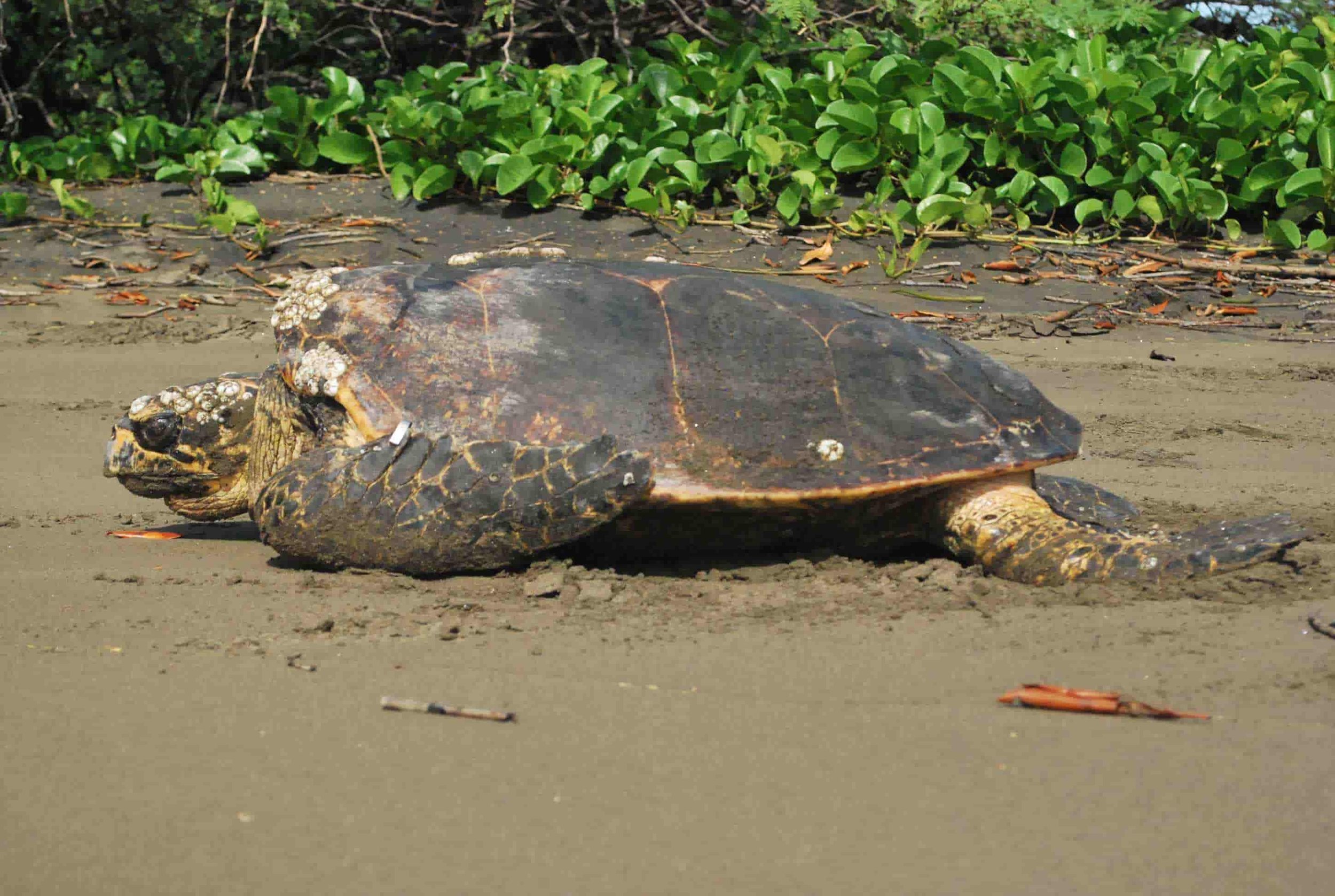
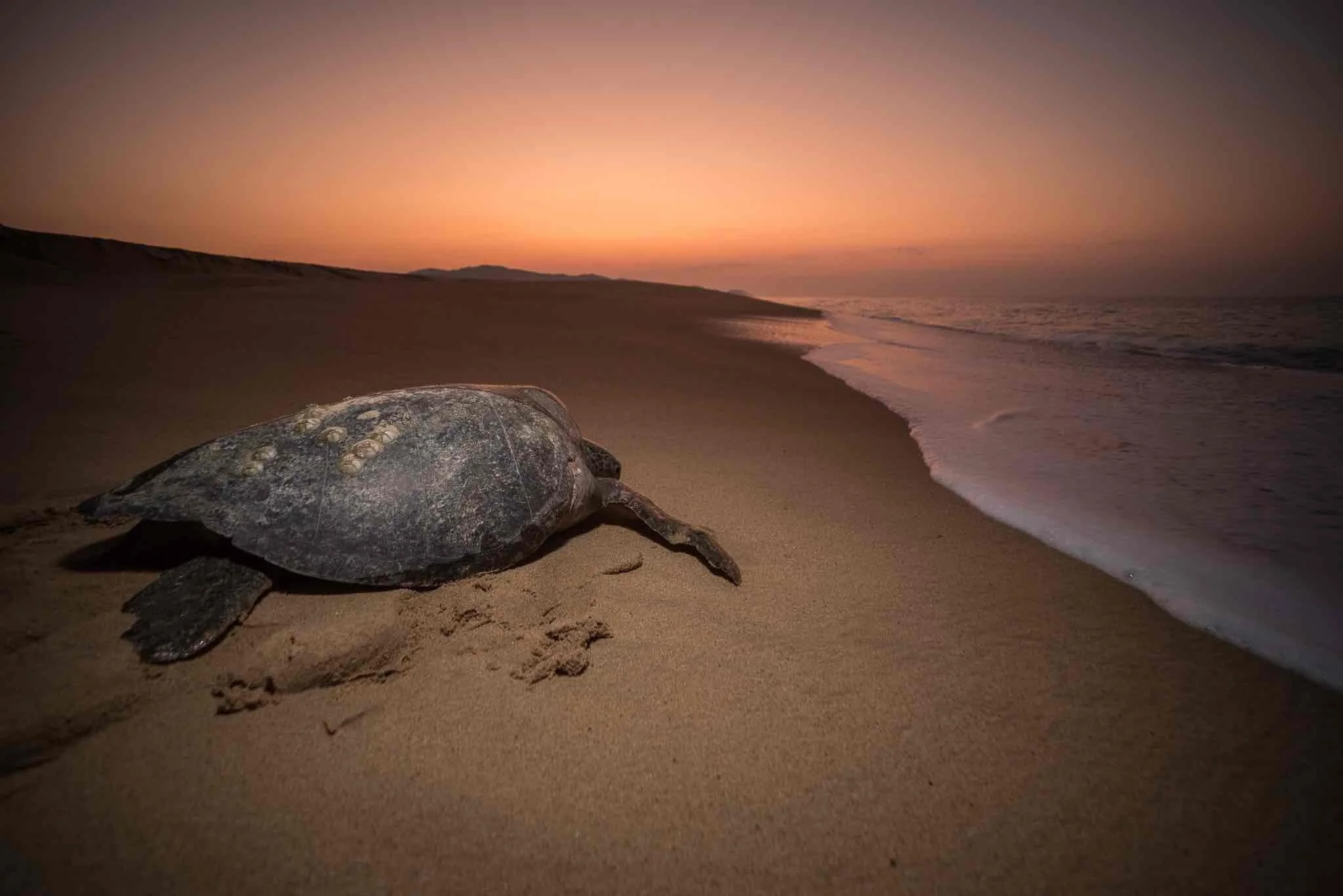
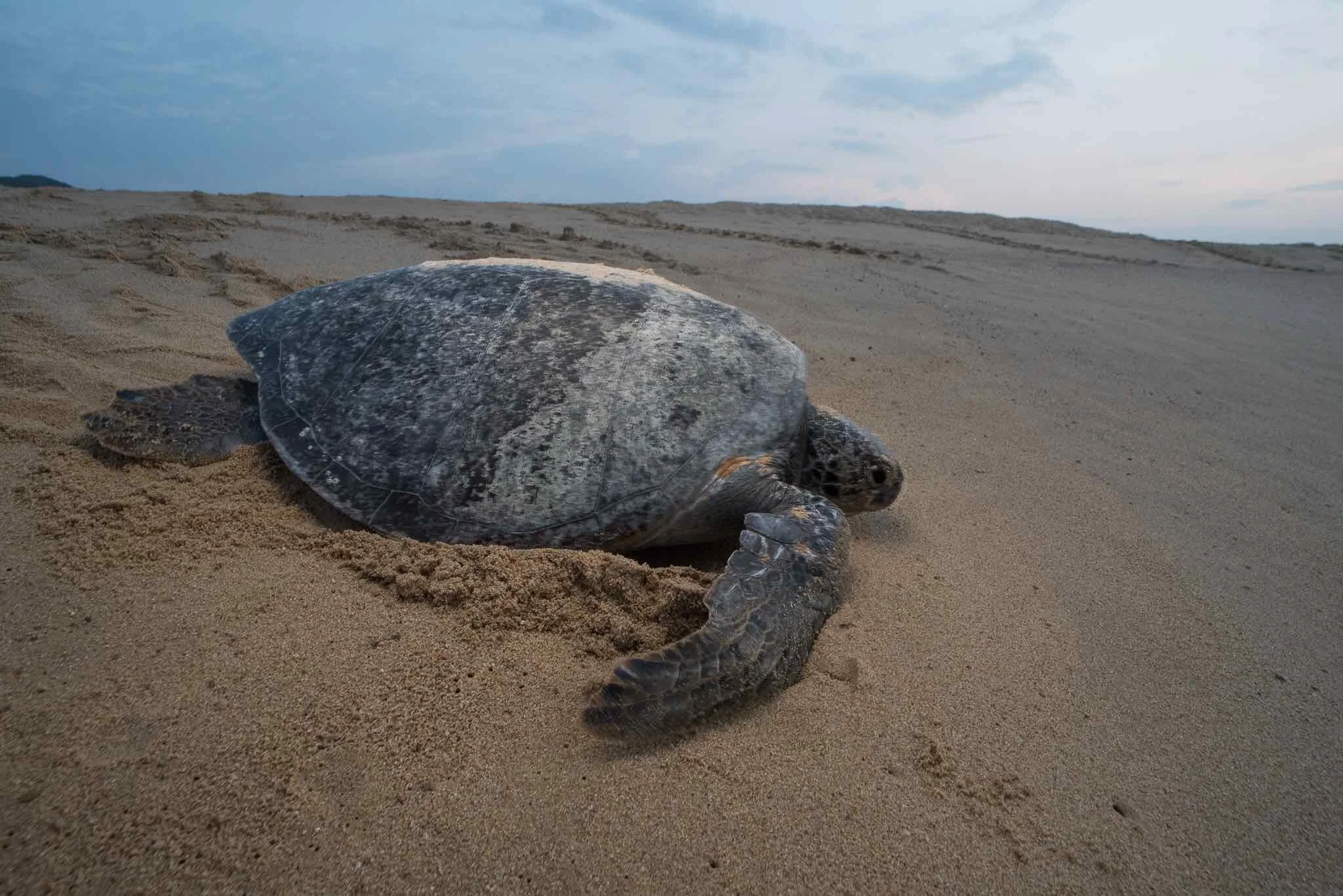
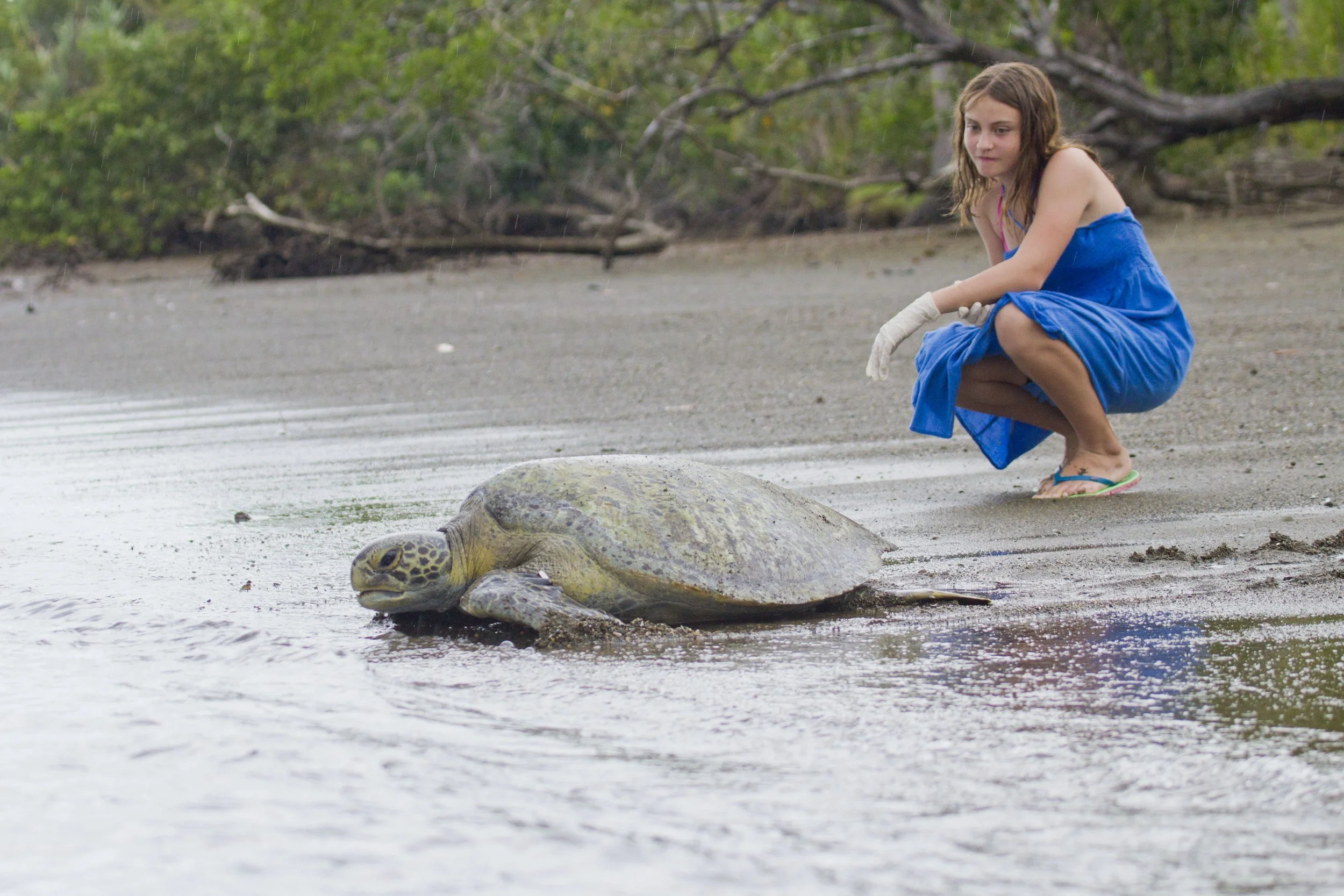
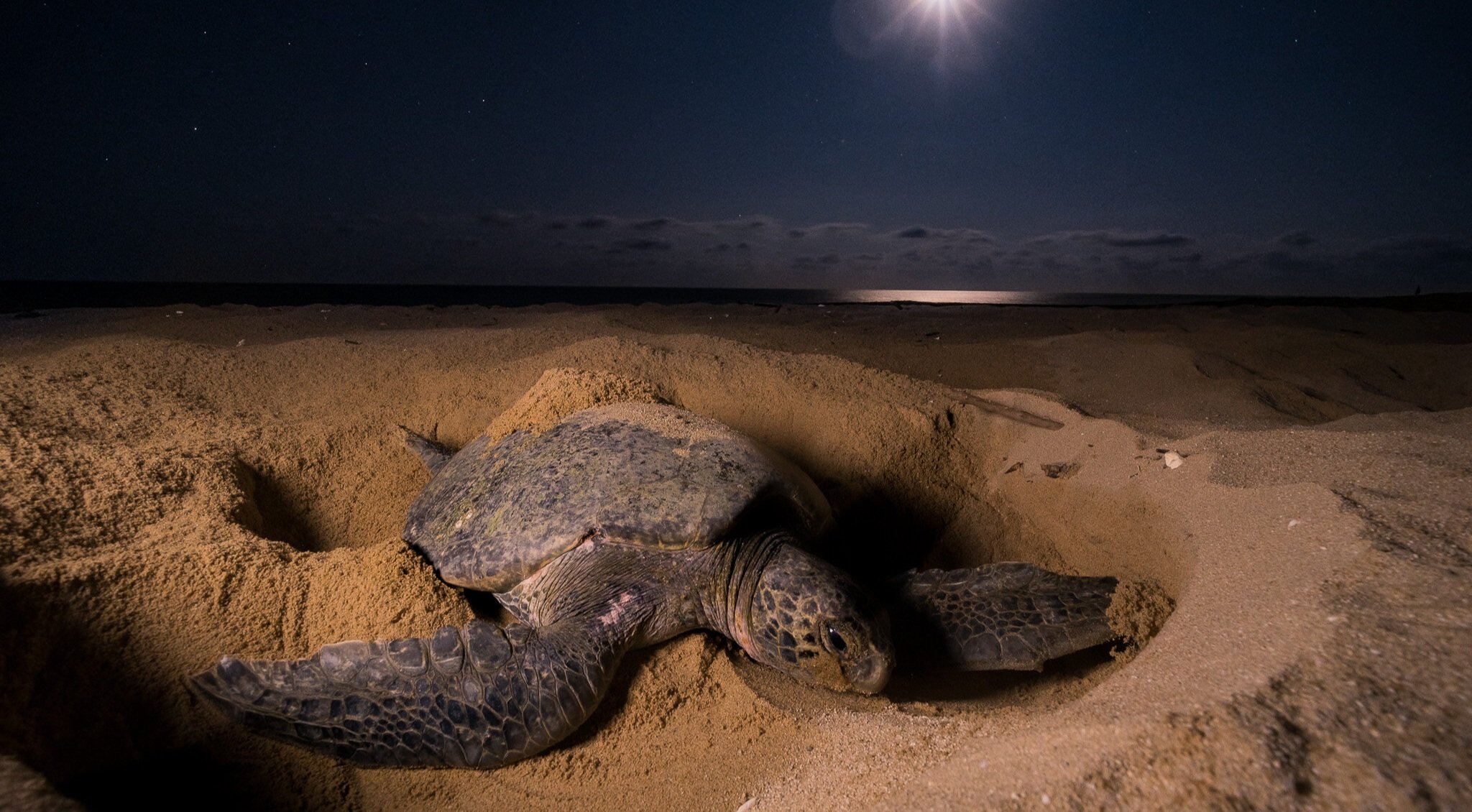
Sea turtles around the world nest on beaches in warmer places (tropical and sub-tropical beaches.) The female goes ashore, digs a body pit then and a nest (or egg chamber), lays the eggs, and finally covers up the nest. After that, they will camouflage the nest, covering a big area with sand, to hide the nest, and then head to the water. About six or seven weeks later, the hatchlings will emerge and then head to the water.
"The Lost Years"
From the time the hatchlings take their first swim until they return to coastal waters to forage as juveniles may be as long as a decade. This period of time is often referred to as the "lost years" since following sea turtles movements during this phase is difficult and their whereabouts are often unknown.
Following the "lost years", when they have grown to approximately the size of a dinner plate, their pelagic (open ocean) phase comes to an end and they return to coastal waters where they forage and continue to mature. During this time, these reptiles are highly mobile, foraging over large areas of ocean.
Adulthood
Ten to fifty years after hatching (depending on the species), adult sea turtles reach sexual maturity and are able to mate. Once they reach sexual maturity they will migrate to beaches around the world to nest. Only females will come ashore to lay eggs, generally in the area where they were born. Most species will nest several times during a nesting season every 2-4 years over the course of their lifetime.
It is not known exactly how long sea turtles live in the wild, but scientists think their life span may be as long as a century. Unfortunately though, turtles face a multitude of threats related to human activities. For more information about the challenges they face, see our pages about threats to sea turtles.

Sea Turtle Nesting Videos
WHAT IS SEE TURTLES?
We're a nonprofit organization that protects sea turtles through conservation travel and volunteer tours, our Billion Baby Turtles, Too Rare To Wear, & Sea Turtles & Plastic programs, our education programs, and by promoting inclusivity in the sea turtle community. Our award-winning programs help save sea turtle hatchlings on important nesting beaches around the world, work with the tourism industry to end the turtleshell trade, and get plastic out of sea turtle habitats. Learn more about our organization.
Photo credits: Paula von Weller, Brad Nahill/SEE Turtles, Neil Ever Osborne, Hal Brindley