Baja California Sur Sea Turtles
Five species of sea turtle are found along Mexico's Baja California peninsula; a region that provides both nesting habitat and vital feeding grounds for turtles from as far away as Japan and Indonesia. We work with the Grupo Tortuguero and RED Sustainable Travel to promote ecotourism as an economic alternative to fishing and poaching in several coastal communities.
Check out our videos and slideshows.
Sea Turtle Species
Olive Ridley: Nest on beaches along the southern tip including Todos Santos.
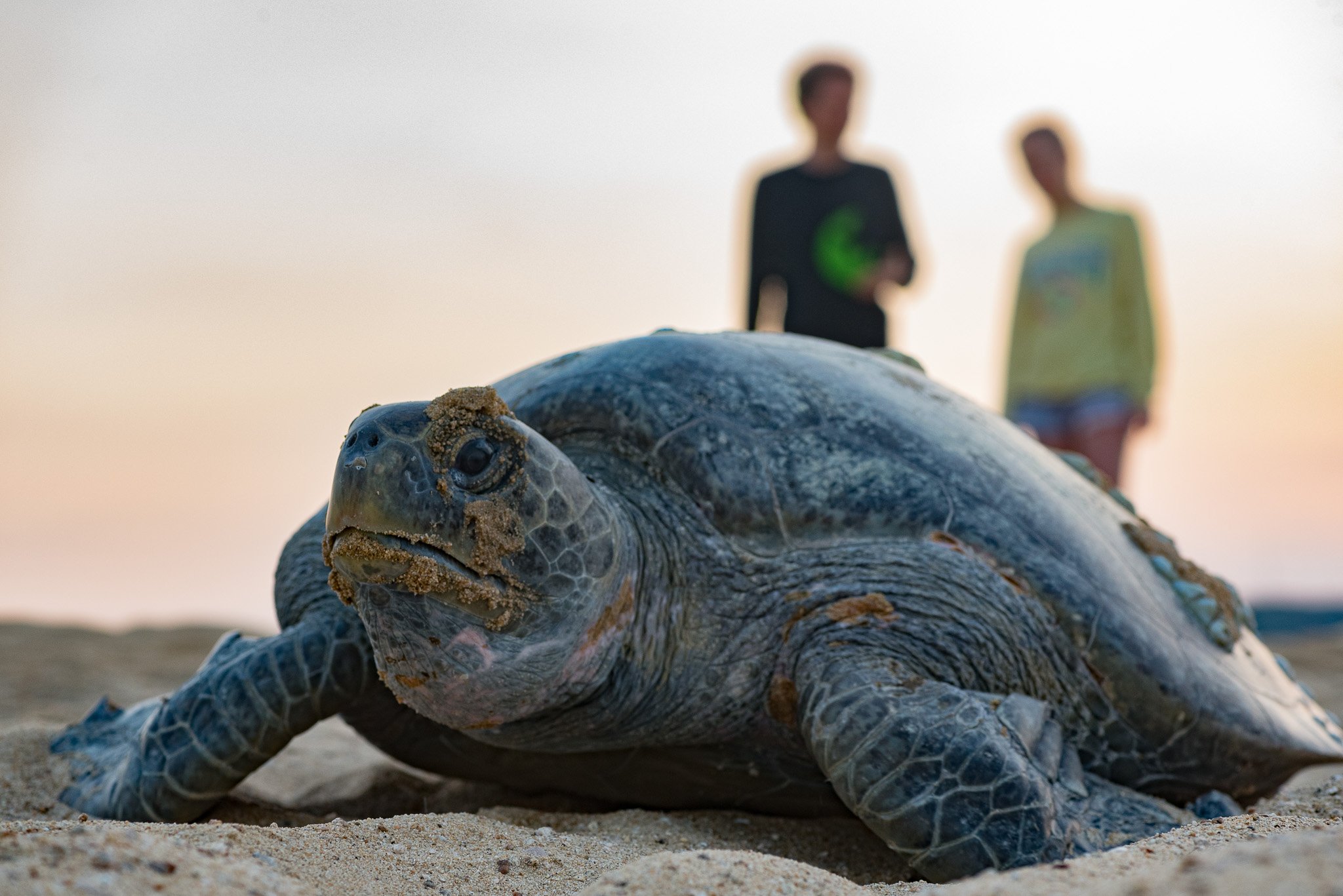
Green: Forage in bays and coastal areas across the region including Magdalena Bay. They are called black turtles in this area for their darker shells.
Loggerhead: Forage in bays and coastal areas, especially concentrated from Laguna San Ignacio to Magdalena Bay.
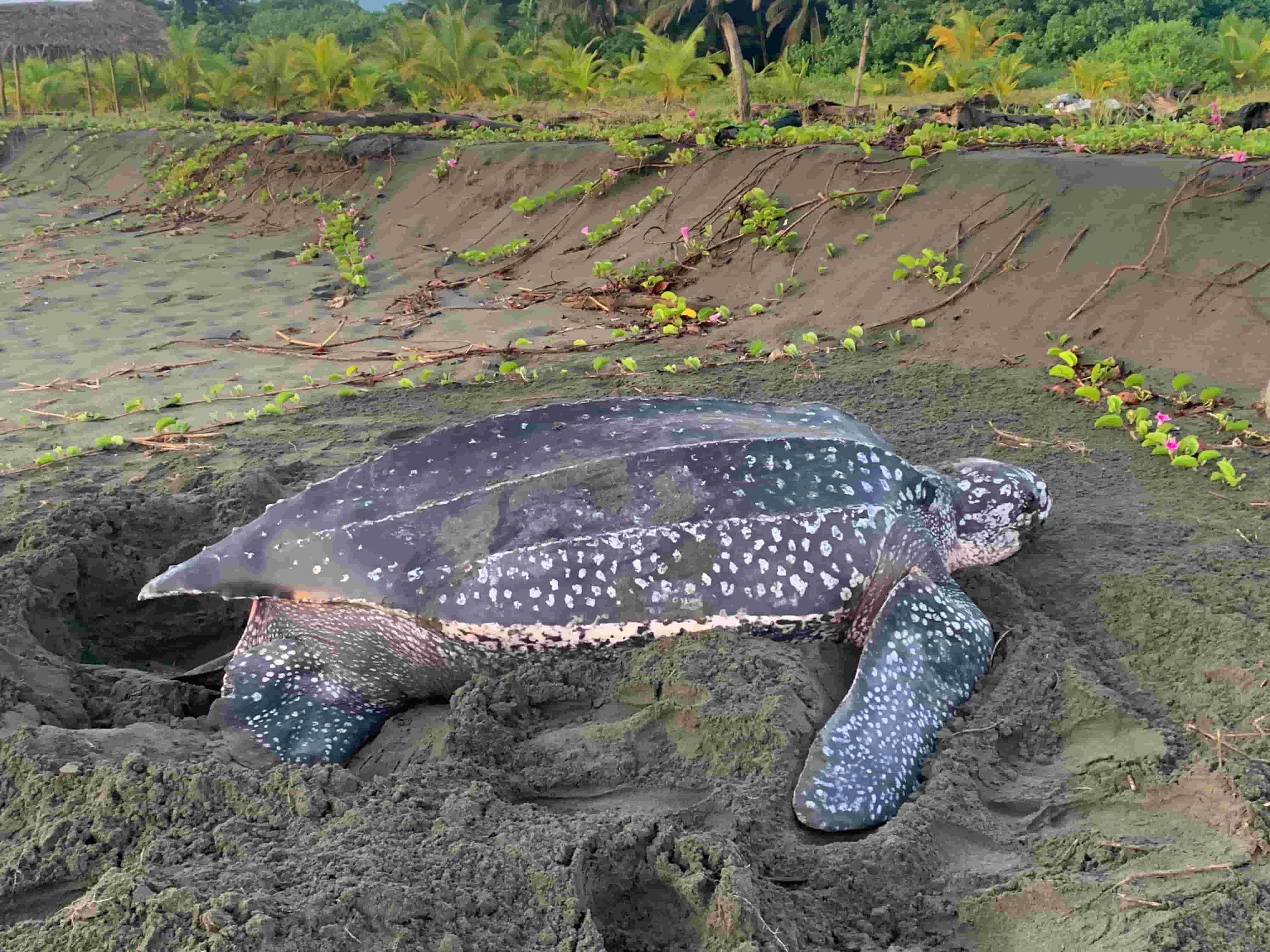
Leatherback: Occasionally nest along the southern tip of the peninsula.
Hawksbill: A few individuals live in the coral reef of Cabo Pulmo Marine Park.
Go SEE Turtles!
Whales & Turtles: Price $1,550 / Feb & March 2014
Baja Kayaking & Turtle Research: Price $1,250 / Oct to Jan & March to April
Want something long-term? Volunteer!
Learn about School Field Trips.
Already planning a vacation here and want free advice on seeing turtles? Contact Us!
How Conservation Tourism Helps
- Tour guiding provides an alternative to fishing, which accidentally catches thousands of turtles every year in the region.
- Building small-scale tourism companies here will build support for efforts to protect important habitat from unsustainable coastal development.
- Income from visits will help to fund important research and conservation efforts.
Our Sea Turtle Partners
The genesis of sea turtle conservation in the region came in 1998 with Grupo Tortuguero, a grassroots network founded by a group of fishermen from local communities working to individually protect their turtle populations. Now more than 500 strong, the network is made up of students, researchers, housewives, and many others.
We also work with a community-based business, RED Sustainable Travel, which works with members of the Grupo Tortuguero to develop turtle-friendly alternatives to fishing and poaching.