
Costa Rica Leatherbacks
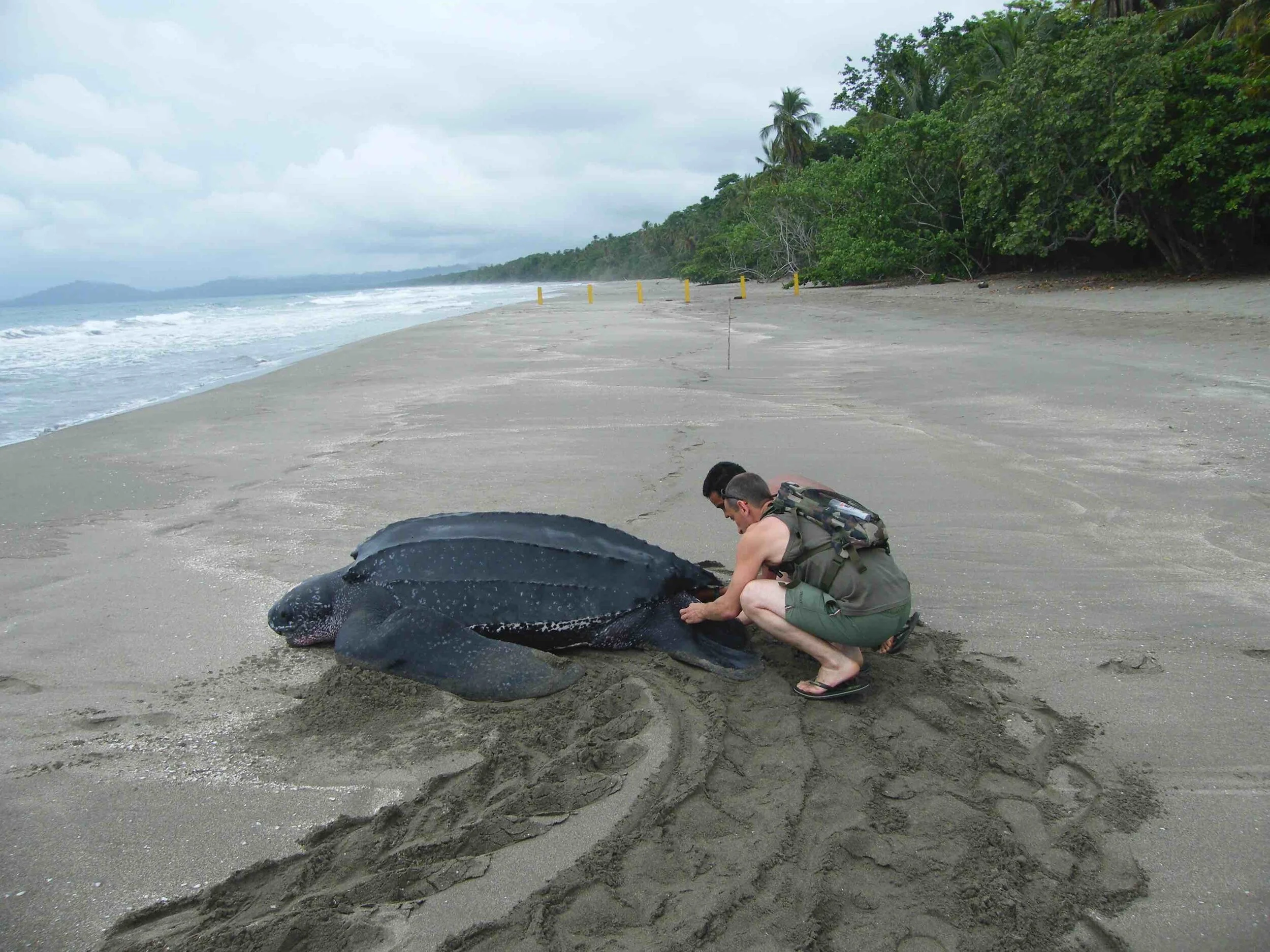
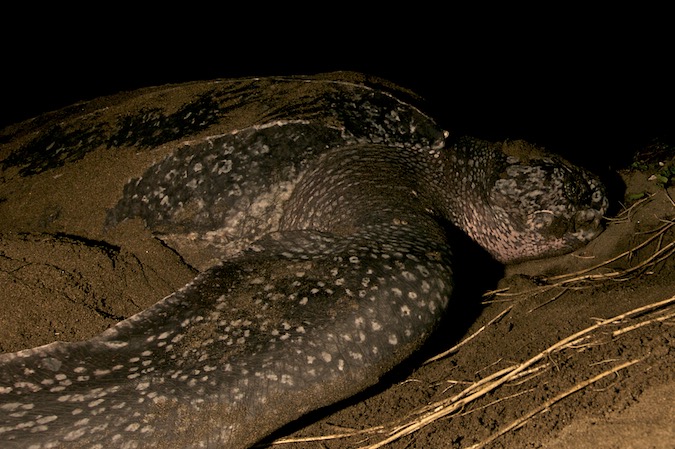
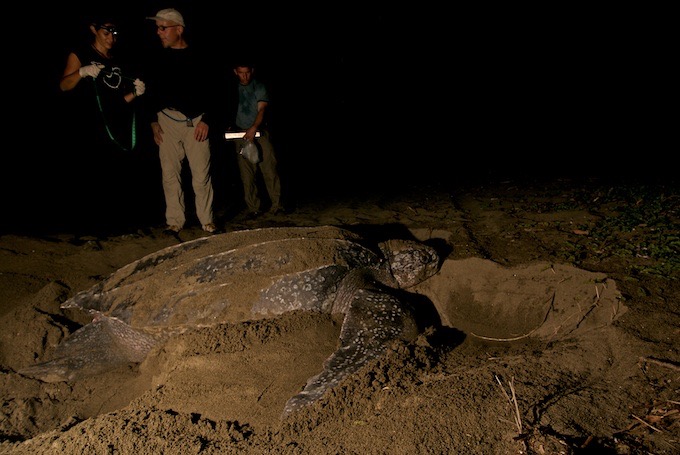
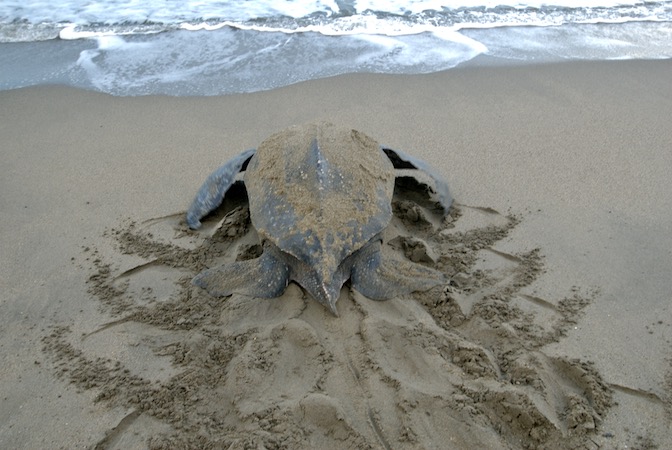
The leatherback is one of nature’s truly unique creatures. Their immense size boggles the mind; these turtles can average more than 6 feet long and 800 lbs. Their softer shell allows them to dive deeper than any other sea turtle and their size and dark color allows them to inhabit cold waters.
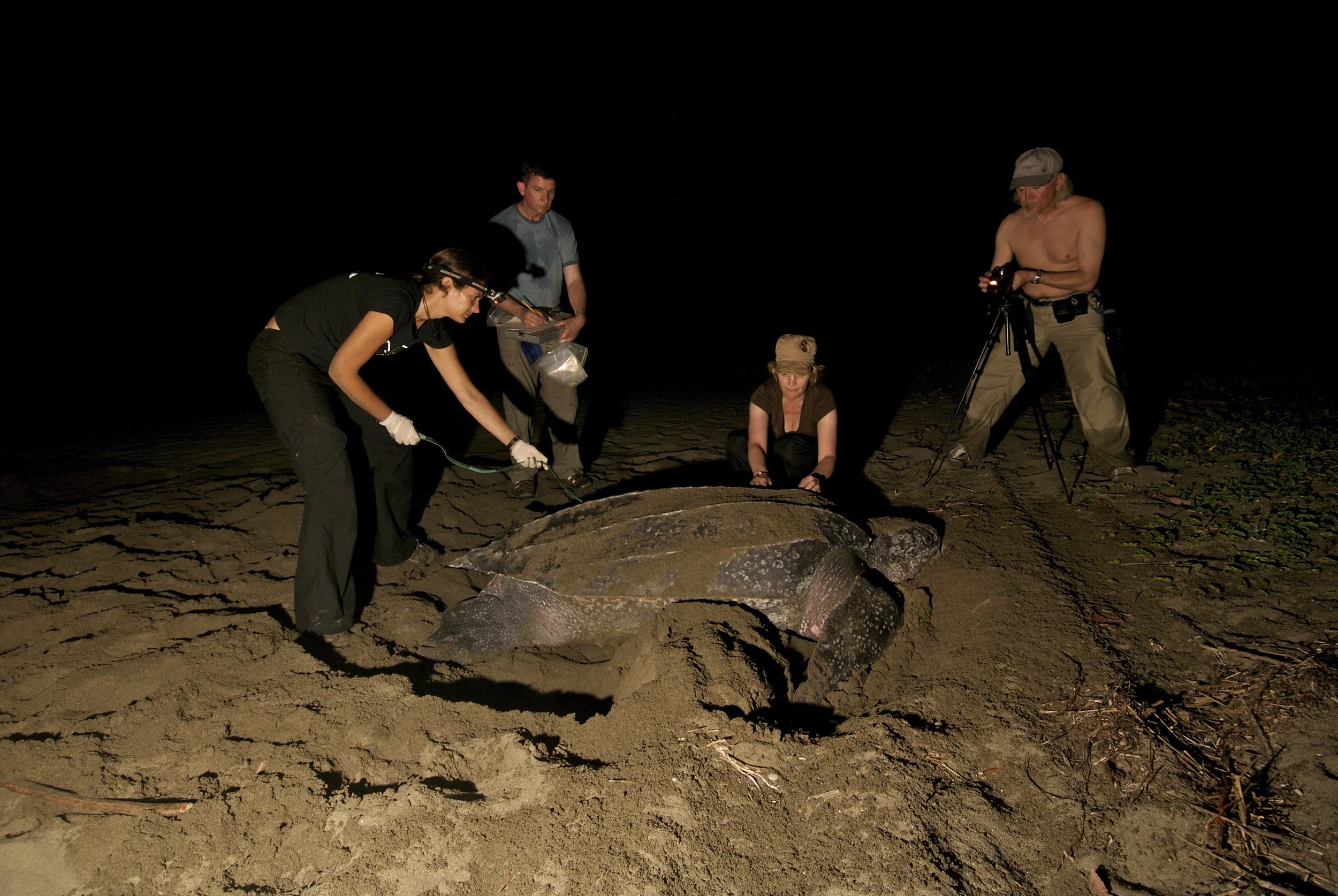
Spend 4 nights working with our local partner Save The Turtles Of Parismina to study and protect leatherbacks along the northern Caribbean coast. The work includes walking the nesting beach, helping to measure the turtles, collecting eggs and moving them to hatcheries, and working with hatchlings (if present).
During the day, you will participate in activities with the community including handicraft and cooking classes, a beach cleanup, and a boat tour of the canals.
TRIP HIGHLIGHTS
Spend 4 nights walking a leatherback turtle nesting beach with local researchers and help participate in their research
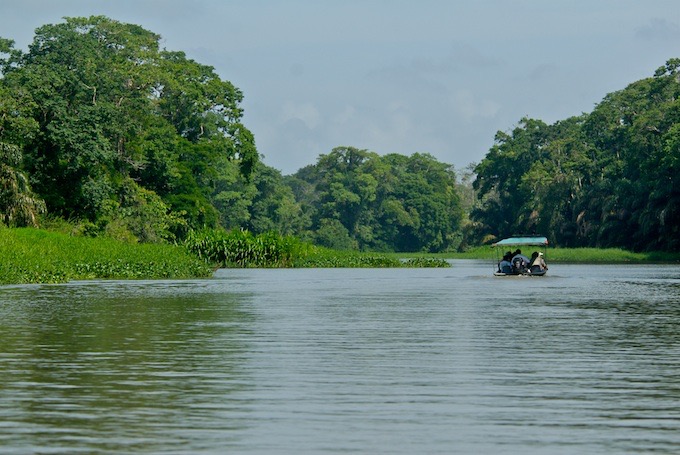
Explore the rainforest by boat and foot, looking for wildlife including sloths, monkeys, frogs, and many species of birds
Participate in a handicraft workshop and paint your own gourd
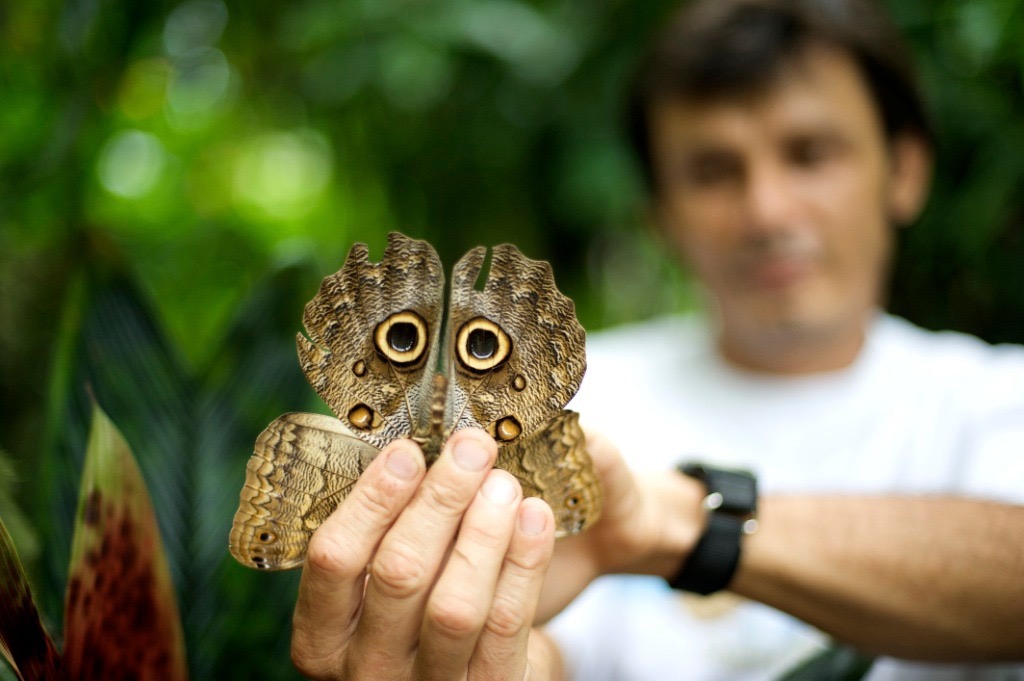
Visit a unique butterfly farm to see many colorful species
Join a beach cleanup and dancing class with the local community
2027 Date: May 1 - 7 (7 spots left)
Price: $2,195 pp (double occupancy)
*$100 discount through October (discount added upon registration).
Private trips for groups of 2 or more are available March to June. Pricingdepends on group size. Contact us for a price for your group.
Includes: In-country transport, meals, lodging, activities, guides, and a donation to turtle conservation.
Excludes: Airfare to Costa Rica, personal items, travel insurance (required), and tips for the guide and driver (tipping recommendation is $100 - $130 per person).
*Please note: Registering online also now includes an additional 2.9% credit card fee or ACH at no charge plus a 1% service fee for our booking platform. To avoid those charges, you can pay by check, contact us at right if you prefer to pay that way.
Contact us to:
Get private group pricing
Ask a question
Pay by check




Why Travel With Us?
All profits support conservation efforts
Work directly with local researchers
Unique experiences
Personalized service
ITINERARY
DAY 1 - ARRIVE TO COSTA RICA
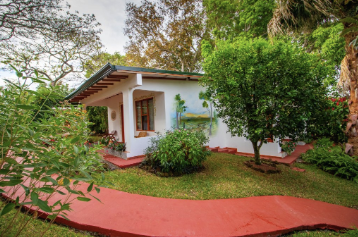
Start your leatherback adventure by arriving to San Jose International Airport (SJO) anytime on the first scheduled day. Our shuttle picks you up from the airport and take you to La Rosa del America, a comfortable hotel outside the city. Get a good night’s sleep tonight, as the adventure starts early the next day. (Dinner the first night is not included)
DAY 2 - LEATHERBACK RESEARCH
Today you will head out to the Caribbean coast to the coastal town of Parismina. First, wake up with a delicious Costa Rica breakfast buffet of eggs, gallo pinto (their famous breakfast of rice and beans), fresh tropical fruit, delicious coffee, and more. After breakfast, board the private bus for a 4 hour ride to the Caribbean coast. You’ll pass through the country’s largest national park and then descend to the Caribbean lowlands.
The bus will drop your group at a small dock along the Tortuguero canals, where a boat will meet you to take you to Parismina. The boat ride passes through rainforest, so keep your eyes out for monkeys, sloths, toucans, and more along the way.
Once you arrive, settle into your cabin and take a walk around town to get to know this unique coastal community. After dinner, the local researchers at Save the Turtles of Parismina will give a presentation on sea turtles and the more than a decade of work that has gone into protecting this nesting beach.
After dinner, you will head out for your first night of patrolling, accompanied by researchers who will guide you along the beach, spot the turtles, and help with the data collection. Overnight in a local hotel (4 nights). (B, L, D)
DAY 3: TURTLE RESEARCH & BOAT TOUR
Today, after breakfast at your hotel, we will take a boat ride on the rainforest canals to look for wildlife including birds, sloths, monkeys, & caiman. Following lunch and a siesta, we will organize a beach cleanup activity to make sure the beach is clear for nesting turtles and hatchlings. For the next three nights, you will spend four hours each night walking the nesting beach in search of the giant leatherbacks (generally 8 pm to midnight).
Tasks involved in the research include measuring the turtles’ length and width (no small task with a giant turtle!), moving the eggs to a hatchery (where they are protected until hatching), and observing the condition of the turtles, looking for scars or injuries. You may have a chance to work with hatchlings (this is not guaranteed), helping to do some basic research (measuring and weighing) and releasing them to the water. (BLD)
DAY 4 - LOCAL ACTIVITIES & TURTLE PATROL
Today we will get to know the town and people of Parismina. First, after breakfast, we will have a cooking class to learn traditional dishes of the Caribbean of Costa Rica including empanadas, plantains, and other dishes from local community members. You can eat your final product!
After lunch, we will organize a handicraft market where you can see and purchase souvenirs from local artisans and paint a gourd to take home with you. This evening will be another night of turtle patrols from 8 pm to midnight. (BLD)
DAY 5 - LOCAL ACTIVITIES & TURTLE PATROL
Today will be more fun local activities. After breakfast, we will participate in a beach cleanup to help clear the beach of plastic debris, making it safer for hatchlings, momma turtles, and other wildlife. In the afternoon, we will have an optional class to learn how to dance salsa, merengue, and calypso from local community members (BLD)
DAY 6 - CENTRAL VALLEY
This morning after breakfast, you will catch the boat back to meet your bus. Along the way back to San Jose, you will visit Jardin Pierella, a unique butterfly farm, to learn about these fascinating insects and other wildlife. You will see hundreds of butterflies, poison dart frogs, giant walking sticks, and likely sloths and other wildlife. The wonderful family who runs this farm will prepare a delicious traditional lunch. After a final group dinner on the town, head to bed early to be awake in time to go to the airport for your flight the next day. Overnight at La Rosa del America. (BLD)
DAY 7 - DEPARTURE
Return home with a new appreciation for the hard work of conservation and to share your experiences or extend your stay and explore other parts of this beautiful country. You will be taken to the airport in time to catch your flight. (B)
Animal List:
Probably Will SEE: Leatherback sea turtles (nesting females - peak is mid-April to mid-June), , sloths, poison dart and red-eyed tree frogs, several species of butterflies, & many species of birds (shorebirds & tropical birds)
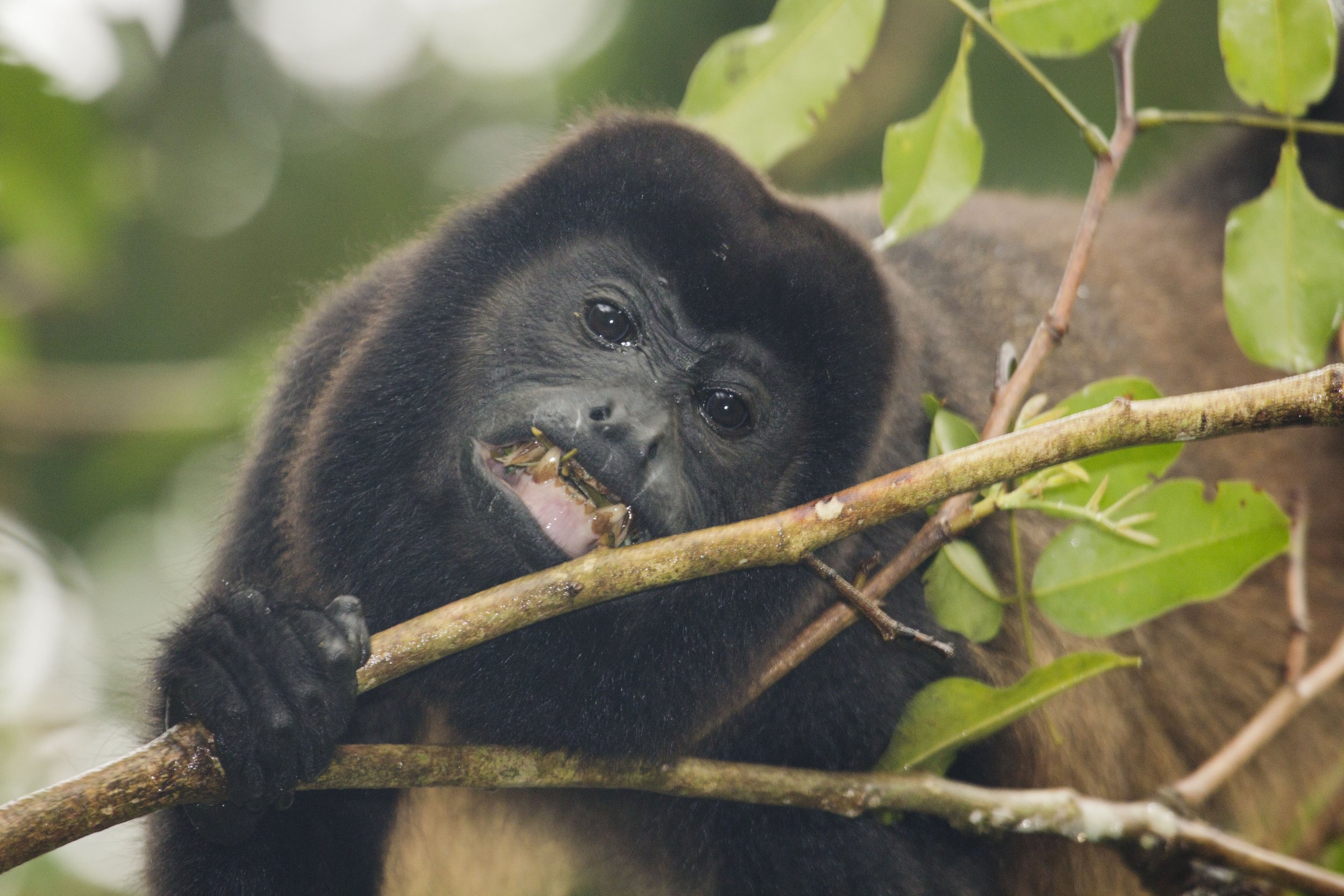
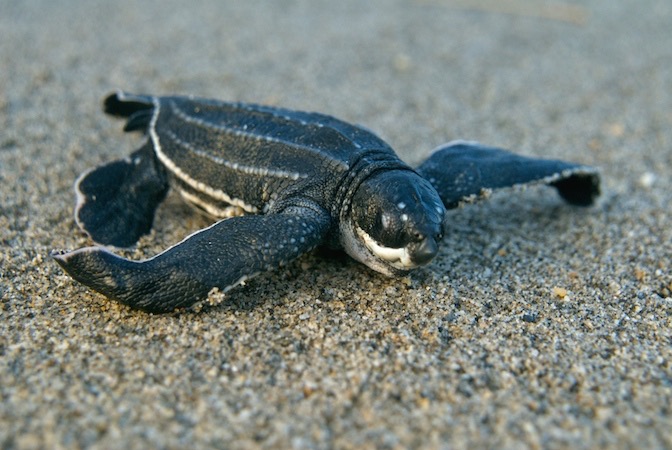
May SEE: Howler monkeys, leatherback hatchlings (mid-May and on), caiman, basilisk lizard (aka Jesus Christ lizard)
Chance to SEE: Green turtles (nesting females), crocodiles


Testimonial
“This trip is full of everything you could ask for. Not only is it educational in all the best ways it also is filled with forever memorable moments. I am so incredibly happy that I chose to go through this trip because it has created a passion in me to continue protecting our natural world.”


Trip Notes:
Private dates available for groups of 2 or more March through June and the itinerary can be customized to fit your group's needs. Pricing depends on group size.
We need at least 8 travelers total for the listed dates to confirm the trip.
Single supplements if you want a private room or we are not able to find a roommate of the same gender is $350.
Minimum recommended age is 12 years old, under 18 needs to be accompanied by an adult.
Discounts Available: $50 off for kids under 18 years and $40 for paying by check.
* Please note: We give 100% refunds on any trips that we need to cancel and our cancellation fees (when travelers cancel) can be used on a future trip, no expiration or penalties, except for cancellations made within 60 days of travel. See our full terms and conditions.
Is This Trip Right For Me?
Costa Rica is a safe and beautiful country that receives more than 1 million international tourists annually. The accommodations are comfortable with air conditioning and private bathrooms in a small community. This is an active trip that requires a level of physical fitness and an ability to manage sometimes challenging conditions including weather and heat, bugs, and a schedule that can affect sleeping patterns. Plan to spend time on boats on flat water (not on the ocean) and walking several miles on soft sand patrolling the beach. This trip is not suitable for people with mobility challenges. Dietary preferences can be accommodated.
OTHER TURTLE CONSERVATION TRIPS


Photo credits: Neil Ever Osborne, Hal Brindley