Costa Rica Educator Expedition
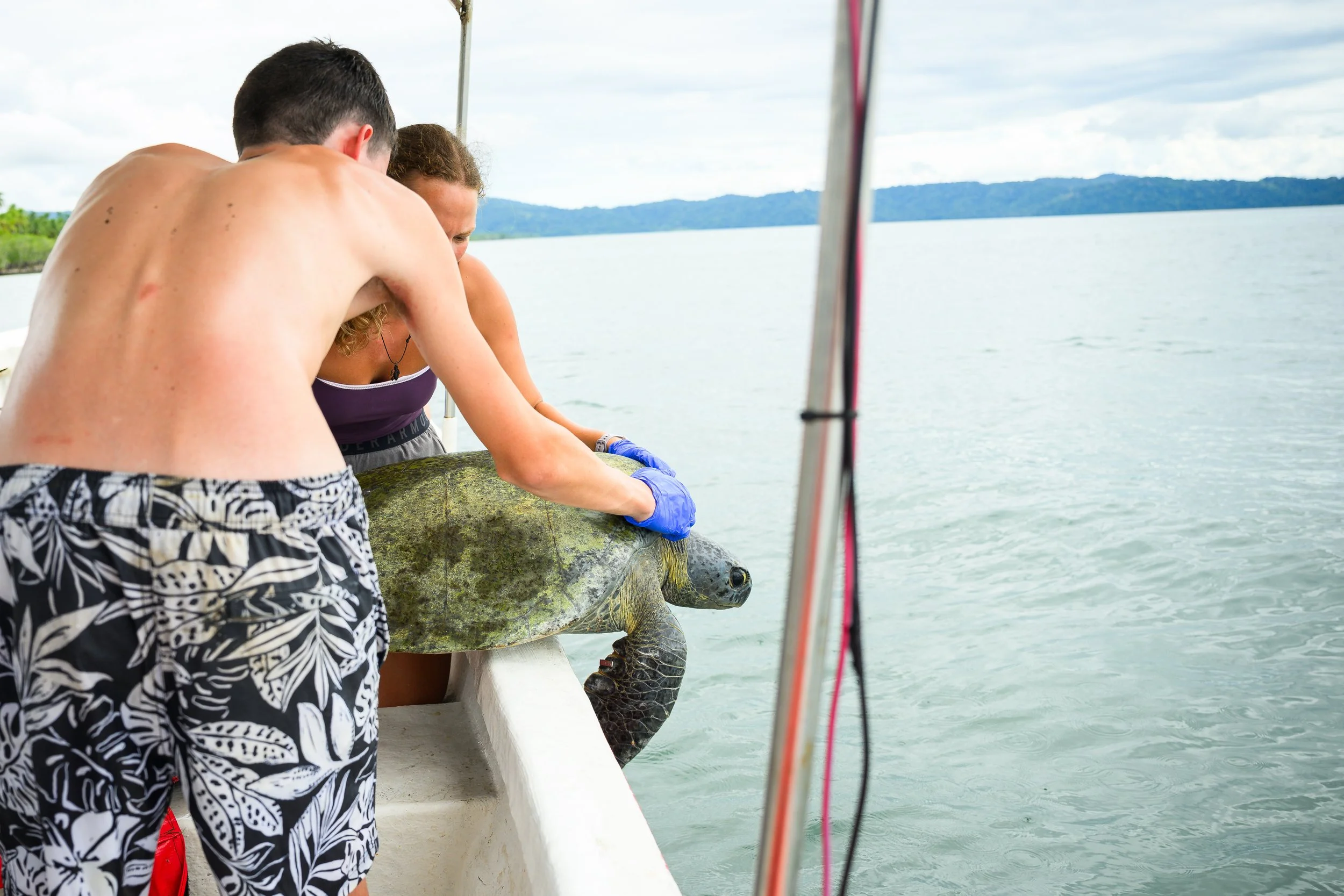
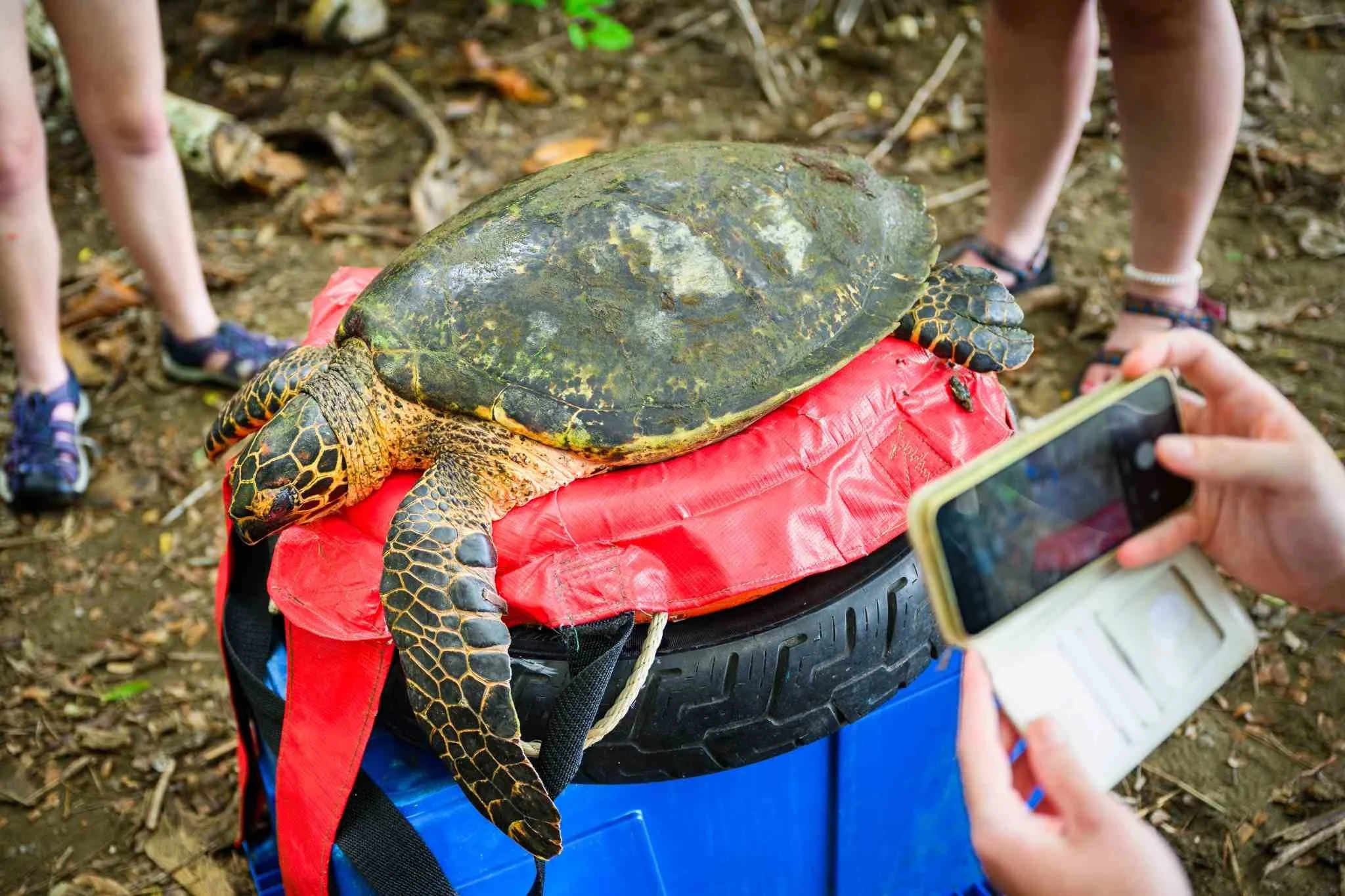
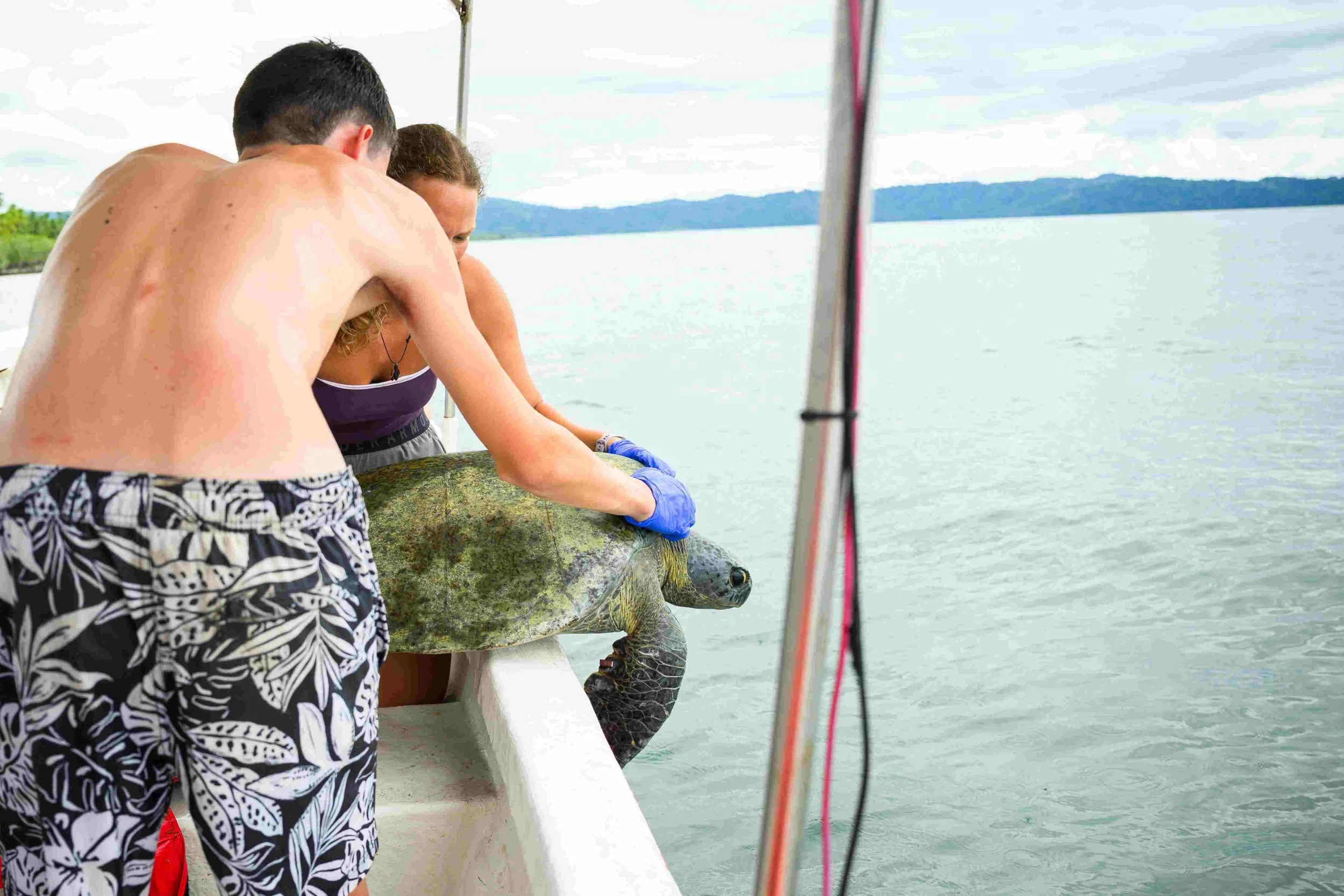
Educators and teachers are invited to join a reduced-price trip to work with sea turtles and much more. On this unique journey, you will work with researchers to catch, study, and release green and hawksbill sea turtles, participate in mangrove restoration, and visit a local organic farm.
Costa Rica’s Osa Peninsula is a truly spectacular place. These waters are home to 2 species of sea turtles, plus dolphins, humpback whales, and more. This trip is led by our Conservation Travel Director Gail Lemiec along with a bilingual local guide.
Note: *This course is open to both formal and non-formal educators and administrators currently working in a professional education setting. Participants will be expected to prepare work before the course, engage in and lead presentations while in Costa Rica, and create a project to bring back to their audiences. Participants in this course are eligible to earn 100 CEU credit hours.
Trip Highlights:
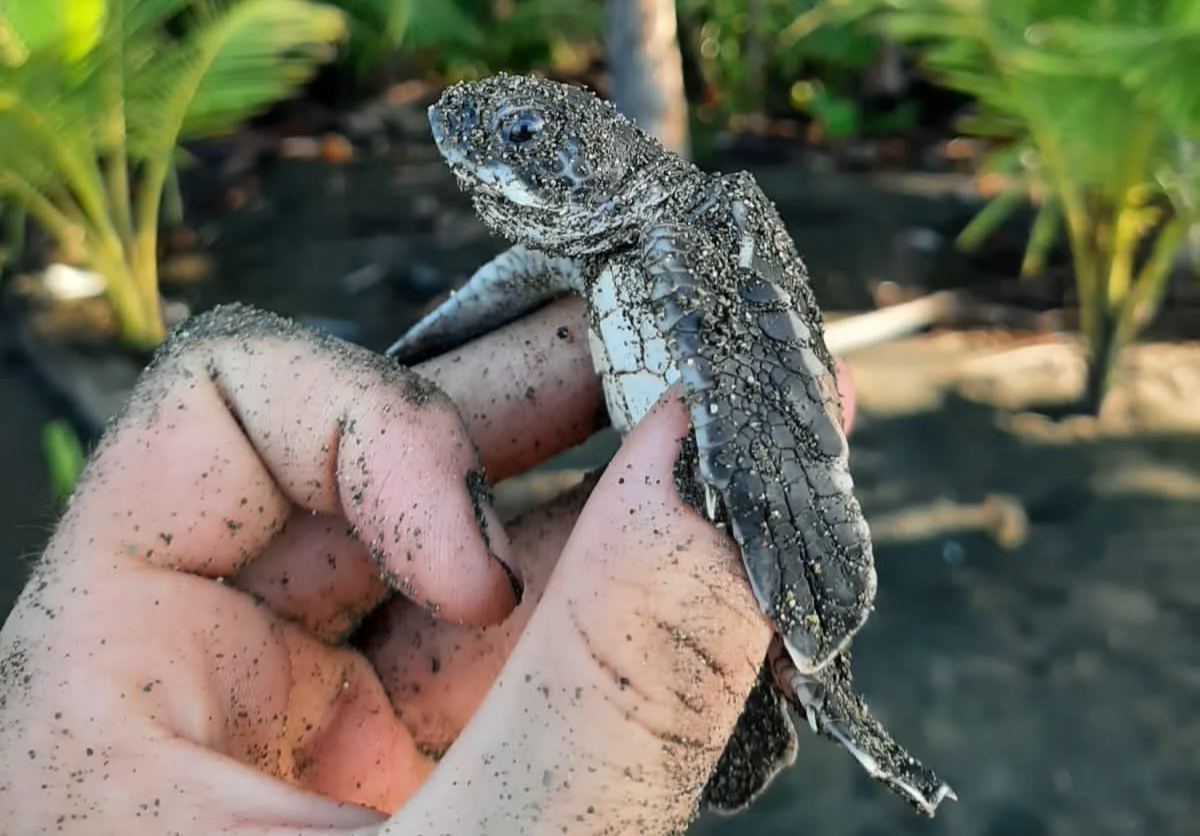
Participate in sea turtle research with local biologists at two different sites
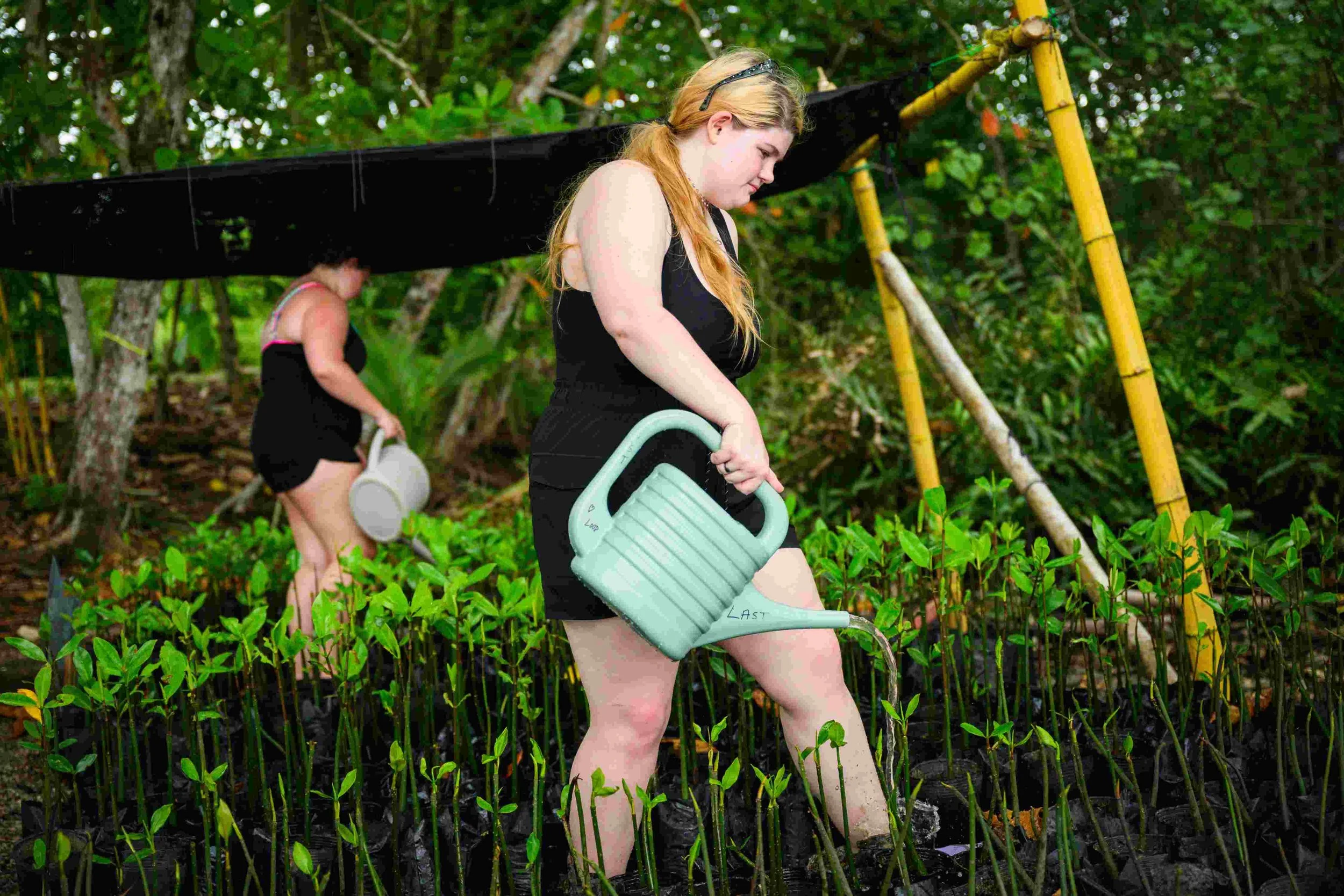
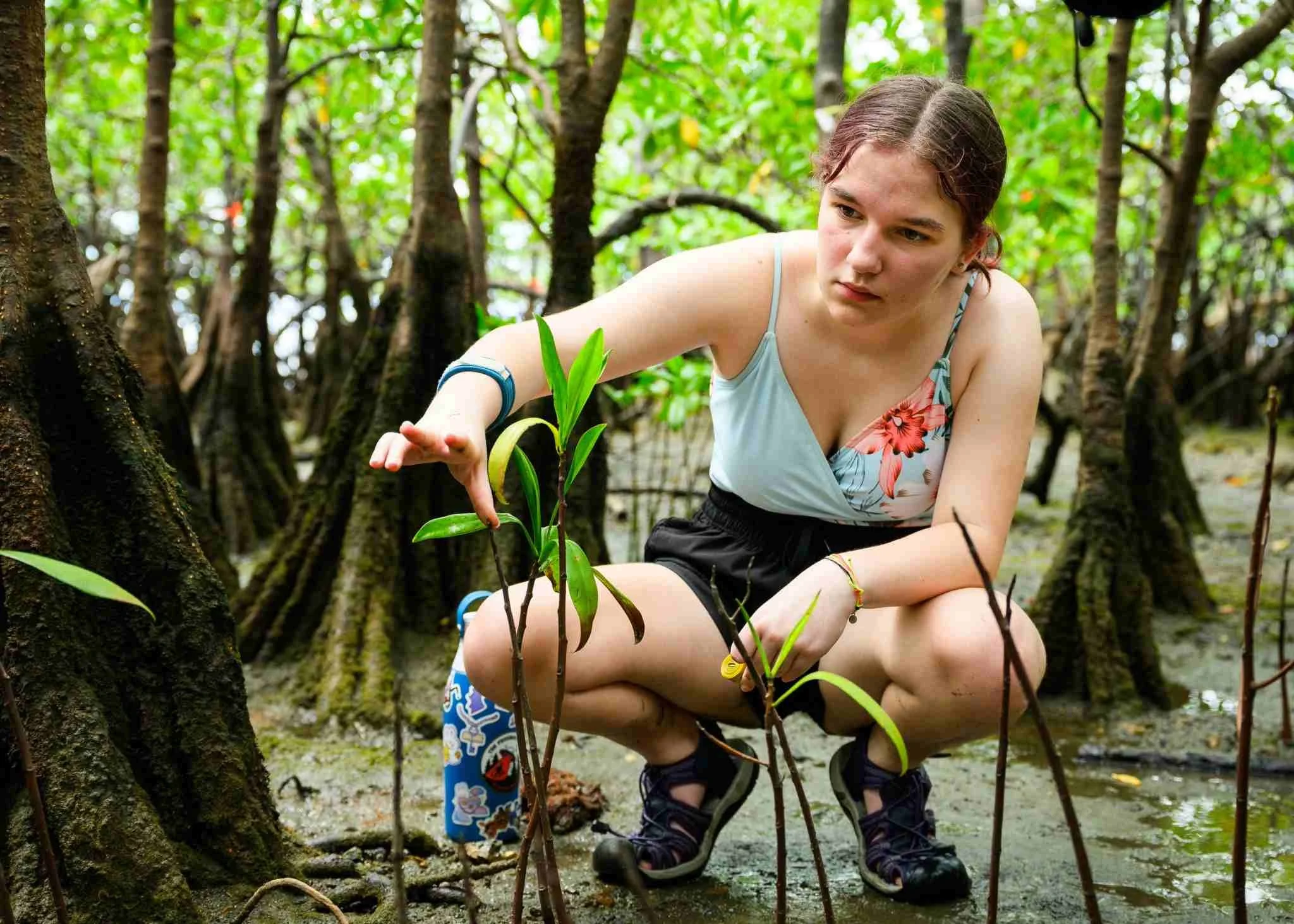
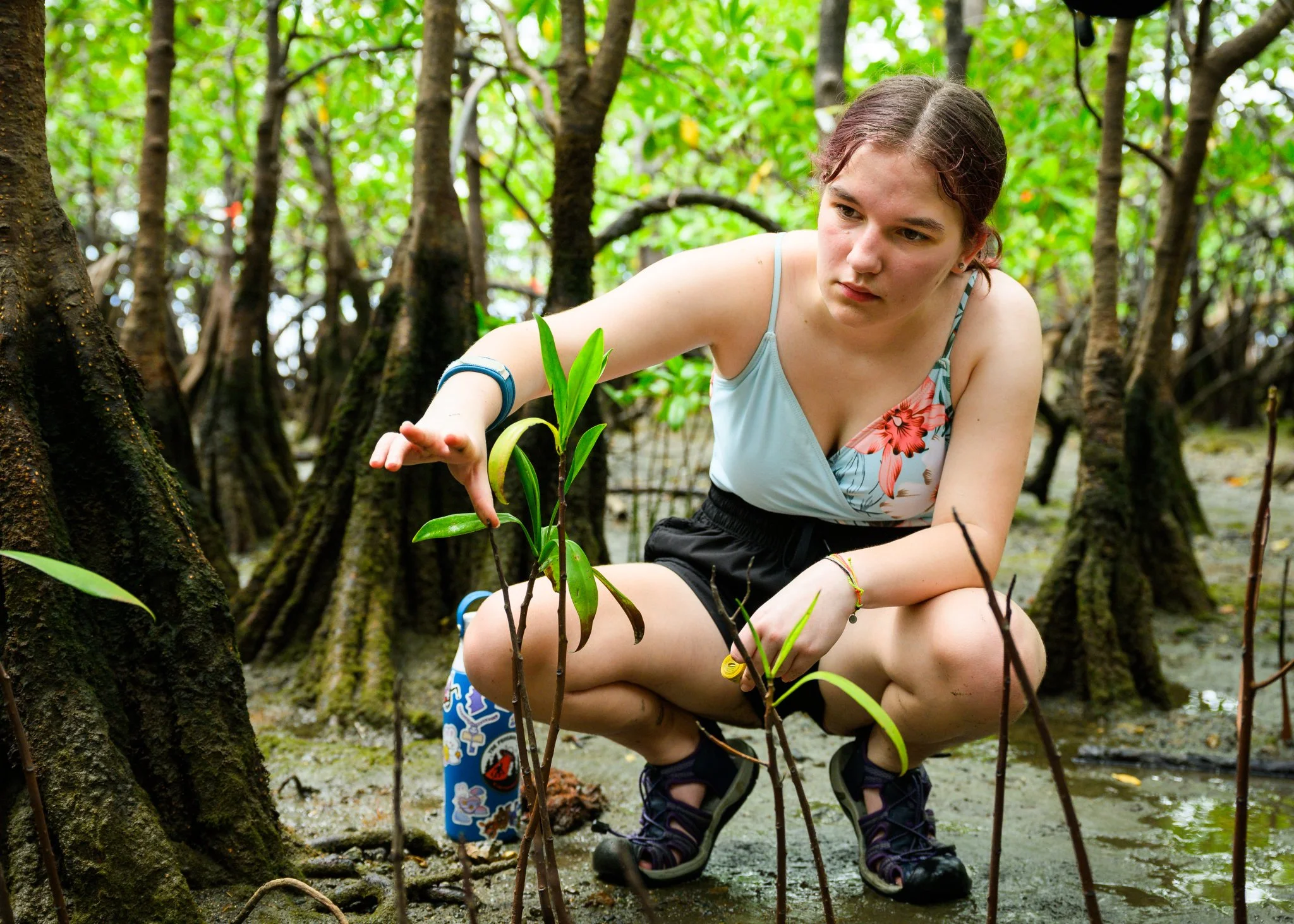
Help restore mangroves that are critical to the growth of fish and sea turtles
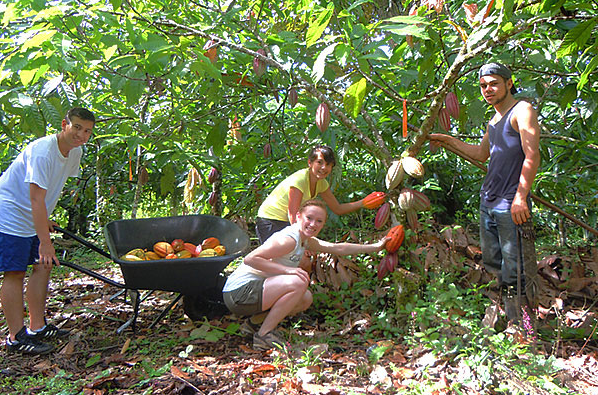
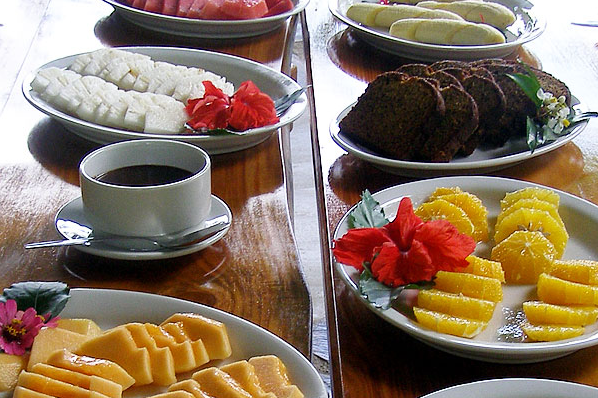
Sample local fruits and see how chocolate is grown and sample freshly made at an organic farm
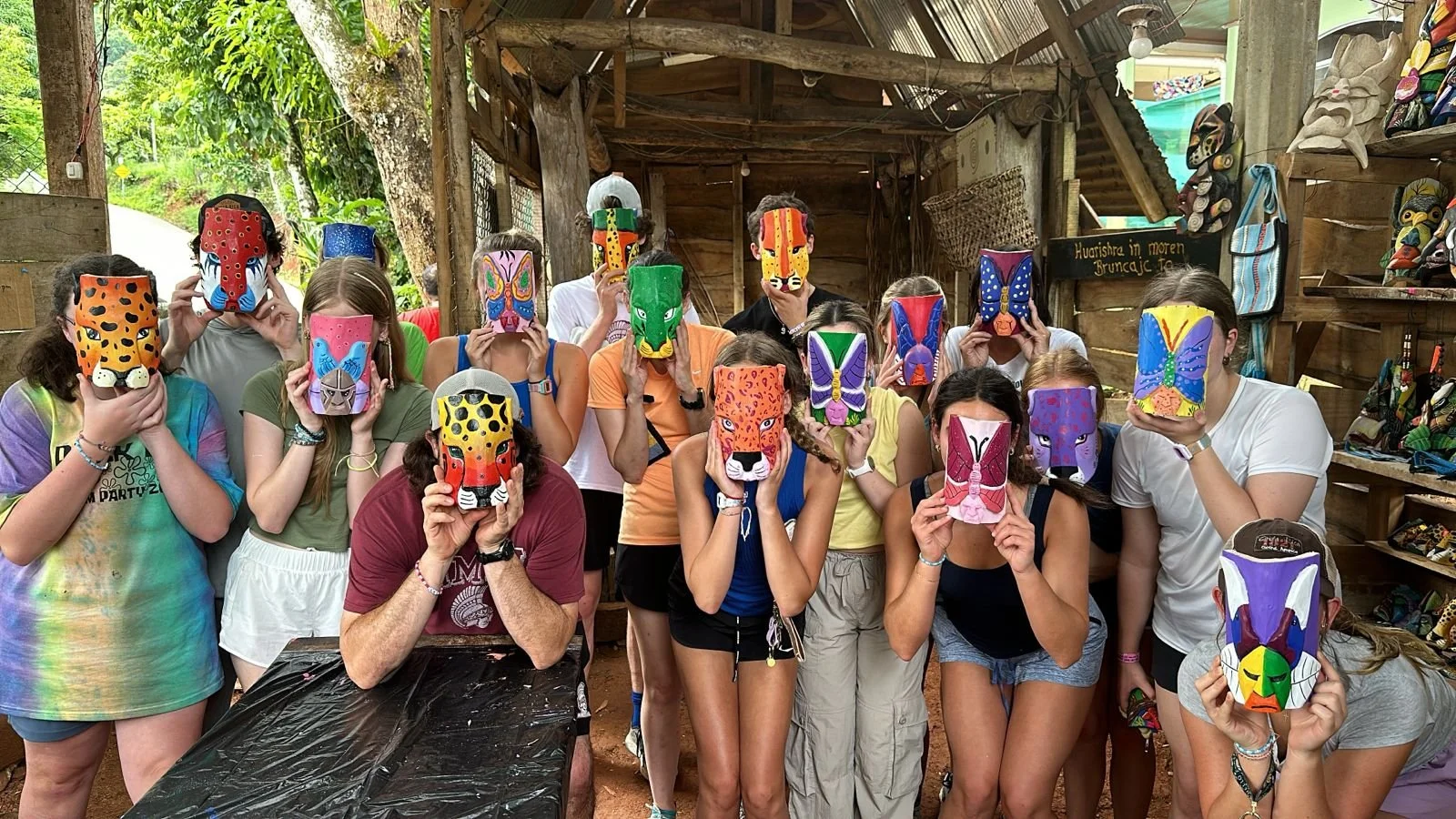
Visit the Boruca Indigenous Reserve to make your own mask, watch a ceremony, and enjoy a traditional lunch
Date: June 21-29, 2027 (9 spots left)
Price: $1,995 pp
To register, contact us at form at right. ———>
Includes: Guide, private transportation, accommodations, meals (except where listed), activities, and a donation to turtle conservation.
Excludes: Airfare to Costa Rica, travel insurance (required), alcohol, personal items, and a tip for the guide.
Why Travel With Us?
All profits support conservation efforts
Work directly with local researchers
Unique experiences
Personalized service
ITINERARY
DAY 1: ARRIVE TO SAN JOSE
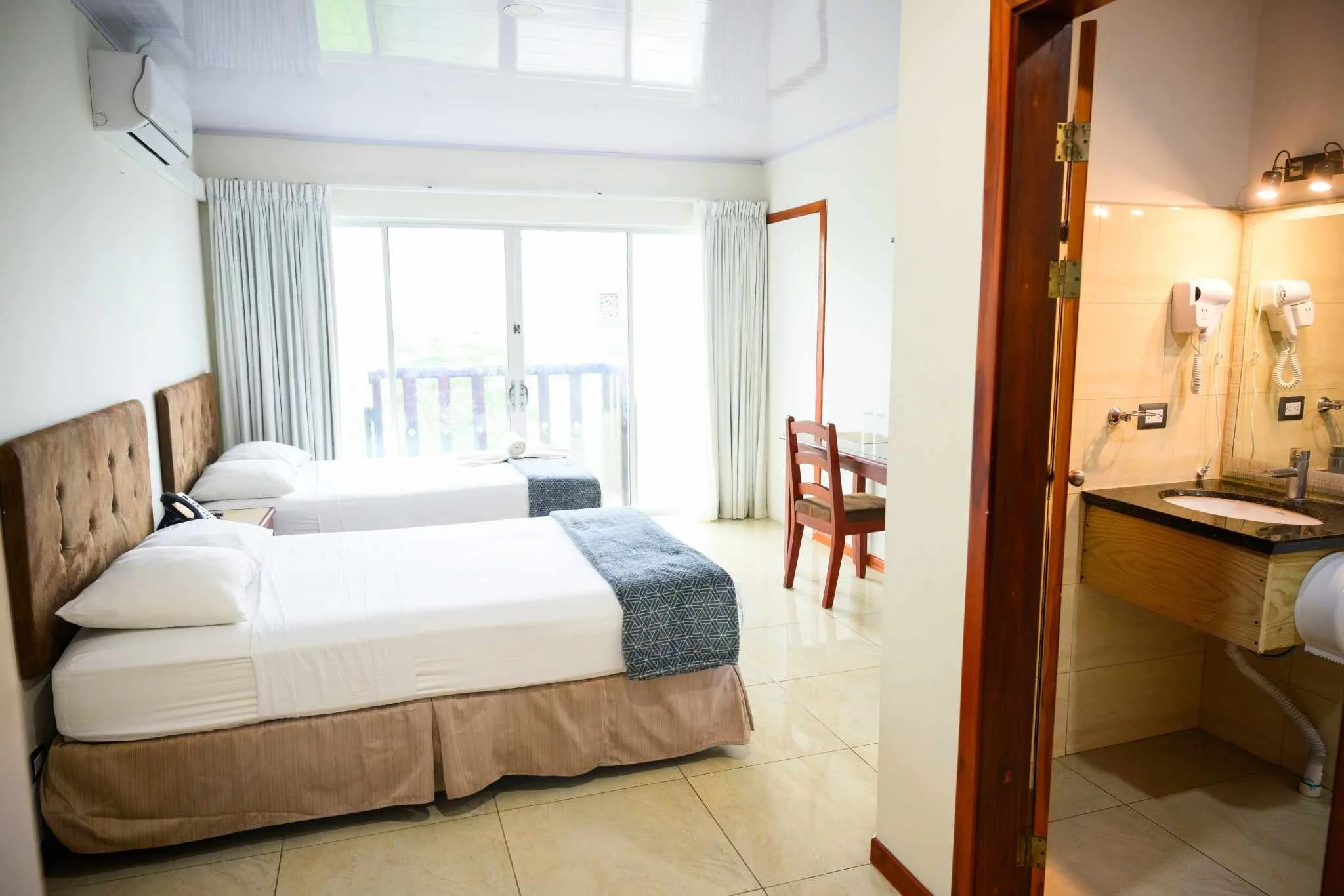
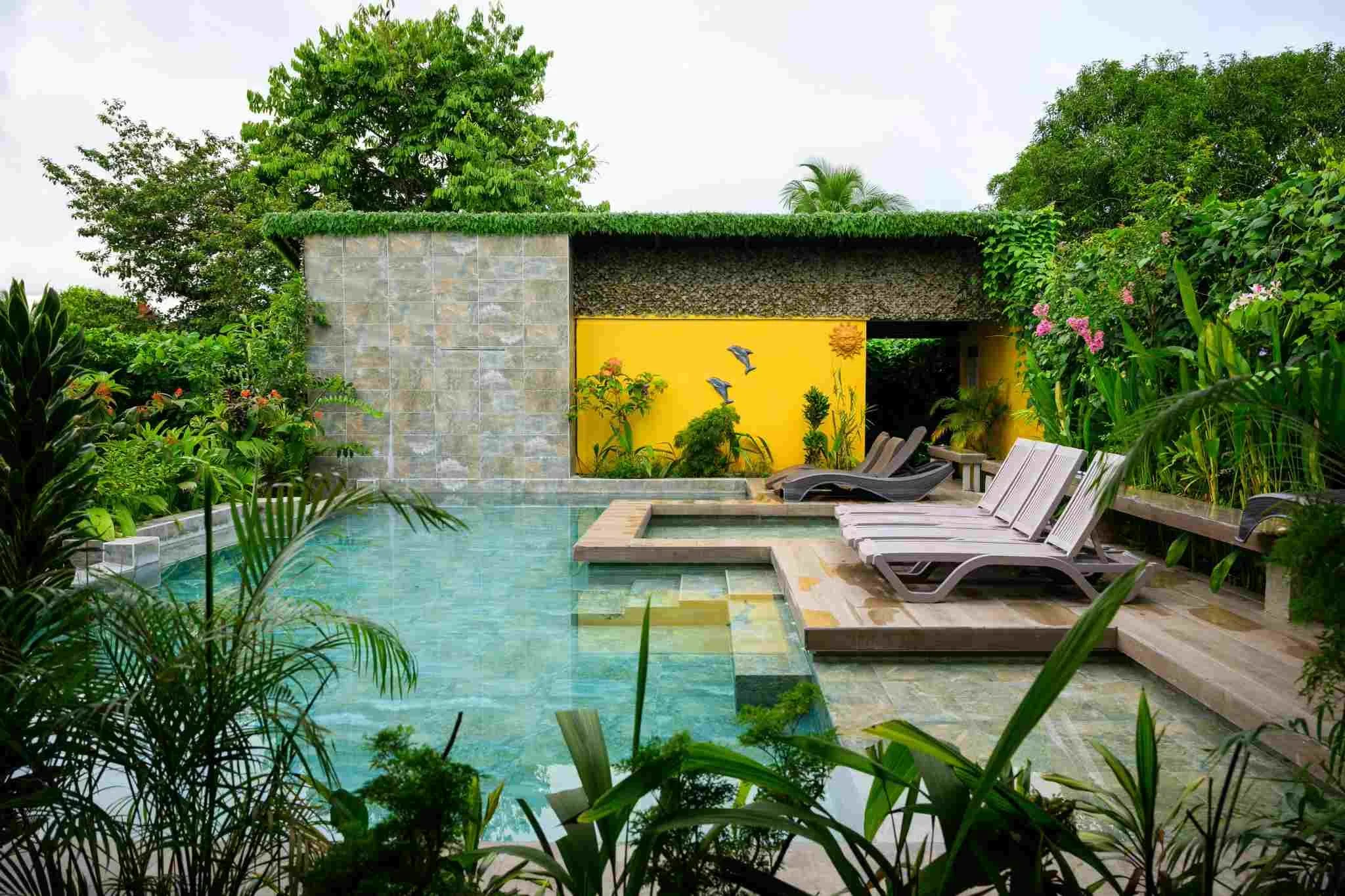
You will be picked up at the San Jose Airport and taken to La Rosa de America in Alajuela, a quiet hotel with beautiful gardens and a pool.
The group will meet to get to know one another, set common goals, and engage in a Costa Rica wildlife activity to prepare for what you may see on this expedition. Get a good night's sleep to rest up for the fast paced trip. (Meals: D)
DAY 2: DRIVE TO THE OSA PENINSULA
After breakfast, you'll head to the South Pacific coast in a private vehicle (about a 5 hour drive). Along the way, you will stop for lunch, take in the beautiful views, and learn more about Costa Rica ecosystems. After settling in to your cabins, researchers from our partner Latin American Sea Turtles (LAST) will give an orientation to the turtle research and train you in data collection techniques.
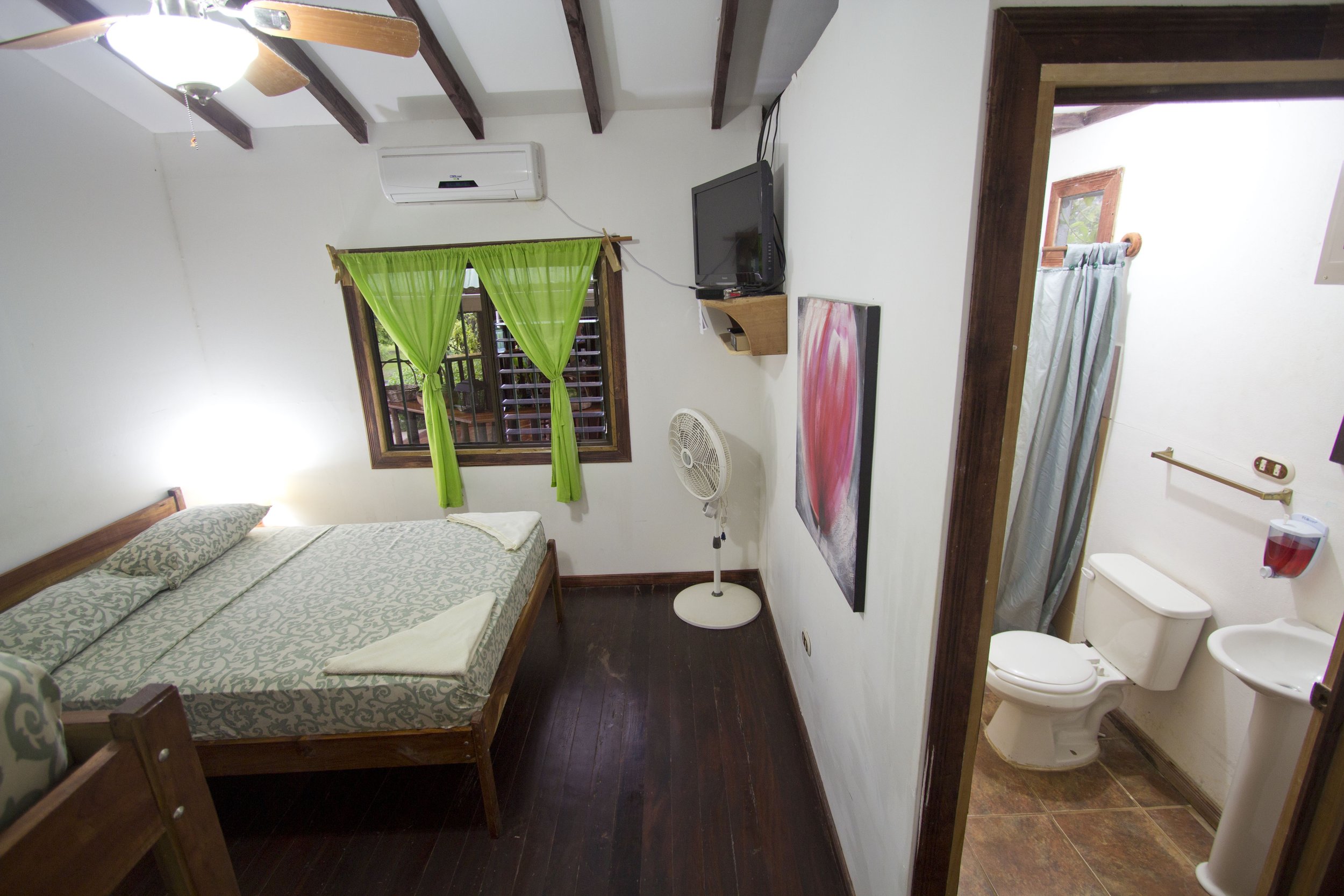
This evening, relax and get a good night’s sleep. Overnight at Delfines de Golfo (2 nights), a family lodge with a pool and private baths with hot water. (B, L, D)
DAY 3: SEA TURTLE RESEARCH
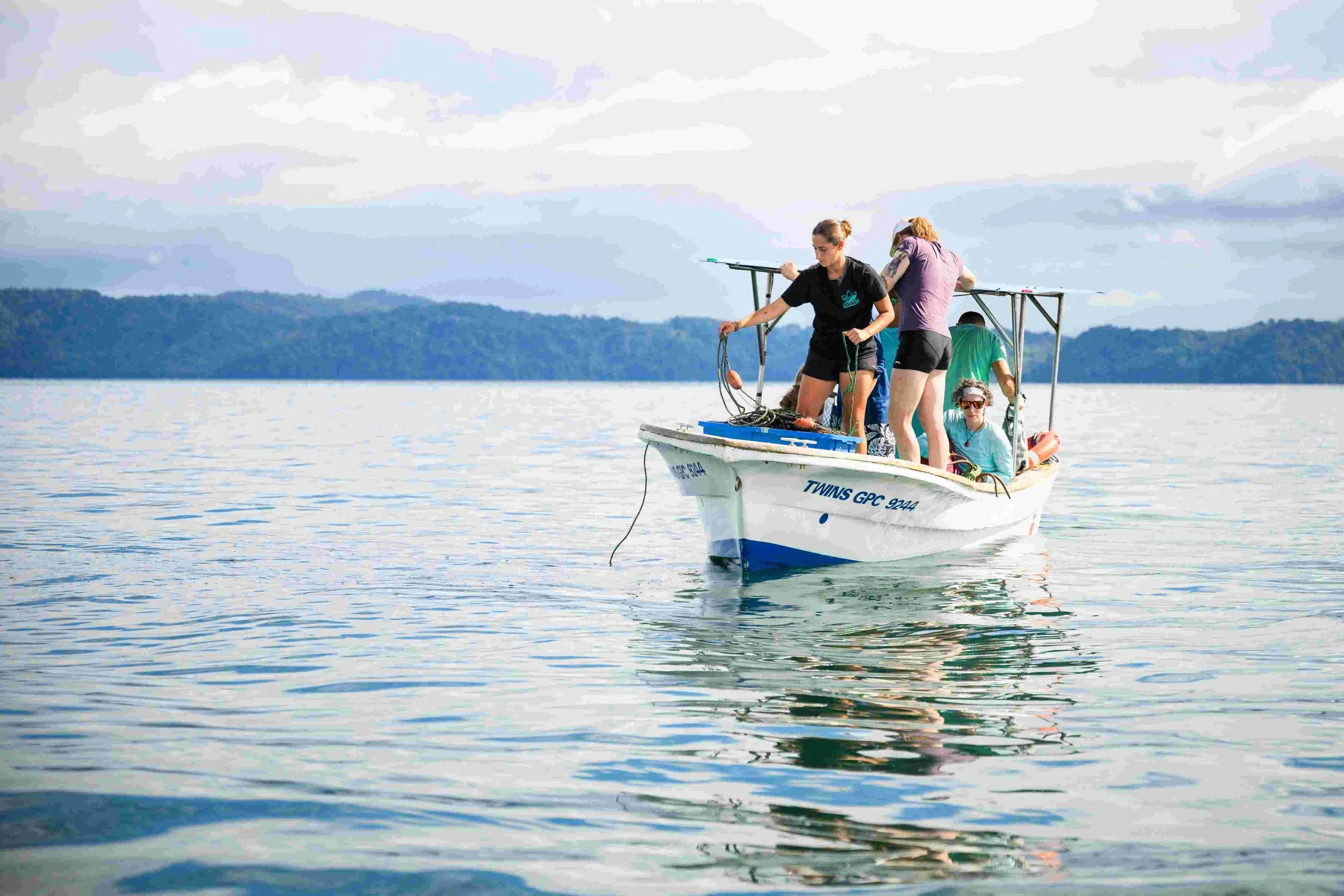
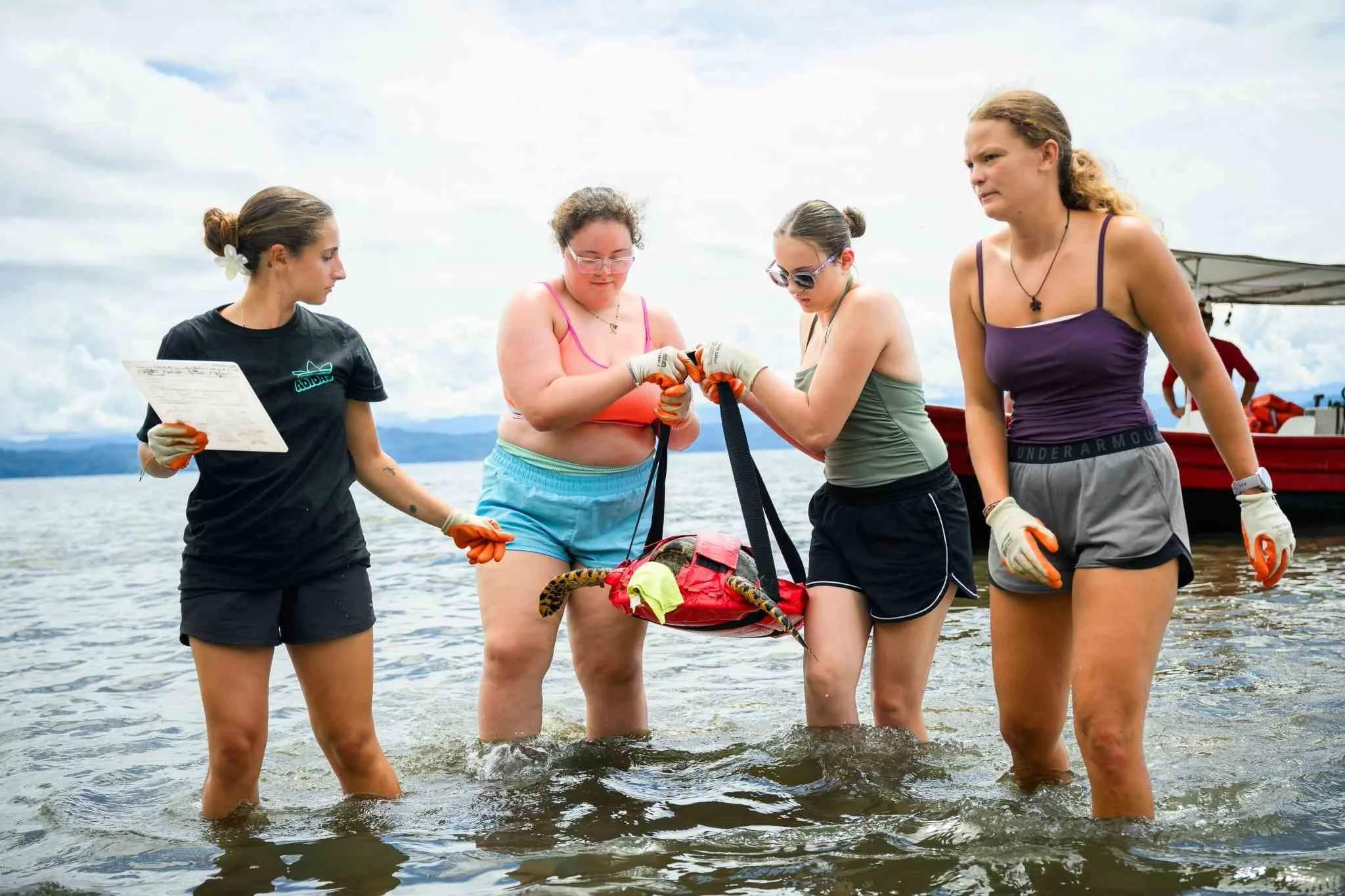
Today is all about sea turtles. Head out in a shaded boat with researchers to help set nets in key turtle spots (timing dependent on the tide). Once caught, researchers will bring them to the beach where you will have the opportunity to help carry in the turtles and measure, weigh, and release them.
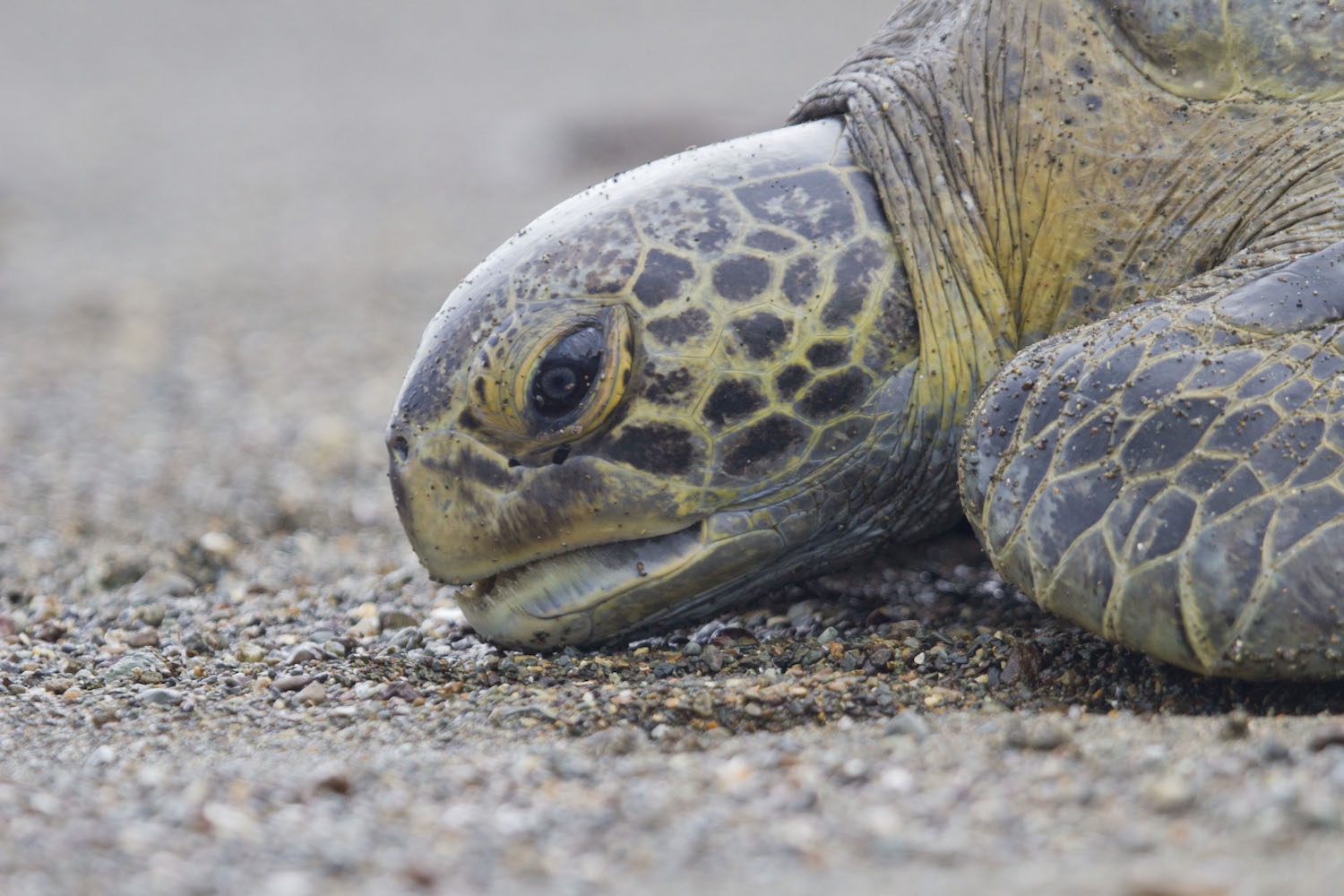
You’ll be looking for green turtles and hawksbill turtles. In between turtles, take a swim in the beautiful Golfo Dulce or explore the coastline to look for wildlife like scarlet macaws and sloths. In the evening, talk more about turtles, the challenges they face, and learn some sample activities that you can bring to your audiences. (B, L, D)
DAY 4: MANGROVE PLANTING & CACAO FARM
Planting mangroves is a vital ecological effort aimed at restoring coastal ecosystems that provide numerous benefits. These unique trees not only help stabilize shorelines, but also serve as essential habitats for various marine species. By rebuilding mangrove forests, we can enhance biodiversity, improve water quality, and mitigate the impacts of climate change. Additionally, these efforts contribute to the livelihoods of local communities who depend on healthy coastal environments for fishing and tourism.
After that, you'll visit a nearby organic farm to taste a variety of fruits from around the world and to learn about the origins of chocolate, which is native to this region. You will see the entire process of making chocolate, from growing cacao to harvesting, drying, fermenting and of course tasting, finishing up with a dark chocolate fondue.
After digesting the chocolate, the group will drive to Carate, a small community on the Pacific side of the Osa Peninsula. You will stay in the Tortugas de Osa Research Station where you will eat and spend time with researchers and volunteers. This evening will be an opportunity to walk the nesting beach, looking for olive ridley and green turtles. (B, L, D)
DAY 5: CARATE & TURTLE NESTING
Today, the group will do some rainforest exploration, learning about this extraordinary ecosystem. The Osa Peninsula has some of the most intact rainforest in the country with many species of animals to see.
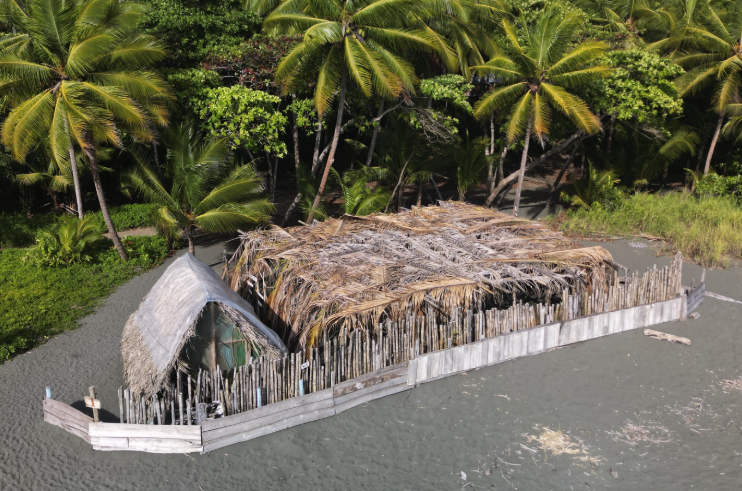
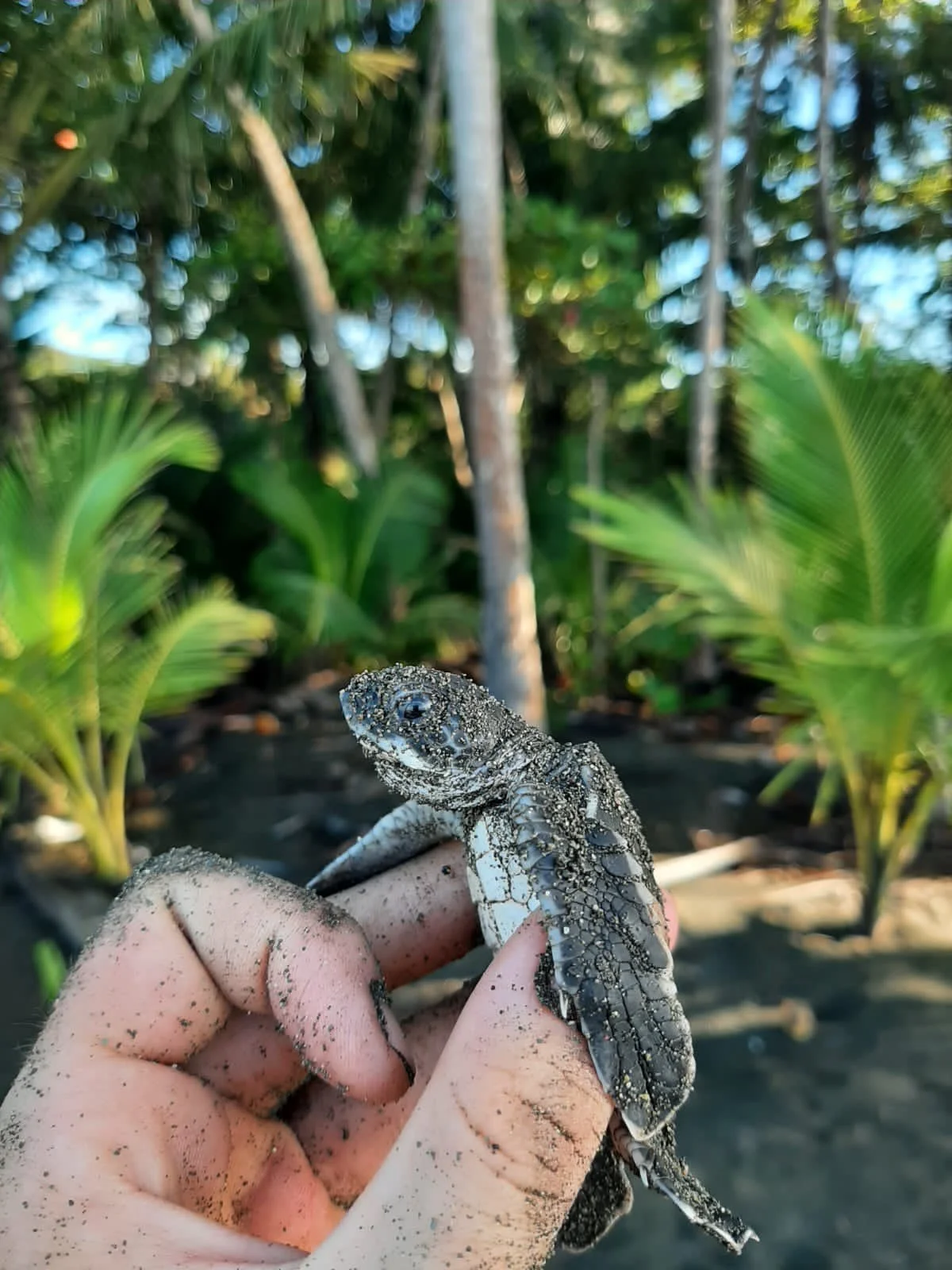
The group will learn more about the work of Tortugas de Osa including visiting their hatchery to see how eggs are protected. They observe mainly olive ridley and green turtles (around 7000 and 300 nests per season respectively). They monitor 8 km of nesting beaches (Carate, Rio Oro, and Pejeperro) all year round. With some luck, you might see some hatchlings. This evening will be a second opportunity to patrol the nesting beach with the researchers. (B, L, D)
DAY 6: PLASTIC ACTIVITY AND TRANSFER TO OJOCHAL
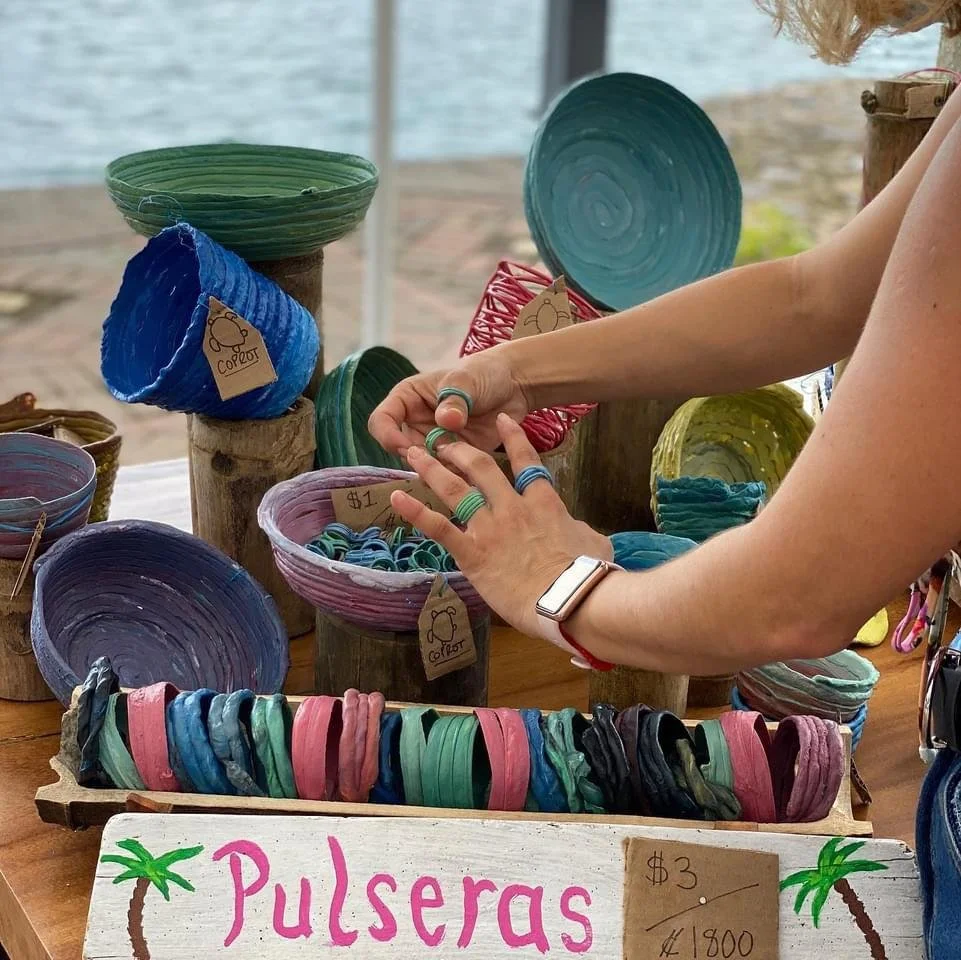
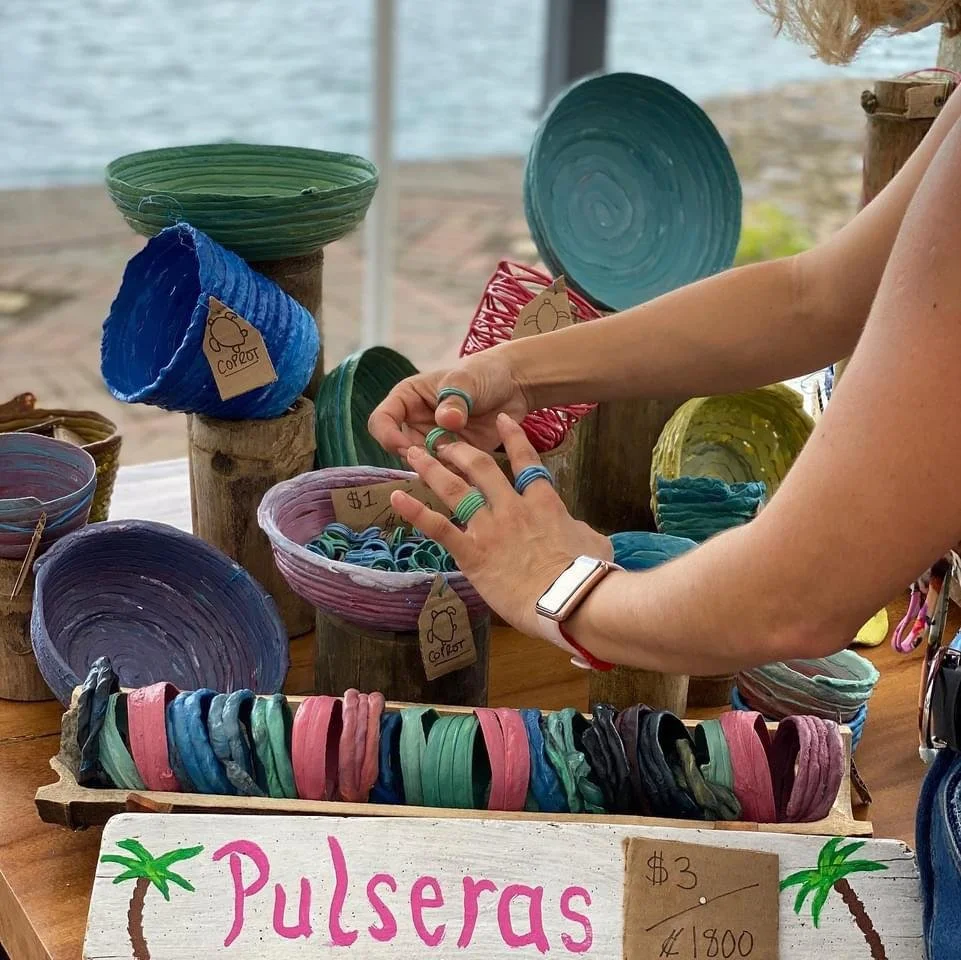
This morning after breakfast, the group will visit Tortugas de Osa’s station in nearby Rio Oro. The organization has built a recycling station that turns waste from the community and nesting beach into fun products that support the community and conservation efforts. SEE Turtles has provided some of the funding for this work.
Next the group will board our bus and head back up north, having lunch along the way. The group will visit the beautiful beachfront town of Ojochal. Later, you will have a discussion about how to initiate individual projects inspired by Costa Rica to bring back to your classrooms and organizations. Hotel TBD (B, L, D)
DAY 7: BORUCA INDIGENOUS RESERVE & CLOUD FOREST
Today the group will head out after breakfast, first stopping at the Boruca Indigenous Reserve. Here you will have the opportunity to paint your own wood mask, the specialty of this community. While the paint dries, you’ll head to a creek to watch a special ceremony using their traditional masks and then a yummy lunch with the community.
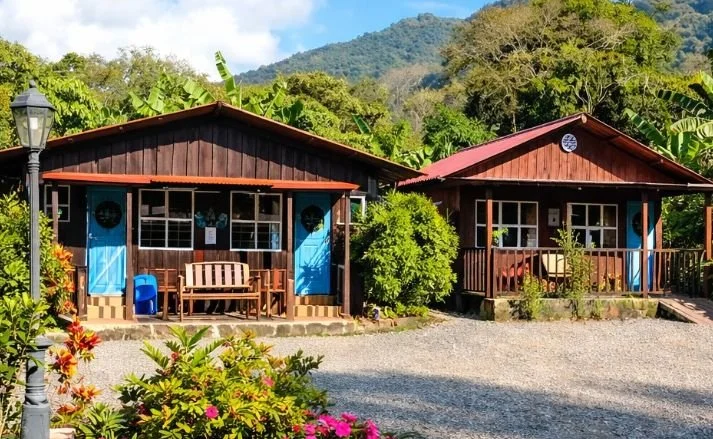
Continue heading uphill the the Continental Divide, which separates the watersheds draining into the Pacific Ocean from those flowing into the Caribbean Sea. While in the area, you will take a short hike through the paramo ecosystem to learn about the flora and fauna of the region. Finally, the group will head to Cabinas Cecilia, a serene retreat surrounded by lush tropical nature. (B, L, D)
DAY 8: COFFEE TOUR & RETURN TO THE CENTRAL VALLEY
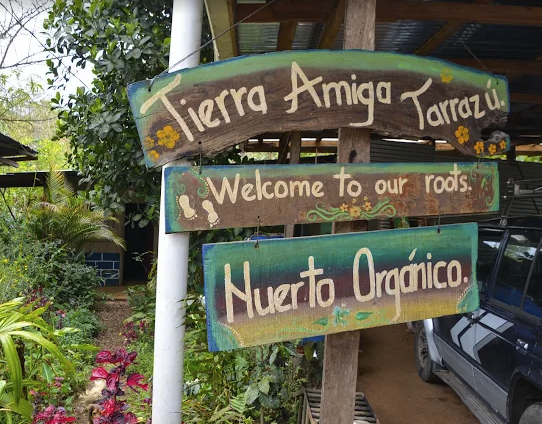
Today, after breakfast, take a tour of the Tierra Amiga coffee farm, where you can savor the rich flavors of local Costa Rican coffee. Engage in informative tours that reveal the coffee production process, all while enjoying scenic views. Experience hands-on activities and connect with local farmers, all rooted in sustainable practices.
The group will pack up the bus and head back north to the Central Valley back to La Rosa de America hotel. Join the group one last time to take a final look at the course goals and reflect on your time spent in Costa Rica. Have a celebratory dinner on the town this evening. Overnight at La Rosa de America. (B, L, D)
DAY 9: DEPART FOR HOME
After breakfast, the shuttle will transfer you to the airport in time for your flight, taking along your memories, photos, and a plan of action to integrate what you learned into your classroom or community. (B)

Similar Trips:
Tortugas de Osa Hatchery
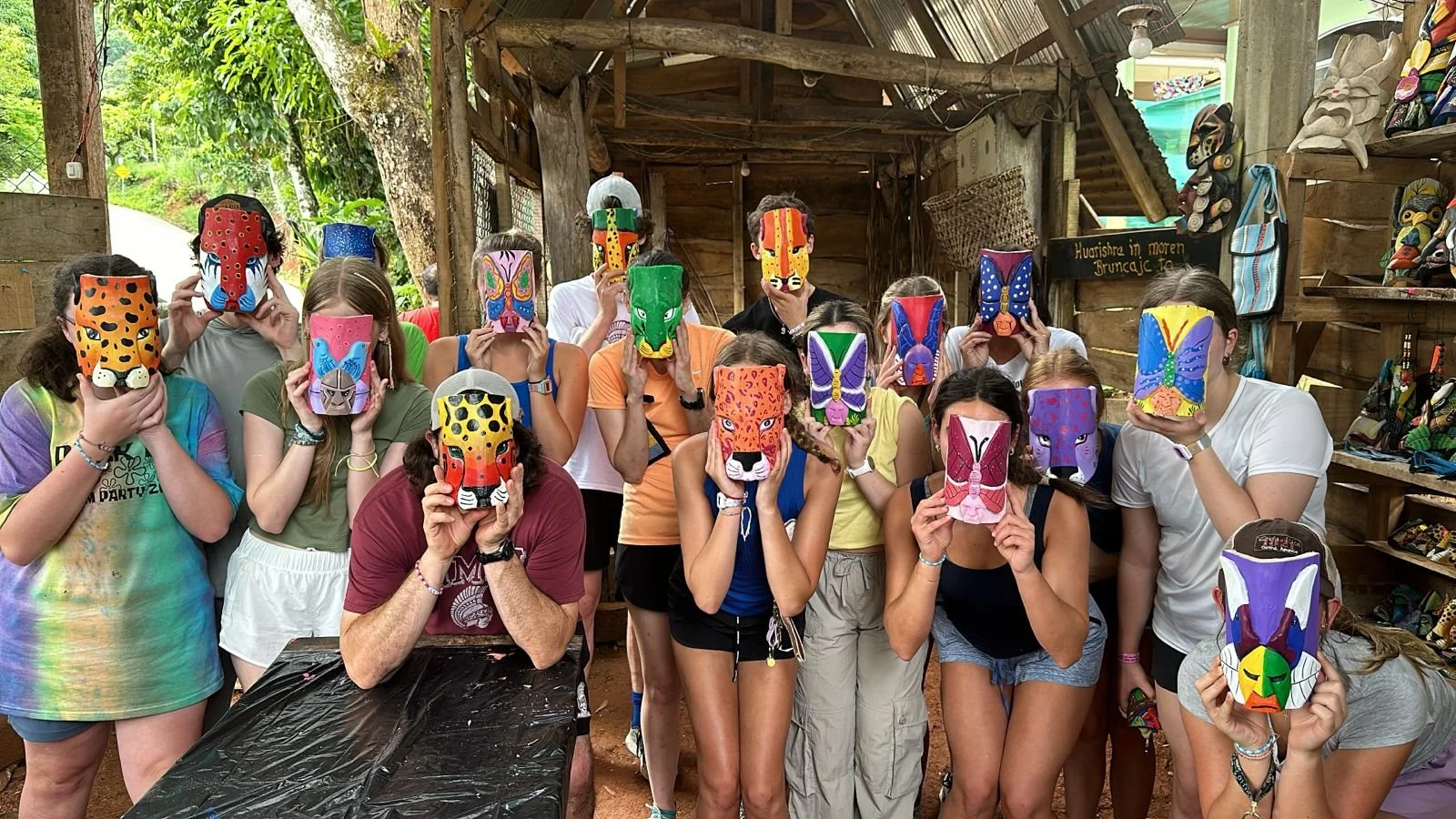
Boruca mask making activity
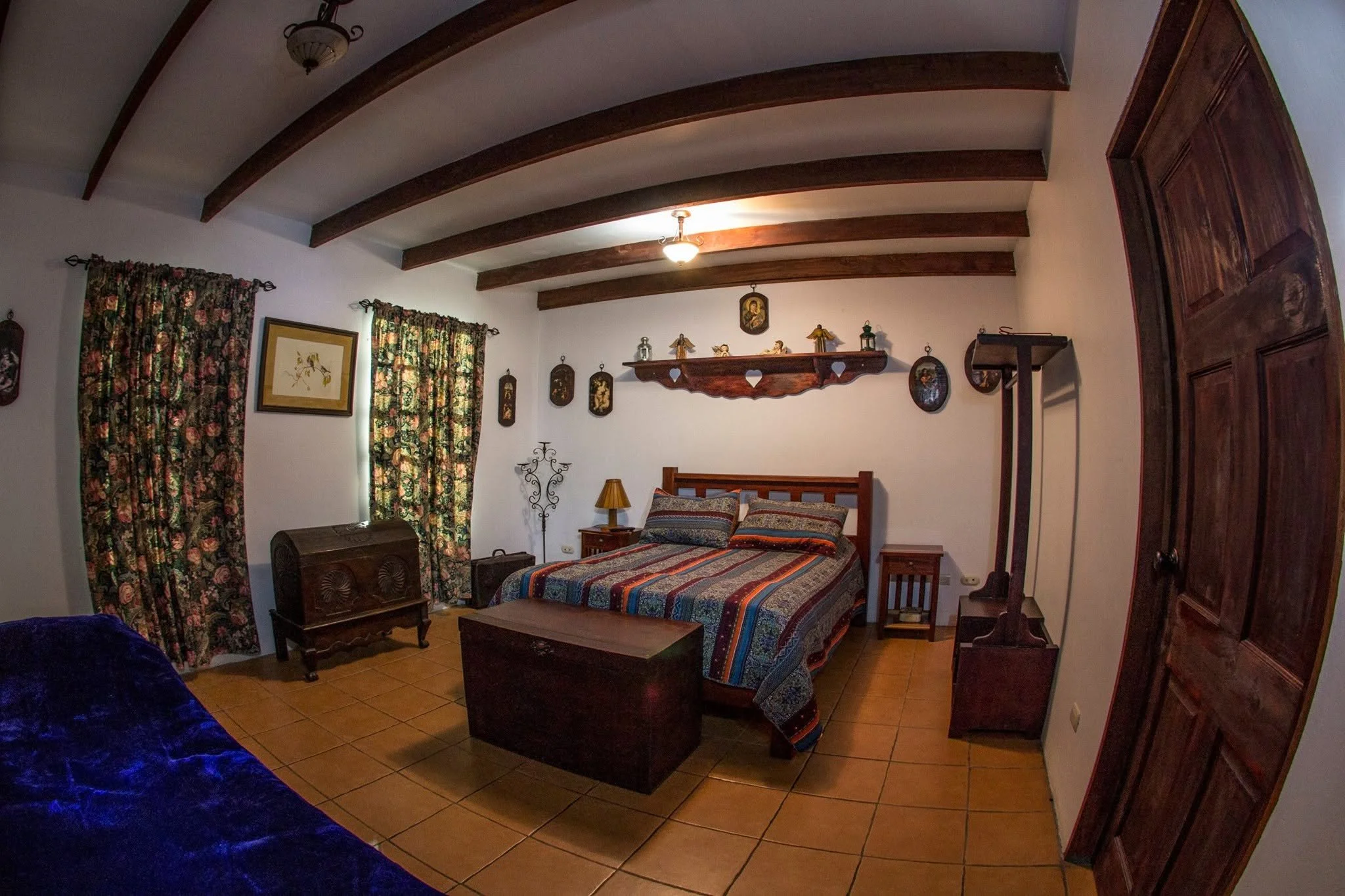
Cabinas Cecilia
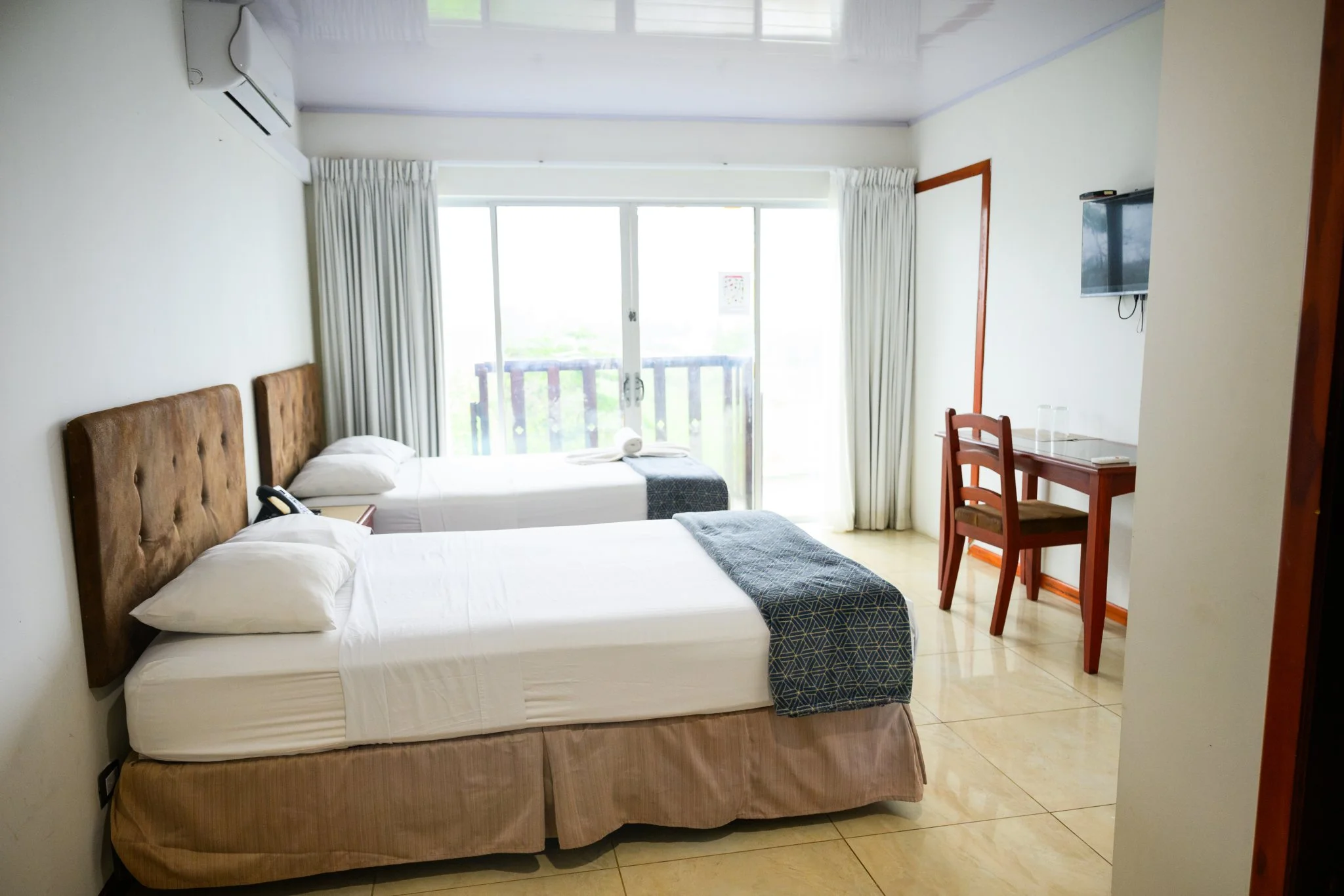
Trip Notes:
We give full refunds if we need to cancel a trip. If you cancel, your fees can be applied to a future trip, except within 60 days of departure when payments to local providers are already made. See our full terms and conditions.
Is This Trip Right For Me?
Costa Rica is a safe and beautiful country that receives more than 1 million international tourists annually. This is a fairly active trip that requires some physical fitness and an ability to manage sometimes challenging conditions including weather and heat, bugs, and long bus rides. The accommodations are comfortable but plan to spend significant time on boats and on the beach while waiting for turtles to be caught.
MORE CONSERVATION TRIPS
Explore all SEE Turtles conservation trips and find the experience that’s right for you.

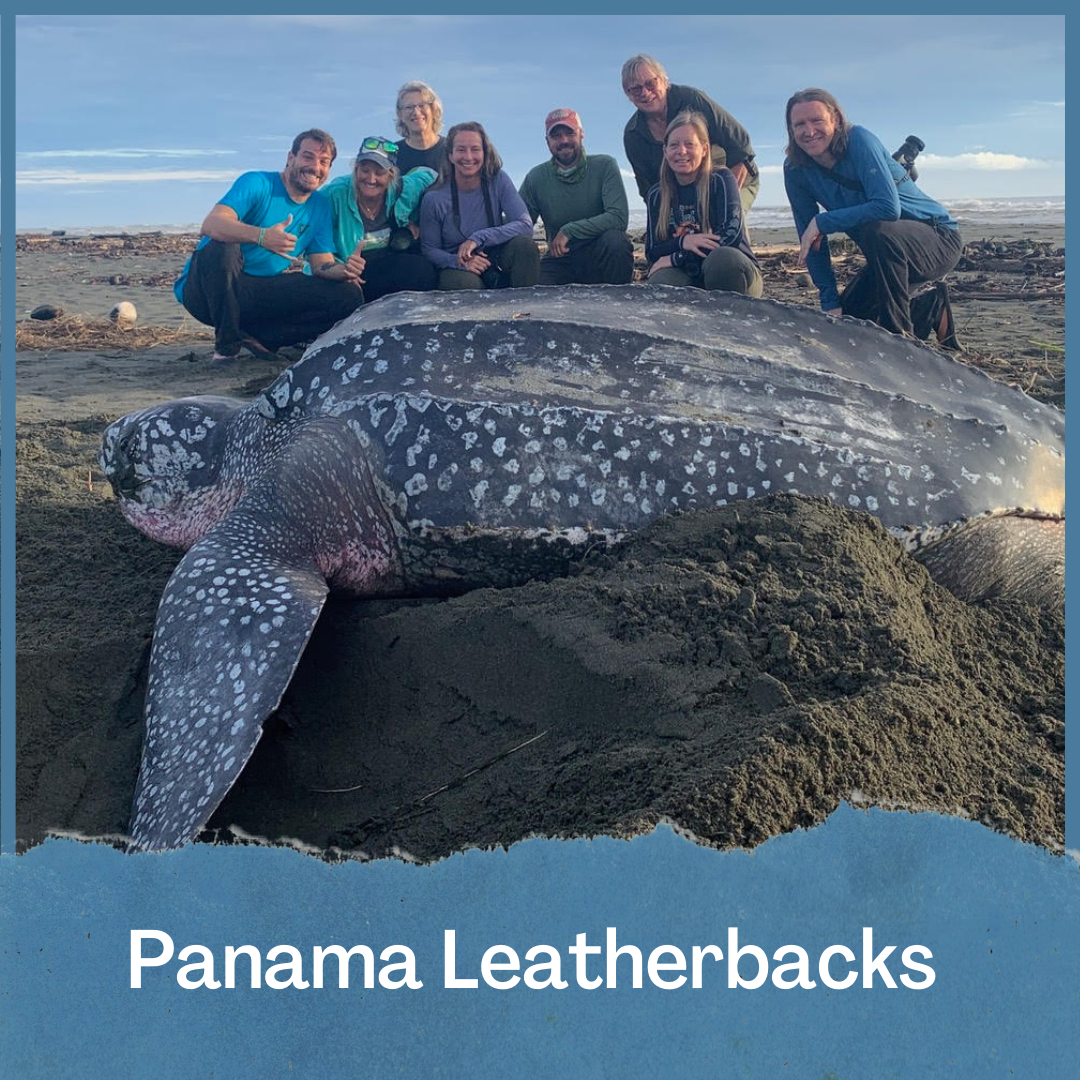

Photo credits: Hal Brindley, James Richard, & Latin American Sea Turtles