Galapagos Conservation Photography Tour
Explore the Galápagos Islands through a photography-focused journey designed to balance active exploration with time to observe and capture the archipelago's remarkable wildlife.
Traveling across San Cristóbal, Isabela, Santa Cruz, and North Seymour Island, this itinerary combines exceptional marine encounters, volcanic landscapes, and some of the Galápagos' most iconic seabird colonies. From snorkeling alongside sea turtles and reef fish to photographing blue-footed boobies, magnificent frigatebirds, marine iguanas, and giant tortoises, each day offers new opportunities to capture the incredible biodiversity of the islands.
The pace is active yet flexible, allowing time at key locations to focus on composition, natural light, and wildlife behavior—both above and below the surface. Along the way, travelers will also gain insight into local conservation efforts and the importance of responsible wildlife tourism. The trip is led by a bilingual naturalist guide in partnership with Galakiwi, one of the Galápagos' most respected tour operators, and SEE Turtles’ Communications Manager Bethany Augliere, a photographer and videographer.
Trip Highlights
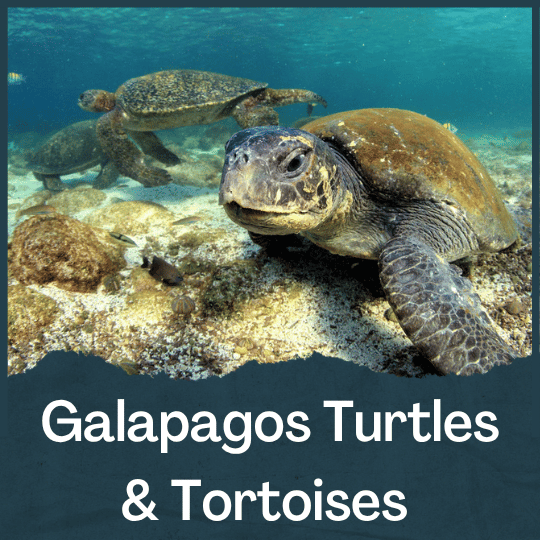
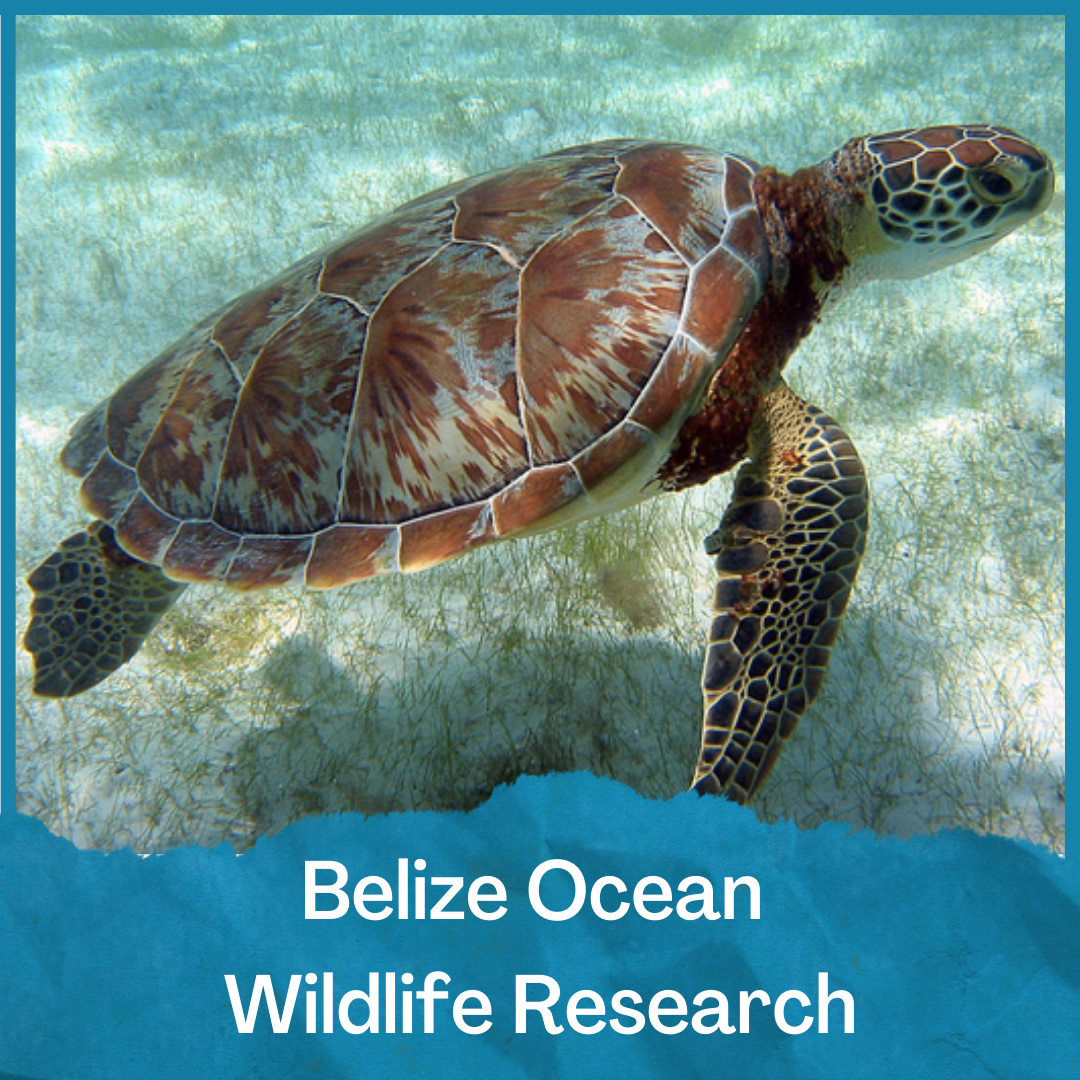
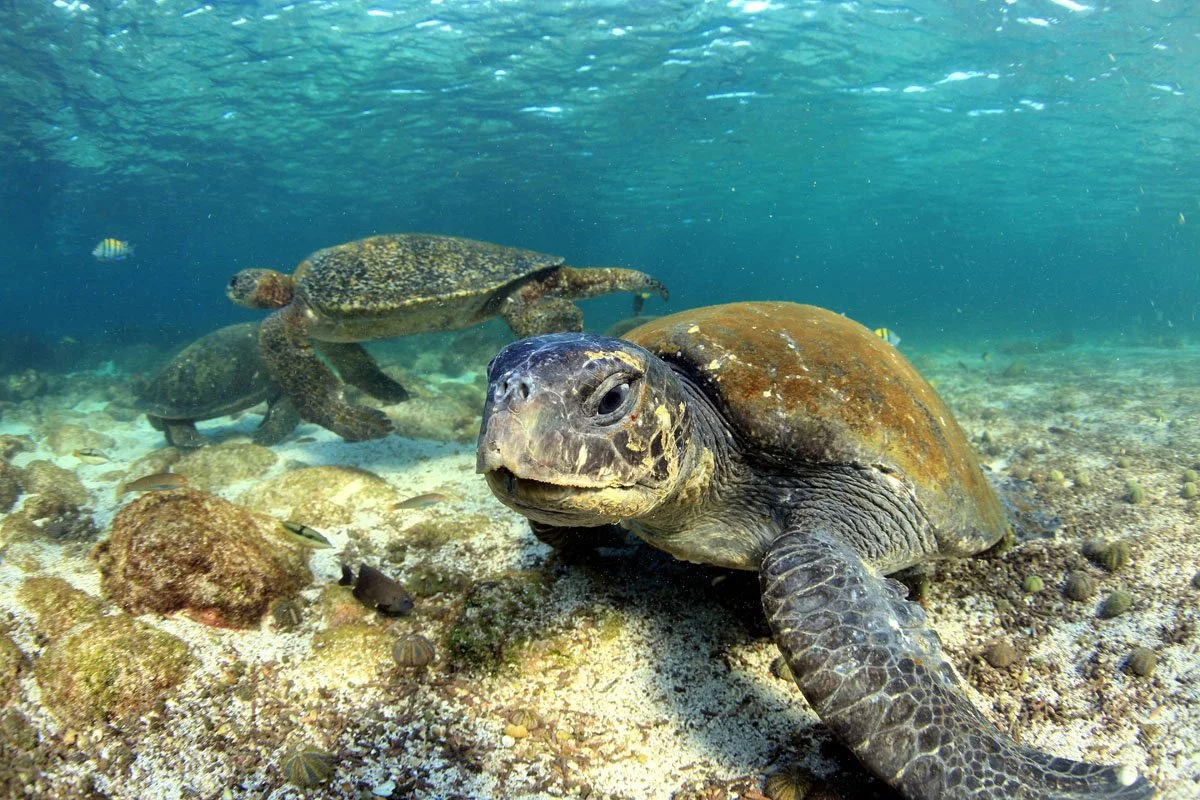
Snorkel with sea lions, turtles, rays, and colorful reef fish at Loberia Beach, Kicker Rock, and Los Túneles
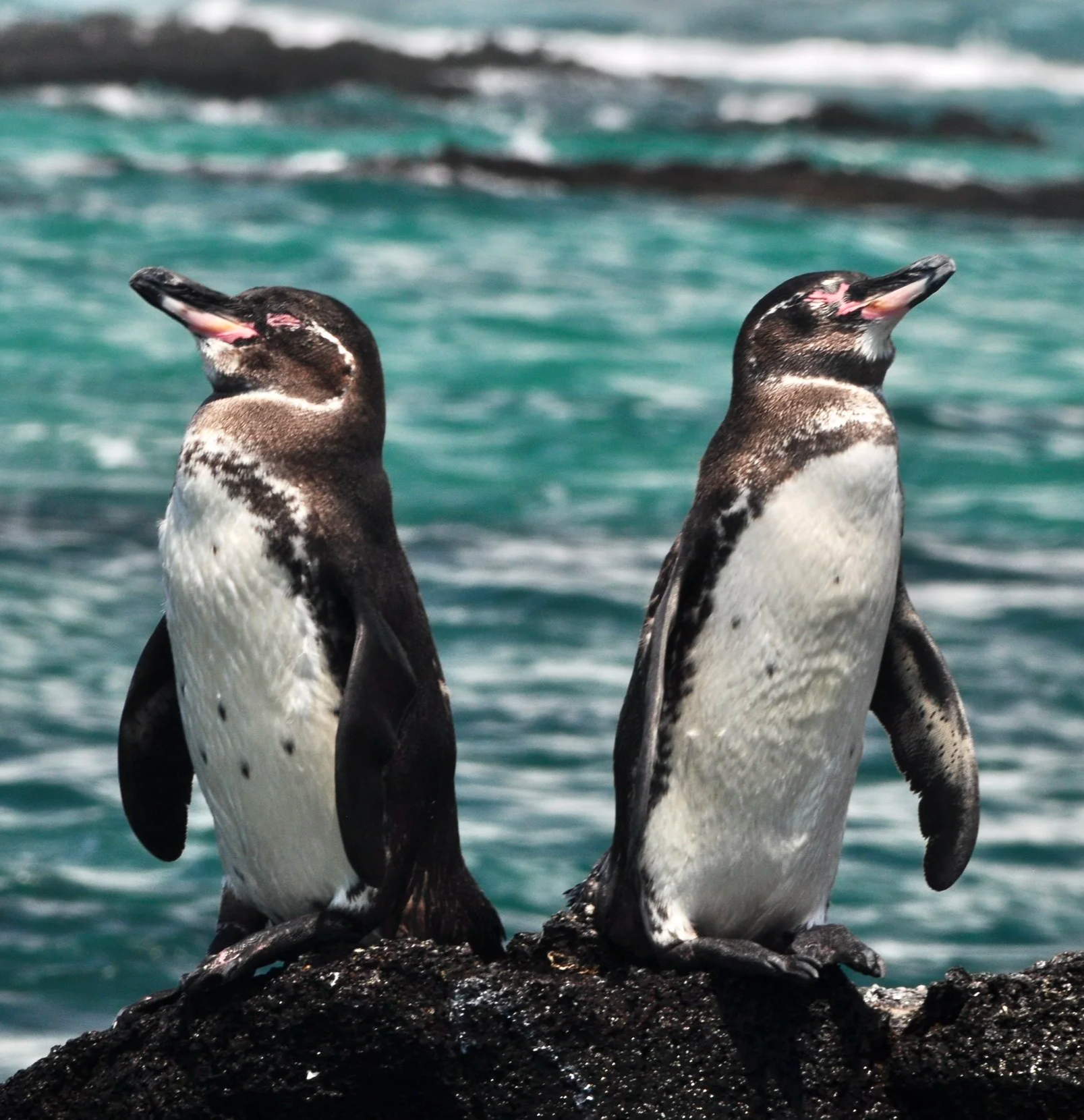
Kayak through the sheltered waters of Puerto Villamil, spotting penguins, blue-footed boobies, and marine iguanas
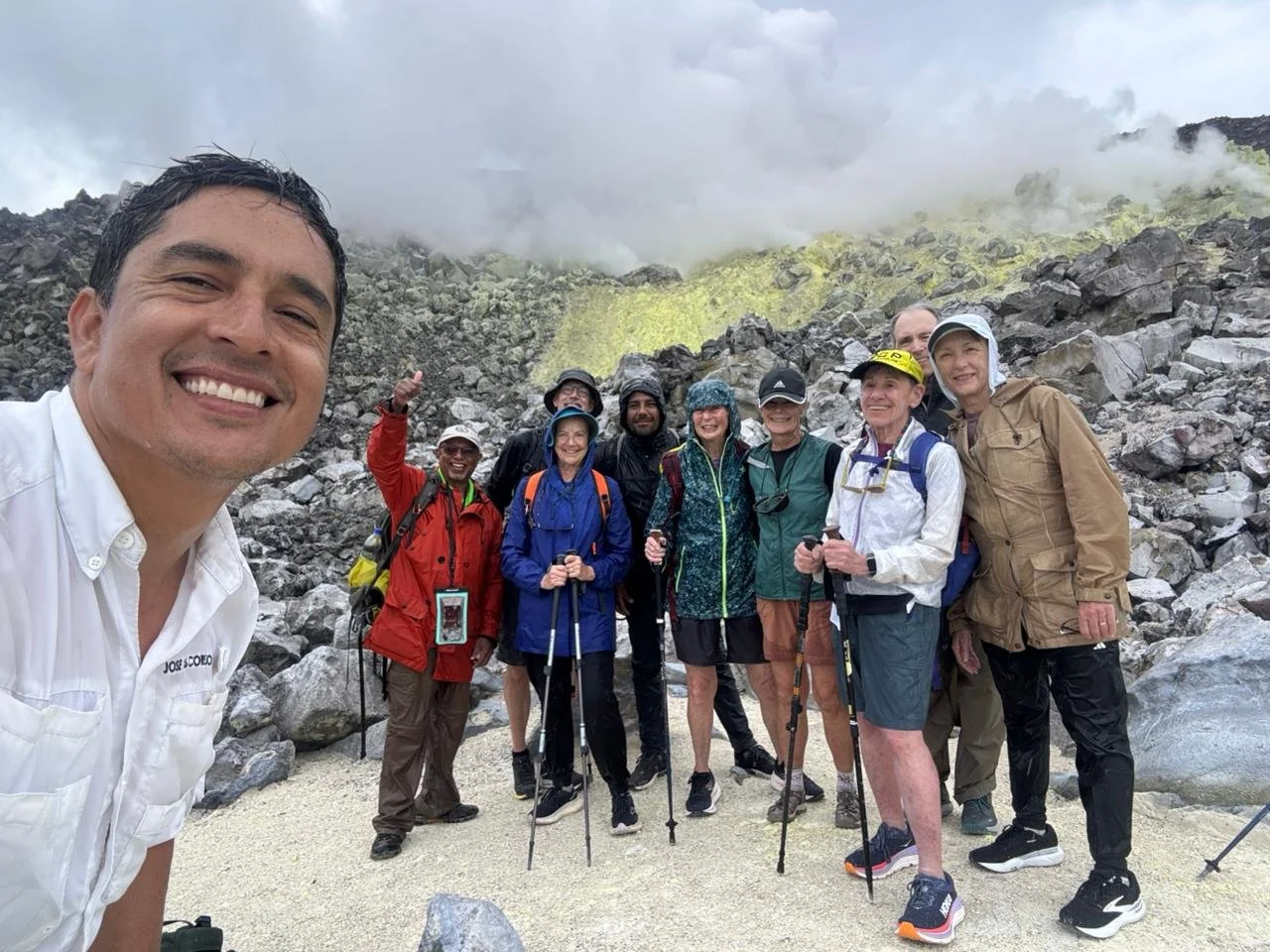
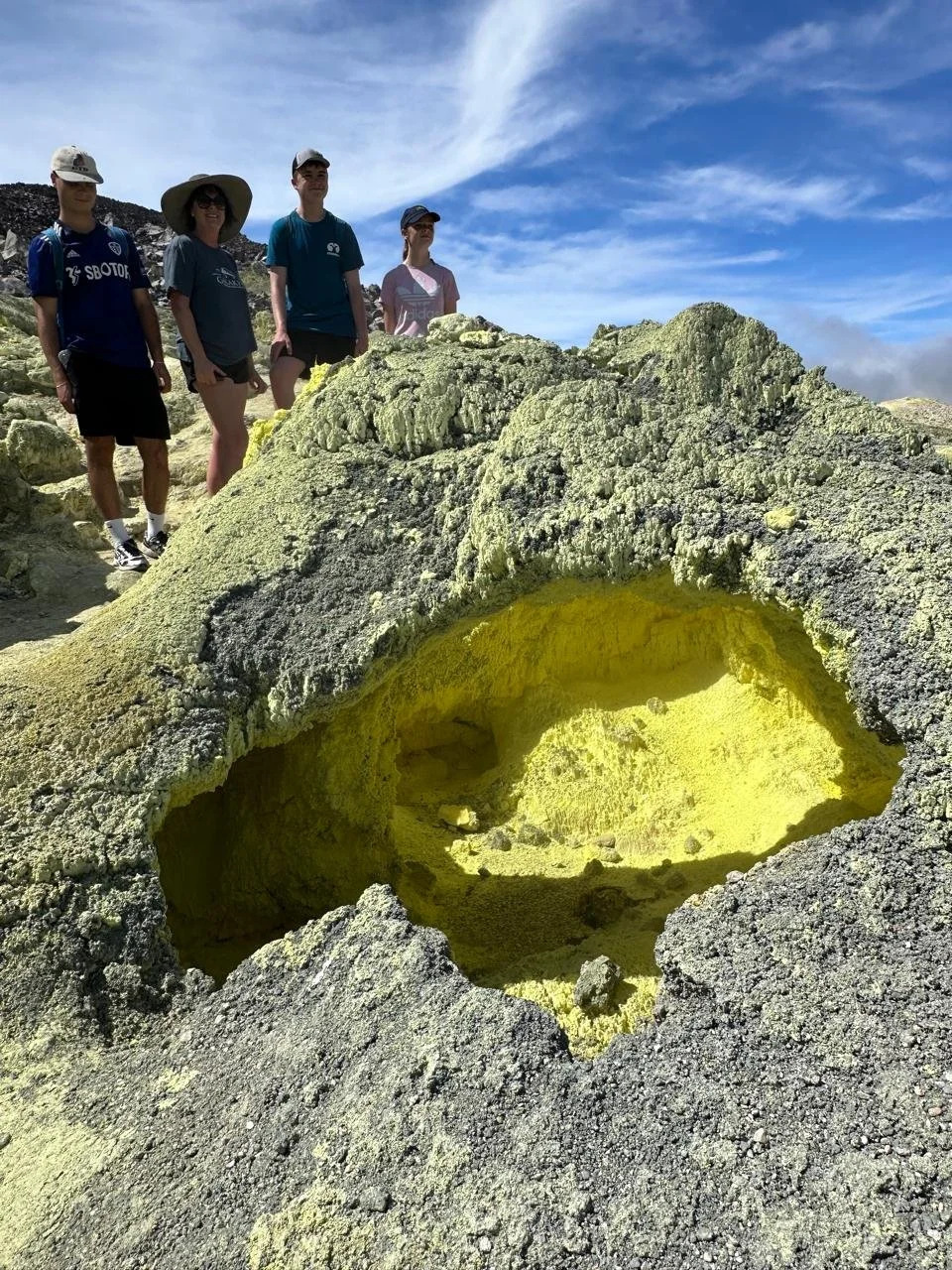
Explore a sulfur mine with steam vents, mineral deposits, & bright yellow formations
Visit the Charles Darwin Research Station and discover the conservation legacy of the islands
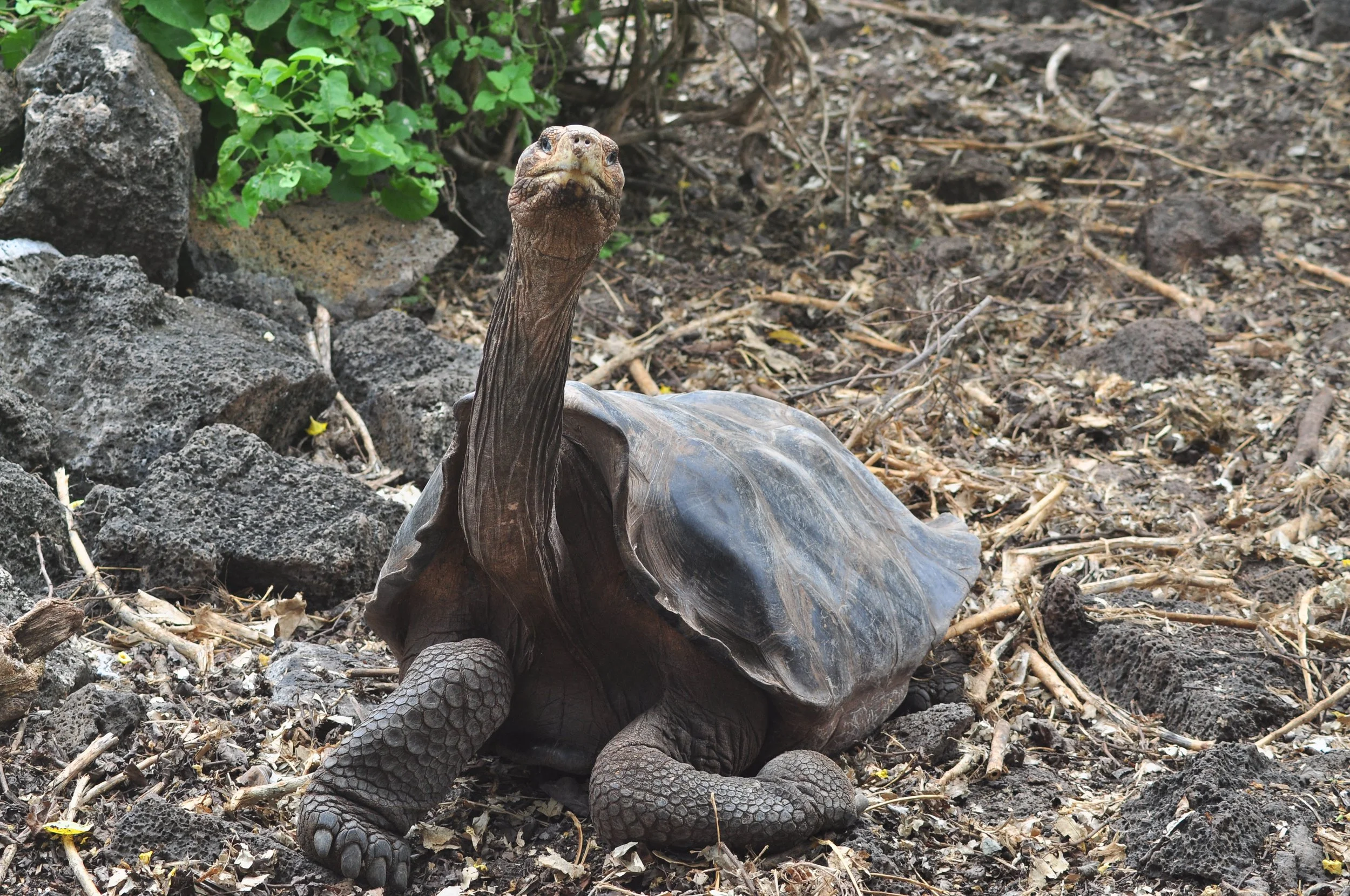
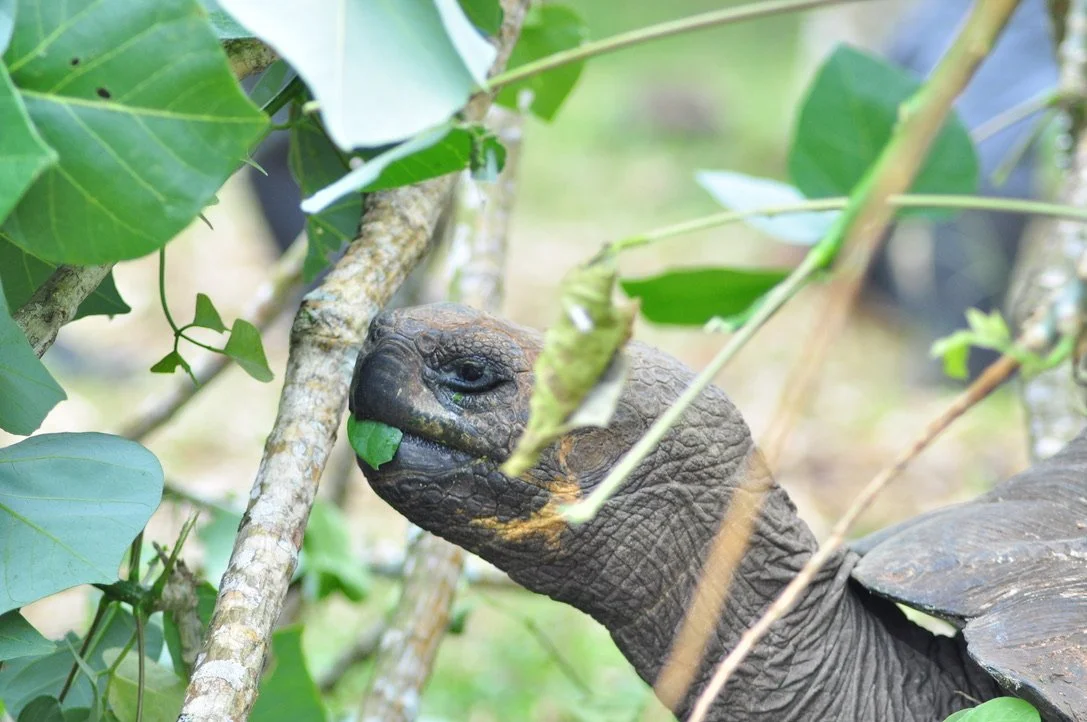
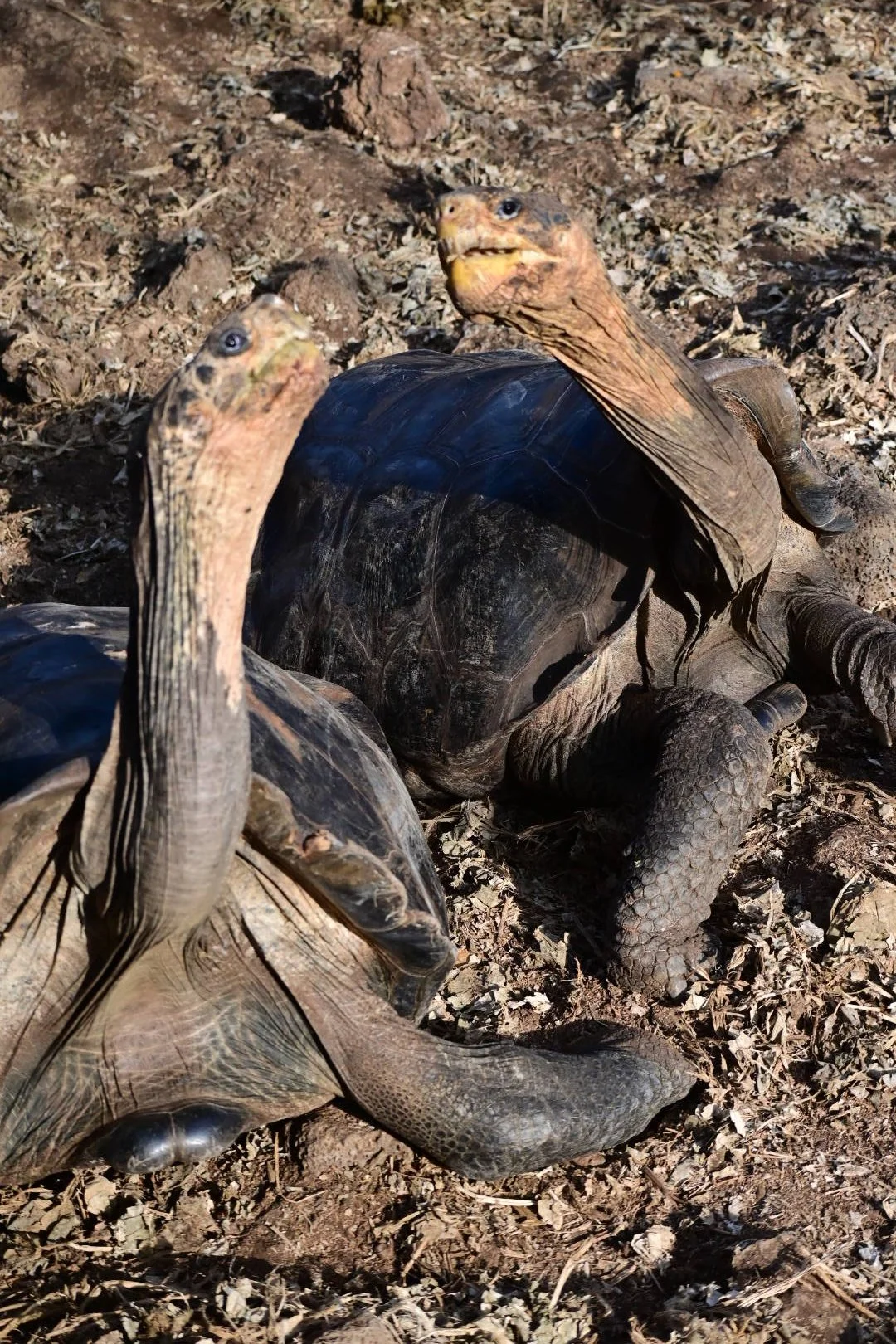
See giant tortoises on the Santa Cruz highlands
Visit North Seymour Island, the archipelago’s finest wildlife photography destination including seabird and sea lion colonies & more
2027 Date: May 7 - 16
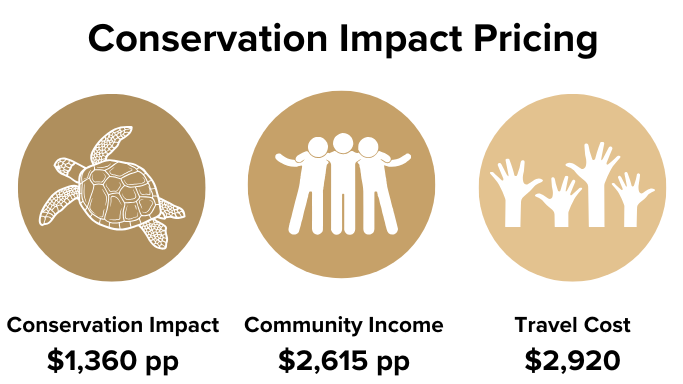
Price: $6,895 per person (double occupancy)
*$100 discount through October (discount added upon registration).
Deposit to register is $500 and the balance can be paid off over time with final payment due 60 days before departure.
Single supplement: For individuals, if you want a private room or we are unable to find someone of the same gender to pair you, the extra fee is $1,000.
Includes: Roundtrip airfare from Quito to Galapagos ($600 value), internal Galapagos flight, meals as listed, Quito & Galapagos accommodations, activities, and service tips (activities and hotels).
Excludes: Airfare to Quito, tip for guide, travel insurance (required), drinks other than water, and $220 in national park and tourist fees.
*Please note: Registering online also now includes an additional 2.9% credit card fee or ACH at no charge plus a 1% service fee for our booking platform. To avoid those charges, you can pay by check, contact us at right if you prefer to pay that way.



All profits support conservation efforts
Work directly with local researchers
Unique experiences
Personalized service
Itinerary
DAY 1: Arrive to Quito
Fly from your home to Quito, Ecuador. We will pick you up from the airport and transfer you to the EB Hotel Quito Airport (1 night). We will have a welcome briefing and then dinner at the hotel. Meals: D
DAY 2: Fly to San Cristobal, Loberia Beach Snorkel
Let the photo adventure begin! This morning, the group will meet our local representative at the Quito airport to take a short flight to one of the oldest islands in the Galapagos archipelago, San Cristobal. We’ll land in Puerto Baquerizo Moreno, a coastal town and the administrative capital of the islands. After a quick check in to our hotel we will savor a buffet style lunch, allowing us to try some local dishes and snacks.
After lunch, we’ll head to Loberia Beach which is a short drive from town and an easy walk down the beach. Loberia is the perfect sandy spot to observe sea lions in their natural habitat. They play, nap and sometimes, they pose for pictures and play with you! Green turtles can also often be found here. Along the way, keep a lookout for marine iguanas that can usually be found lounging in the shade of the salt brush and other coastal flora. Tonight’s dinner is at a neighborhood restaurant where travelers can try classic Ecuadorian and Galápagos specialties. Overnight at Seaside Hotel (3 nights). Meals: BL
DAY 3: Kicker Rock Snorkel Tour
Today we travel by boat to Kicker Rock (León Dormido), one of the most iconic natural landmarks in the Galápagos. This striking formation rises dramatically from the ocean as two towering volcanic cliffs, separated by a narrow channel formed by erosion over time.
The area around Kicker Rock is known for its deep waters and strong currents, which help attract a wide variety of marine life. Once in the water, you’ll snorkel along the vertical rock walls and, conditions permitting, pass through the channel between them.
These clear, open waters offer good opportunities to observe and photograph marine life such as sea turtles, rays, and schools of tropical fish. With a bit of luck, you may also spot reef sharks or larger species moving through the deeper sections. Between snorkel sessions, there will be time to take in and photograph the dramatic landscape from the boat. The scale and contrast of the rock formations against the open ocean make this a great setting for wide-angle shots. We’ll also stop at a nearby beach, accessible only by boat, where you can relax or swim before returning to town in the afternoon. Meals: BL
DAY 4: Flight to Isabela, Bay Kayak, and Breeding Center
This morning, we take a small aircraft flight to Isabela Island, the largest island in the Galápagos. Formed by the merging of several volcanoes, Isabela is known for its dramatic landscapes, broad coastlines, and quieter, more relaxed atmosphere. Flying low over the archipelago, you’ll have the chance to take in aerial views of lava fields, volcanic formations, and the island’s rugged coastline.
Upon arrival, we begin exploring the wetlands just outside Puerto Villamil. This network of lagoons, mangroves, and walking trails is home to a variety of birdlife, including flamingos, pintail ducks, and herons. Following these paths, we’ll make our way to the Giant Tortoise Breeding Center, where you can observe and photograph tortoises at different stages of development while learning about local conservation efforts.
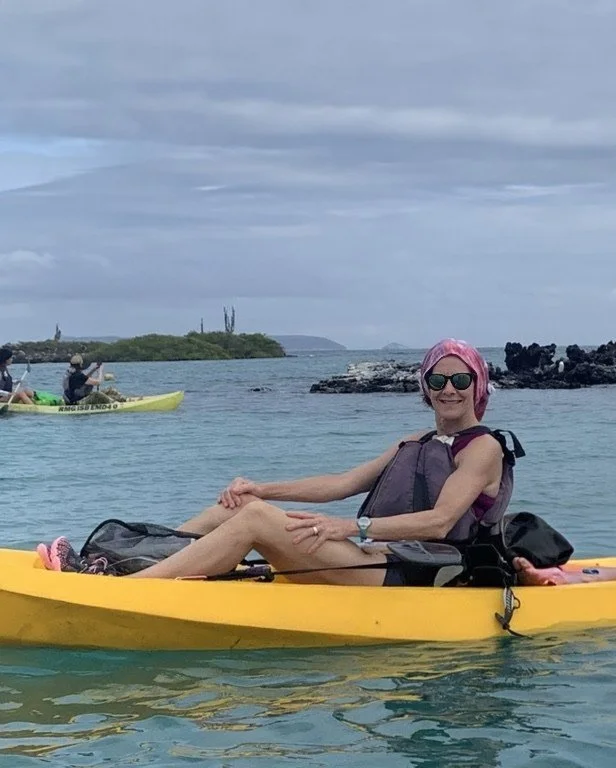
In the afternoon, we head out onto the water for a relaxed kayak in the bay. The calm, sheltered conditions offer a different perspective of the coastline, with possible sightings of sea turtles, rays, and seabirds. With a bit of luck, Galápagos penguins may also be spotted along the shoreline or near the mangroves. Meals: BLD
DAY 5: Tintoreras & Free Afternoon
This morning, we visit Tintoreras, a group of small lava islets located just off the coast of Puerto Villamil. Formed by relatively recent volcanic activity, this area is characterized by jagged black lava, calm turquoise channels, and a surprising concentration of wildlife in a compact space.
A short walk along the trails takes you past colonies of marine iguanas, often seen basking on the dark lava rocks after feeding in the ocean. The contrast between the black lava and the iguanas creates great opportunities for photography, especially in the morning light.
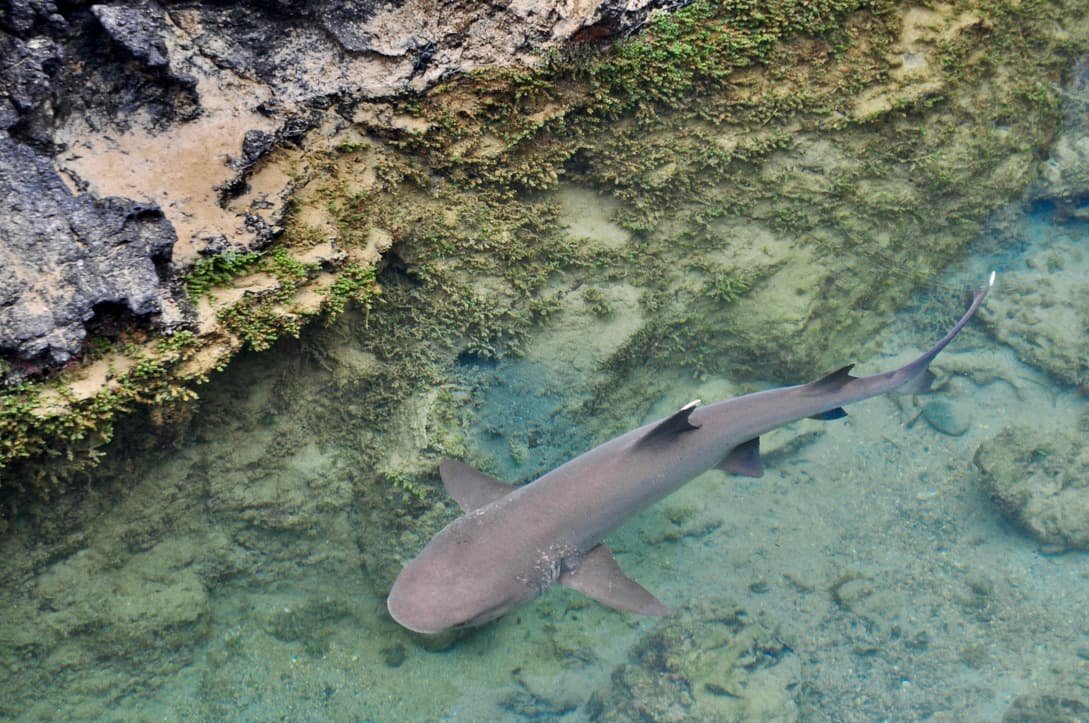
Tintoreras is also known for its narrow lava channels, where white-tip reef sharks—locally known as “tintoreras”—can sometimes be seen resting in the shallow water. During our snorkel, you may also encounter sea turtles, rays, reef fish, and occasionally sea lions. With some luck, Galápagos penguins may also be spotted along the rocky shoreline.
The calm conditions here make for a relaxed and accessible snorkel, as well as a nice balance between land and water exploration. The afternoon is free—ideal for reviewing photos, enjoying the beach, or heading back out to explore more of Puerto Villamil at your own pace. Meals: BL
DAY 6: Tuneles & Free Afternoon
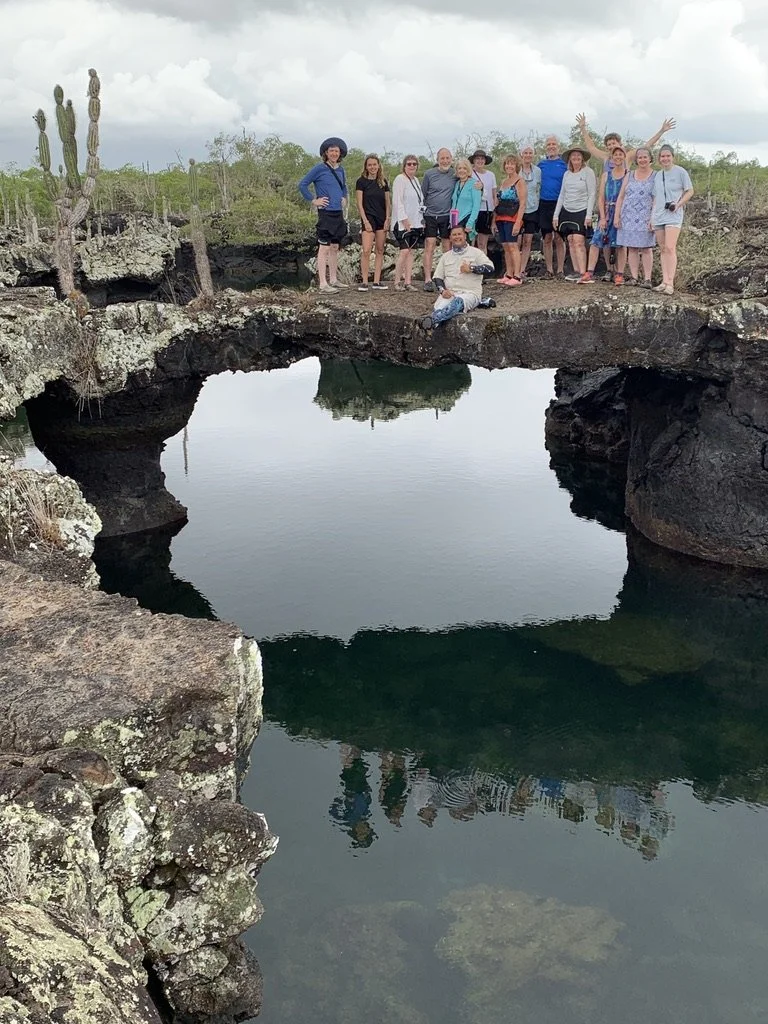
Today we visit Los Túneles (Cabo Rosa), one of the most unique and visually striking environments in the Galápagos. This area was formed when lava flows reached the ocean and cooled, creating a network of arches, tunnels, and sheltered pools both above and below the water. The result is a calm, protected marine environment that supports a wide variety of species.
As we explore by boat, you’ll navigate through these natural formations, with opportunities to observe seabirds such as blue-footed boobies often resting or nesting on the lava. The contrast between the black lava, turquoise water, and open sky makes this a particularly scenic location.
Snorkeling here is generally done in shallow, clear water, making it easier to observe marine life. You may encounter sea turtles feeding or resting, rays gliding along the sandy bottom, and a variety of reef fish. With some luck, it’s also possible to spot seahorses tucked into the reef or white-tip reef sharks resting in protected areas. The calm conditions and visibility often make this one of the more accessible and rewarding snorkel sites in the islands. We’ll return to town in the afternoon, with free time to relax, review photos, or explore further at your own pace. Meals: BL
DAY 7: Sulfur Mines & Boat Transfer to Santa Cruz
This morning, we head into the highlands of Isabela to visit the Sulfur Mines (Minas de Azufre), located on the slopes of Sierra Negra Volcano. The journey takes us through changing landscapes—from coastal vegetation to more barren, volcanic terrain. Once at the site, the environment feels quite different from the rest of the islands. Steam vents, mineral deposits, and bright yellow sulfur formations create a stark and otherworldly setting, shaped by ongoing geothermal activity.
As you walk through the area, you’ll notice the contrast between the dark lava fields, offering interesting opportunities for landscape and detail photography. While wildlife is less common here, the focus shifts to textures, patterns, and the raw geological forces that formed the islands.
After the excursion, we return to town and prepare for the boat transfer to Santa Cruz Island. The crossing takes around two hours, and along the way there may be chances to spot seabirds or passing marine life, depending on conditions. Upon arrival, we transfer to our hotel and settle in for the evening. Meals: BLD
DAY 8: Highlands Giant Tortoises & Darwin Research Station
Today we explore the Santa Cruz Highlands, a lush, green contrast to the drier coastal areas of the island. This cooler region is one of the best places to observe giant tortoises roaming freely in their natural environment. We’ll visit a highland reserve, where tortoises can often be seen feeding, resting in mud pools, or slowly moving through the vegetation. Photographing them here offers a different perspective from the breeding centers, with opportunities to capture both the animals and their habitat.
We’ll also visit nearby lava tunnels, formed by ancient volcanic flows. Walking through these underground passages gives a sense of the island’s volcanic origins and offers interesting opportunities for low-light, texture, and perspective photography.
In the afternoon, we visit the Charles Darwin Research Station, an important center for conservation and scientific work in the Galápagos. Here, you’ll learn about programs supporting giant tortoise recovery, habitat restoration, and the protection of native species. This evening, we’ll enjoy a final dinner together and reflect on the journey through the islands. Meals: BL
DAY 9: North Seymour Day Tour or Bartolomé day tour
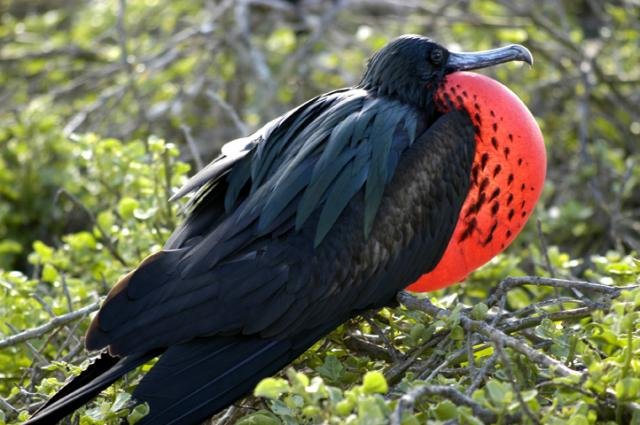
Today we visit North Seymour Island, widely regarded as one of the finest wildlife photography destinations in the Galápagos. Although relatively small, North Seymour supports one of the archipelago's largest seabird breeding colonies. Walking the island's trails, you'll have outstanding opportunities to photograph magnificent frigatebirds displaying their bright red inflatable throat pouches during courtship, as well as blue-footed boobies performing their famous mating dance.
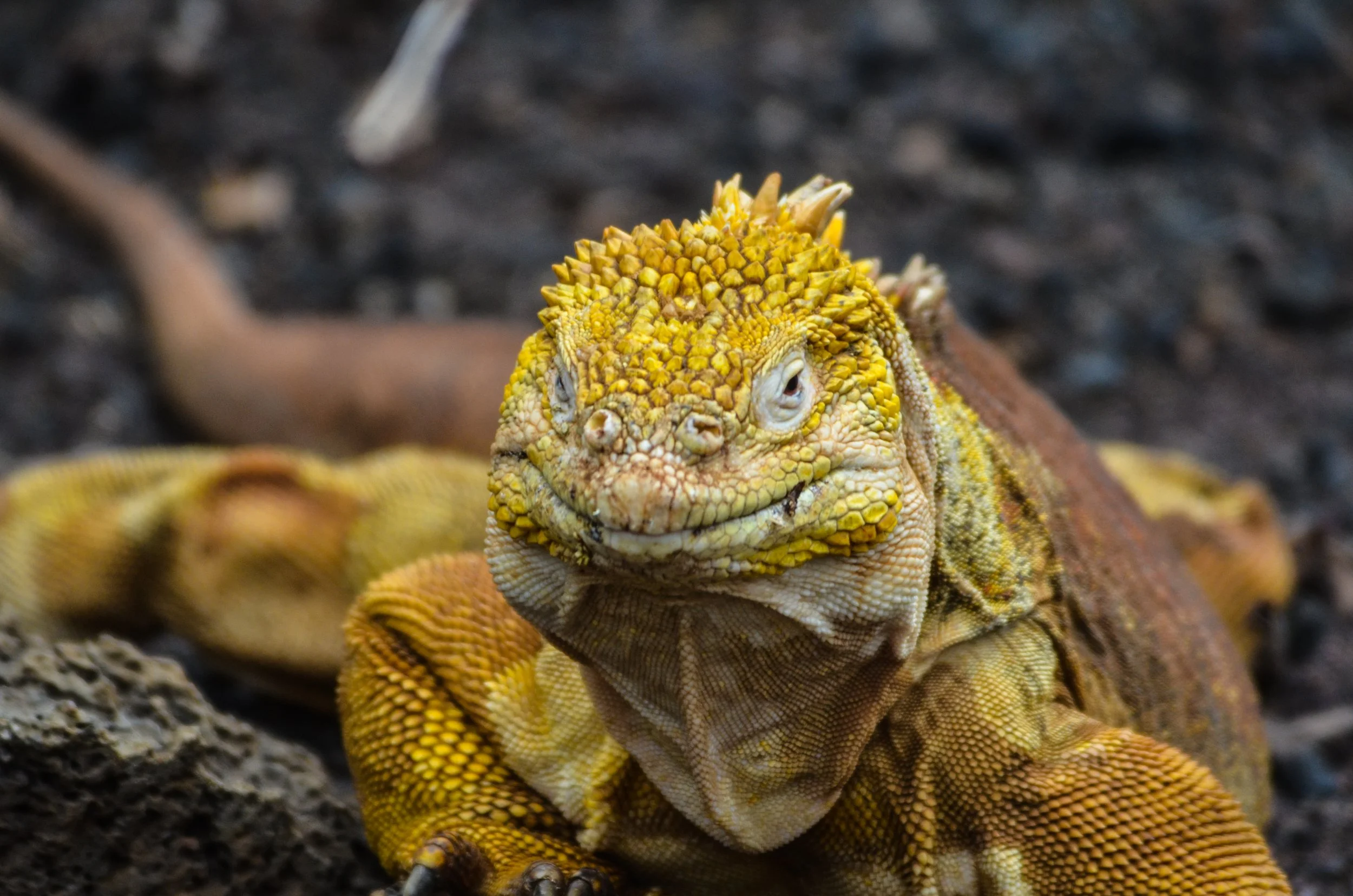
The island is also home to swallow-tailed gulls, yellow land iguanas, lava lizards and large colonies of sea lions along the shoreline. The open terrain and close proximity of wildlife make North Seymour an exceptional location for behavioural and portrait photography.
Following the land visit, weather and sea conditions permitting, there is usually an opportunity to snorkel, where you may encounter sea turtles, rays, reef fish and playful sea lions. After returning to Santa Cruz, we enjoy our farewell dinner and celebrate an unforgettable journey. Meals: BLD
*Please note if the day tour to North Seymour is not available, we will visit Bartolome Islands instead.
DAY 10: Return to Quito
This morning, we transfer to Baltra Airport for your return flight to Quito. The journey begins with a short drive across Santa Cruz Island, followed by a ferry crossing over the Itabaca Channel to reach Baltra. From there, it’s a brief transfer to the airport where your guide will assist with check-in.
As you depart the islands, this is a final chance to take in the unique landscapes that have defined your journey—from volcanic terrain to coastal ecosystems—and reflect on the wildlife encounters and moments captured along the way. Meals: B


Photography Workshop & Your Instructor

Throughout the expedition, SEE Turtles Communications Manager and conservation photographer Bethany Augliere will provide personalized photography coaching in the field, helping participants better understand animal behavior to create stronger wildlife, underwater, landscape, and conservation images. Rather than formal classroom sessions, instruction is woven into each day's adventures through hands-on guidance, creative photo challenges, and optional evening image reviews.
Bethany is an award-winning producer, conservation photographer, marine biologist, and science communicator whose work has appeared in National Geographic, National Geographic Kids, Oceanographic Magazine, Scuba Diving Magazine, Live Science, and other publications. With years of experience photographing marine wildlife, participating in research expeditions, and communicating conservation through visual storytelling, she enjoys helping photographers of all skill levels create compelling images while gaining a deeper understanding of the wildlife and ecosystems they are photographing.
Trip Notes:
Minimum recommended age is 16 years old, under 18 needs to be accompanied by an adult.
Group size is limited to 10 people, maximum and at least 8 people need to register to confirm the trip.
We give full refunds if we need to cancel a trip. If you cancel, your fees can be applied to a future trip, except within 60 days of departure when payments to local providers are already made. See our full terms and conditions.
Payments can be paid monthly or in two bulk payments. Final payments are due 60 days before departure.
Travel insurance is required by our local partner for every participant. We can provide recommendations but any service can be used.
Is This Trip Right For Me?
This will be an active trip that requires good physical fitness including hiking and snorkeling. The Galapagos is a safe destination, receiving more than 200,000 visitors per year. We will be staying at mid-level hotels on the island. Be prepared for a lot of time in and on the water, snorkeling with wild animals including white tipped reef sharks, a docile shark that is not aggressive. The trip includes two uphill walks that require some physical exertion though the pace can be slow with interpretation along the way. All activities are optional for the group.
OTHER TURTLE CONSERVATION TRIPS
Explore all SEE Turtles conservation trips and find the experience that’s right for you.