Magdalena Bay
This area comprises the largest wetland ecosystem on the west coast of the Baja California Peninsula and is considered one of the most important in North America. The Bay provides a vital calving area for the Pacific Gray Whale, and feeding grounds for several species of endangered marine turtles.
The area contains mangrove forests, barrier beaches and sand dune islands, contributing to the incredible scenery, and diverse biological makeup of the zone. The Bay harbors the continent’s northernmost breeding colony of magnificent frigate, the southernmost breeding site for threatened bald eagles, a large nesting colony of the endangered California brown pelican, and one of the largest California sea lion colonies on the Pacific coast of the peninsula.
Magdalena Baykeepers
Unfortunately, this Bay faces a host of threats including urban and industrial pollution, poaching and overfishing, and destruction of habitat from unsustainable tourism development. To combat these threats and involve the local community in the Bay’s protection, in 2005 Julio Solis founded Magdalena Baykeeper, part of the International Waterkeeper Alliance.
This award-winning group has had tremendous success in protecting the Bay, including preventing a large-scale tourism development by rallying local residents. The group also works to study and protect endangered wildlife, monitor water quality and the health of local mangroves, promote ecotourism, and to develop a culture of stewardship in local communities through outreach and education.
Sea Turtle Monitoring
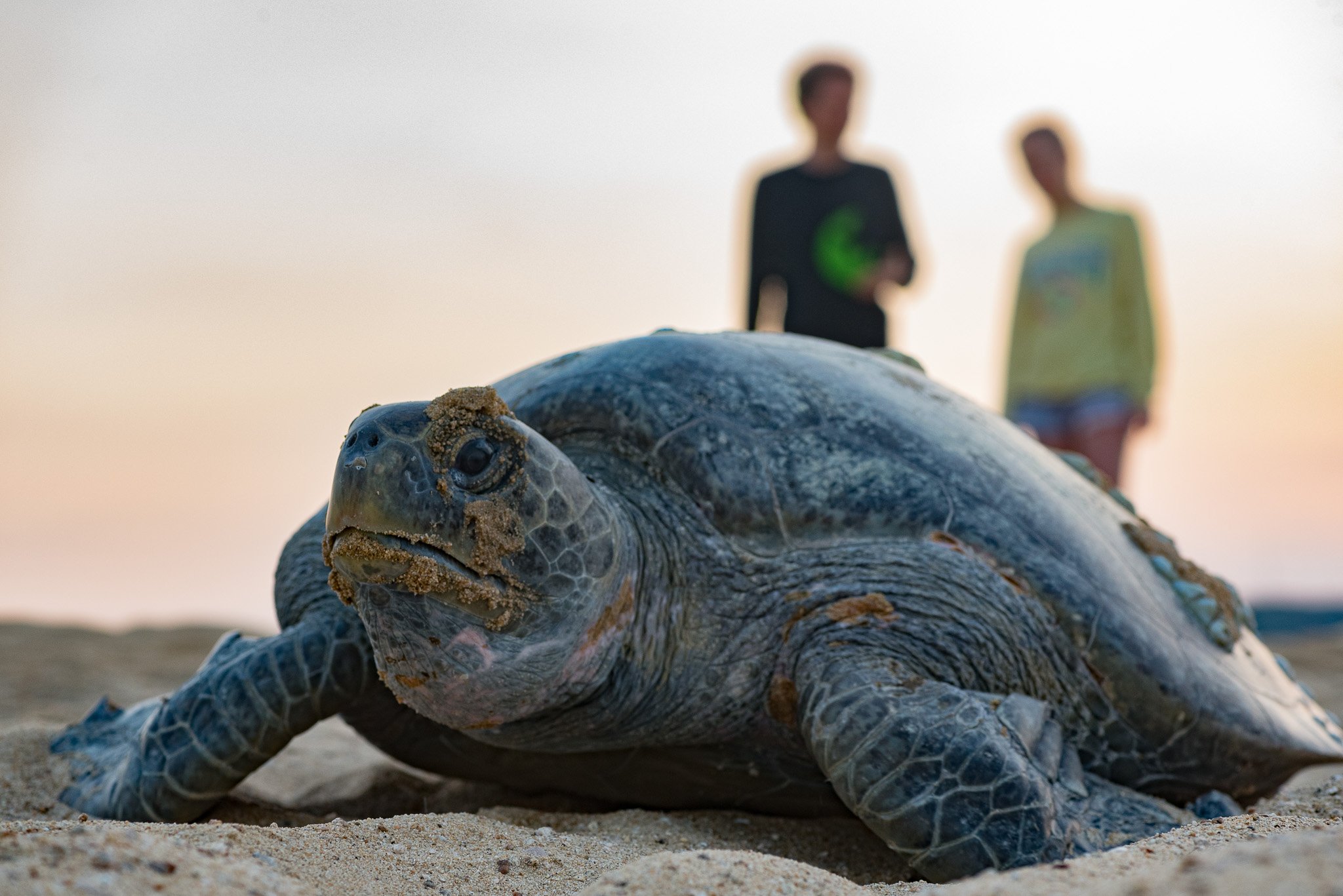
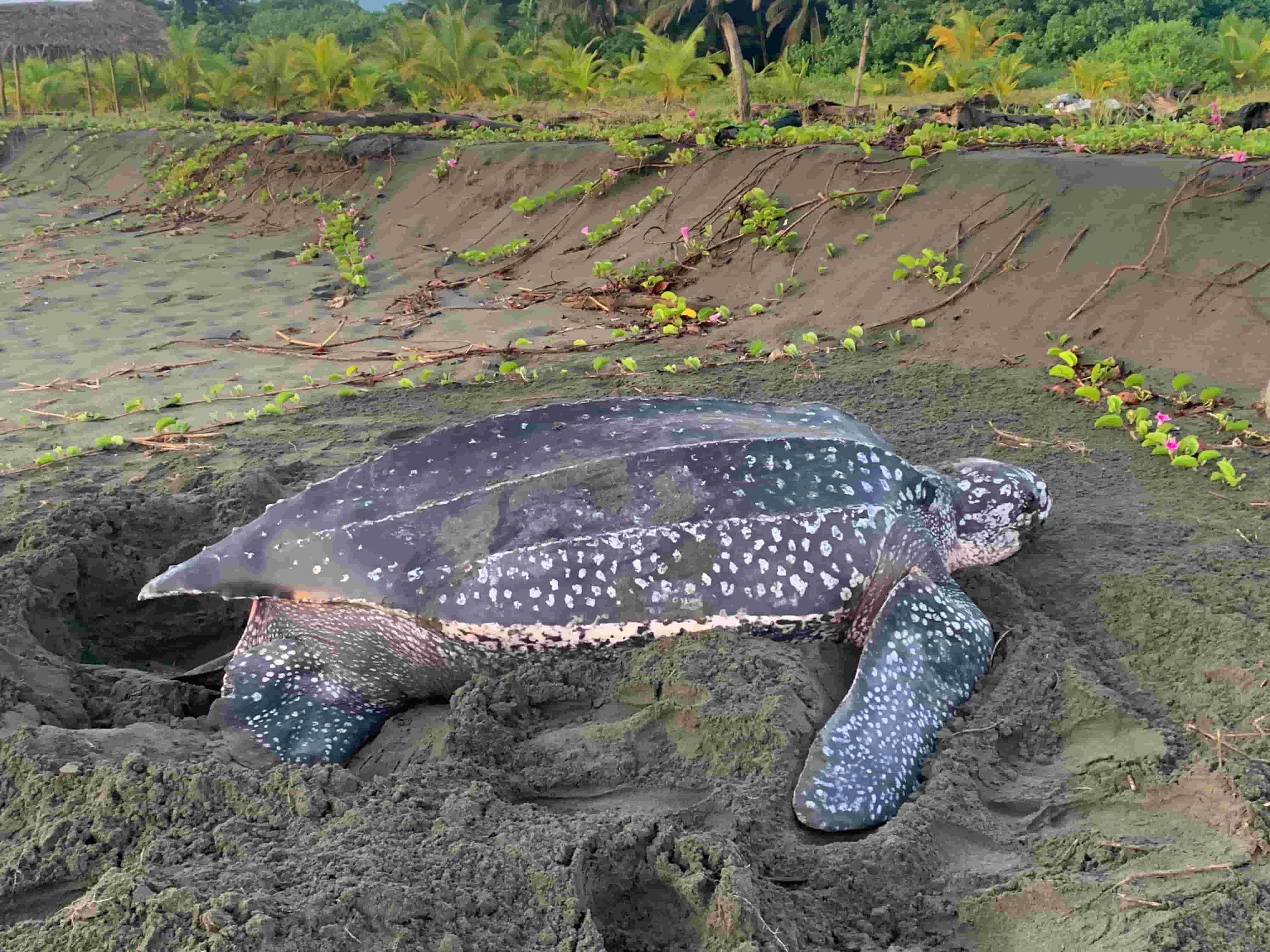
For the past ten years, researchers including the Baykeepers have been studying the green (also known as “Pacific black”) and loggerhead turtles that live in the Bay. Once a month during slack tide, local residents, part of the Grupo Tortuguero network, set up camp on a remote island and set nets to catch the turtles.
This research is critical to conservation and research efforts by monitoring their movement, health and populations numbers. Once the turtles are caught, researchers collect data on their size, weight, and health before returning them to sea. The data provides important information to researchers, and helps to support protection of these waters as vital foraging grounds. Perhaps more importantly though, involving local community members in the monitoring creates a connection between local residents and their natural surroundings.
The results of one turtle studied a decade ago has made ripples around the world. Adelita, a loggerhead that became the first animal tracked across an entire ocean, became famous for her long journey.
Check out our videos and slideshows here.
Links & Articles:
Conde Nast Environmental Awards (2008)
Whales Tails: Organic chips that support ocean causes
Go World Travel: Whale Watching Article