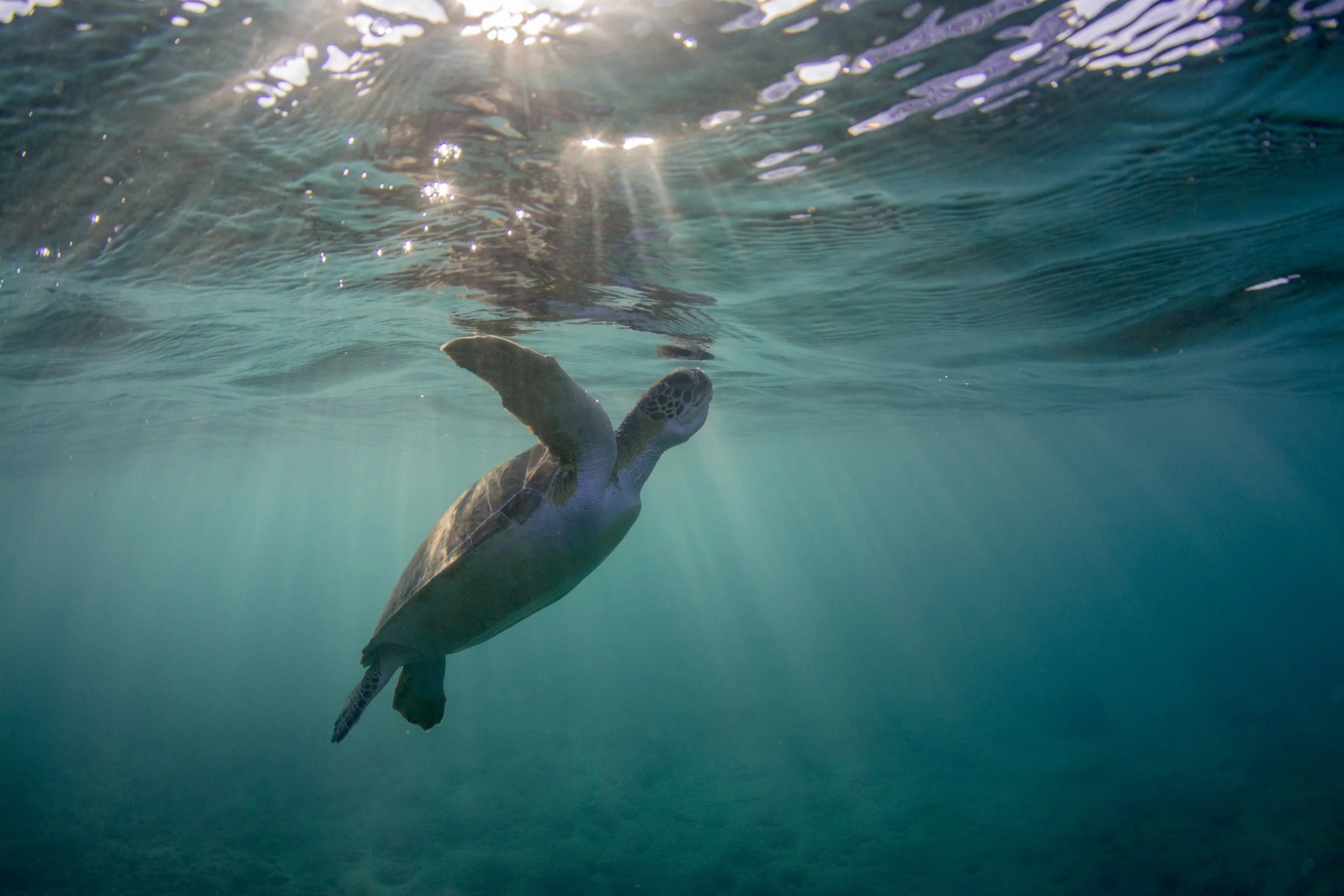
Sea turtle conservation takes years of consistent work. For example, in 2025, after decades of conservation efforts, green sea turtles were globally downlisted from endangered to least concern. From protecting nesting beaches against illegal hunting and egg collecting, and cleaning up plastic, to helping fishers reduce accidental turtle captures, local organizations play an essential role in protecting sea turtles and the habitats they depend on.
But when funding becomes uncertain, years of progress can be threatened, scaled back, or even brought to a halt.
The U.S. Fish & Wildlife Service's (USFWS) Marine Turtle Conservation Fund has provided millions of dollars for dozens of important conservation projects around the world over the past two decades. The sudden and inexplicable ending of those grants by the current administration since January 2025 have created crises and uncertainty for organizations that depend on these resources.
To help address these gaps, SEE Turtles worked with some of our longtime foundation supporters to provide emergency funding and support to conservation partners working in three key areas: wildlife trade, fisheries bycatch, and nesting beach protection.
“The ending of US government funding for sea turtle and other wildlife conservation and aid programs has had a huge impact on decades-long efforts to recover these critical species. With no explanation, the Trump Administration cut off funding that was already allocated by Congress, causing deep damage to these programs. SEE Turtles felt a need to step up to help keep these programs going despite this crushing decision” says Brad Nahill, SEE Turtles President & Co-Founder.
When Conservation Funding Is at Risk
For the USFWS Marine Turtle Conservation Fund, GrantsJunction reports that federal funding went from about $3.22 million in 2024 to $1.1 million in 2025, a drop of roughly 66%. While these numbers don't show exactly which projects lost funding or had grants delayed or canceled, they do show that much less money went out through the program in 2025.
When the federal cuts and freezes happened in early 2025, SEE Turtles lost U.S. government funding, including a three-year, $240,000 grant aimed at addressing the tortoiseshell trade for critically endangered hawksbill sea turtles.
As a result, we had to drastically scale back our Too Rare To Wear program. But thanks to generous emergency support provided by some of our long-term donors, we could weather the storm without cutting staff or core programs. We also stepped in to find funds for several of our partners who also lost funding, providing critical support that kept many of their projects from shutting down.
Foundations Step Up to Support Conservation Partners
In the aftermath of the funding freeze, SEE Turtles reached out to our past supporters to help fill that huge gap. Three foundations stepped up, The Bently Foundation, The Hollomon Price Foundation, and the Berman Memorial Fund. The biggest source of emergency support came from the Bently Foundation. First the foundation provided a $20,000 grant so that we could maintain our funding for local partners Fundacion Tortugas del Mar and the Leatherback Project through Too Rare To Wear. In addition, the foundation helped fund five conservation projects across four countries, supporting work in three key areas: combating wildlife trade, protecting important nesting beaches, and reducing sea turtle bycatch in fisheries. Hollomon Price Foundation funded a long-term partner working on nesting in Mexico and the Berman Fund supported work on fisheries in Trinidad.
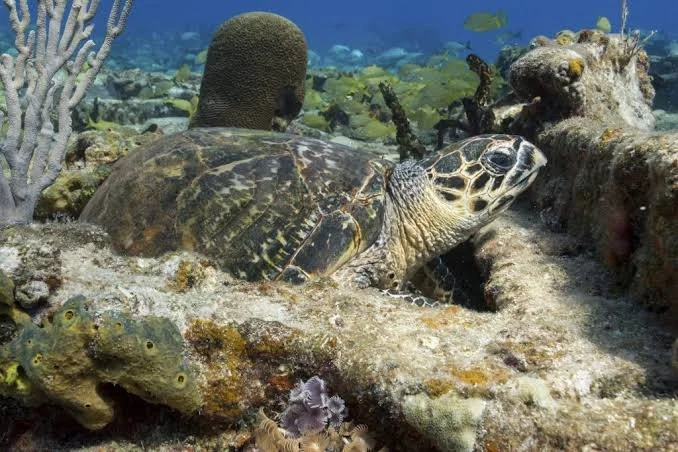
Hawksbill sea turtle in the Bahamas. © Bethany Augliere/ SEE Turtles communications manager
Here's a look at what these emergency grants made possible:
Fighting the Illegal Tortoiseshell Trade in Colombia and Panama

Photo: Hal Brindley @TravelForWildlife.com
Hawksbills are listed as critically endangered by the IUCN. The illegal trade in their shell products, commonly called tortoiseshell, remains a serious threat to their survival. Despite international protections, hawksbill shells are still used in jewelry, souvenirs and other products sold to tourists and local consumers. SEE Turtles’ Too Rare To Wear program works with local partners Fundación Tortugas del Mar in Colombia and The Leatherback Project in Panama to combat the illegal tortoiseshell trade. Their work includes monitoring souvenir shops and discouraging sales, educating consumers, training military and law enforcement officials to identify illegal products, and working with local communities to reduce the use of hawksbill shells.
The lack of awareness of the origin of these products and the ability to quickly and accurately identify them are issues for both consumers and law enforcement. With support from the Bently Foundation, the project aimed to train at least 400 government and law enforcement officials to identify tortoiseshell products and enforce wildlife protection laws, expand Colombia’s Turtle Safe Shop network, and raise public awareness through workshops, media coverage and social media campaigns.
Fisheries Bycatch in Trinidad & Tobago and Mexico
The fisheries projects work directly with local fishing communities to reduce sea turtle injuries and death from fishing gear. Northeast Trinidad is both home to the largest remaining leatherback nesting population in the Northwest Atlantic and the area of highest documented leatherback bycatch in the world. The grants funded fishing gear packages for 10 fishers who participated in a trolling training program, new nets for illumination trials (testing nets with lights to see if they can help reduce how often leatherback turtles get caught in fishing nets and how seriously they are injured), coordination support for local partners Future Fishers, and Ecolibrium’s fieldwork labor and lodging costs.
An additional $4,000 supported the Laúd OPO Network, a regional network of more than 150 members across 12 countries working to protect leatherbacks in the Eastern Pacific. The funding supported network coordination and communications, a small grants program, and its Heroes Program recognizing local conservation efforts.
In Mexico, MARES Comunidad, led by Grupo Tortuguero de las Californias, works with 17 fishing communities along the Pacific coast to reduce sea turtle bycatch and promote sustainable fishing practices. The project trained leaders from 16 monitoring groups to document and respond to stranded turtles, while 22 fishers received training in safely handling and releasing hooked or entangled turtles, along with 20 dehookers. The project also explores more selective fishing gear and community-led approaches, such as fishing refuges and artificial reefs, to support healthier fisheries and local livelihoods.
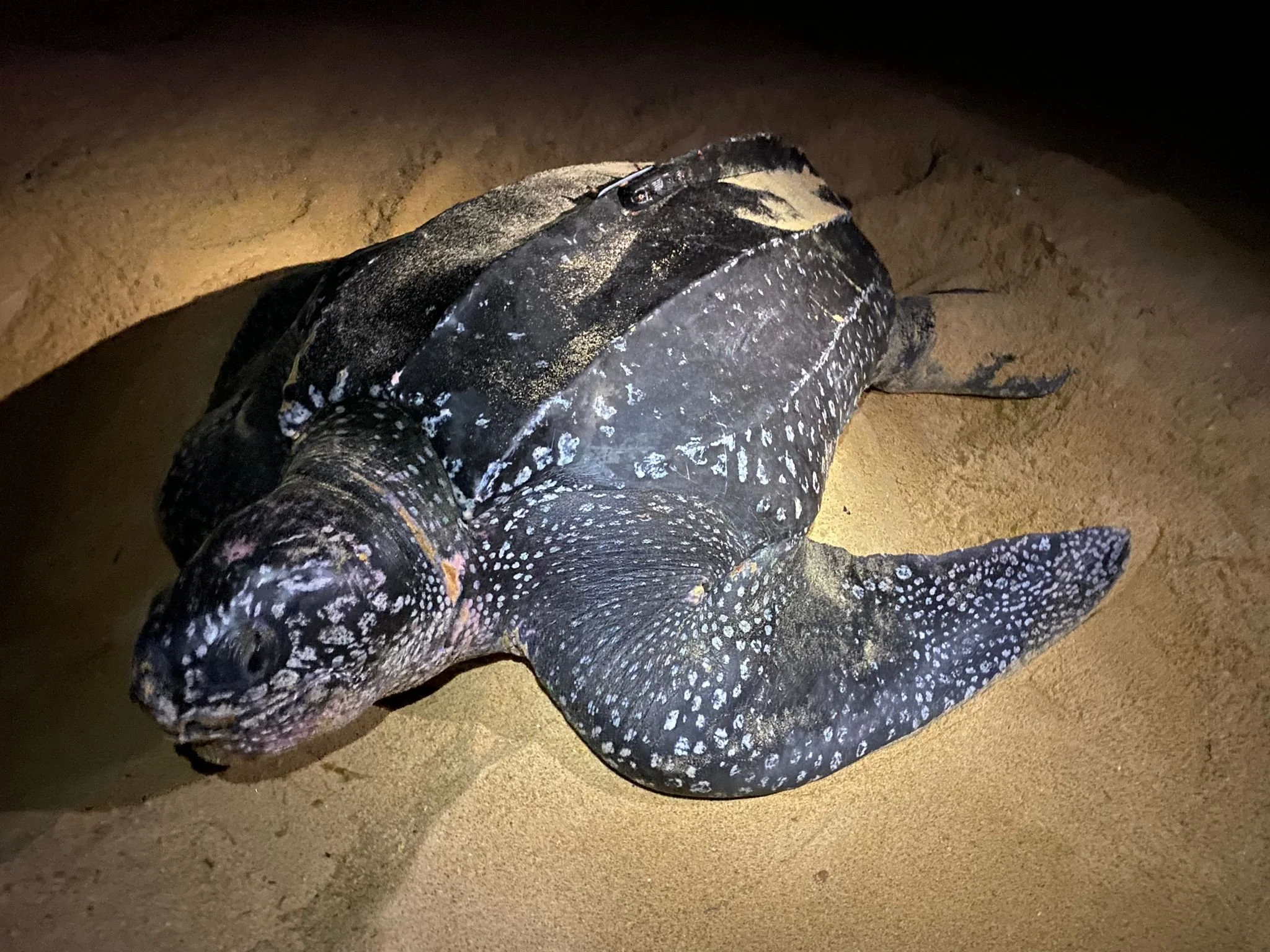
Leatherback in Ghana. © WHRO Ghana
Protecting Nesting Beaches
These supporters also provided funding for important turtle nesting beaches in several countries. Our Billion Baby Turtles program has supported these programs for years but the Fish & Wildlife funding has provided their primary funding. The nesting beach projects in Ghana, Mexico, and Panama supported local teams working to monitor nesting activity, protect eggs and help more hatchlings reach the ocean.
In Mexico, funding supported patrols at four key nesting beaches in a stronghold for the Eastern Pacific leatherback, whose population has declined by more than 90% in recent decades. During the 2025–2026 season, teams recorded 1,104 leatherback nests, estimated to produce 38,454 hatchlings—the highest total in 12 years—along with 2,975 olive ridley nests and 354 green turtle nests!
Thanks to the support of the Hollomon Price Foundation, we were able to provide a grant of $10,000 to our partner ProNatura Yucatan in Mexico to replace funds lost from a canceled grant from the US Fish & Wildlife Service. The Yucatan Peninsula is one of the most important areas in the world for the critically endangered hawksbill turtle and ProNatura protects some of the largest beaches in the region. A total of 8,168 sea turtle nests were recorded across the three nesting sites, comprising 5,094 green turtle nests, 3,074 hawksbill nests, two leatherback nests, and one loggerhead nest.
In Panama, the Sea Turtle Conservancy protected some of the world’s most important hawksbill and leatherback nesting sites, located in Bastimentos National Park, in northeastern Panama. Additionally, funds were used for an expanded hatchery to help prevent illegal egg collecting and collaboration with the government to arrange beach patrols. Soropta Beach recorded 1,272 leatherback nests in 2025. In Ghana, SEE Turtles’ partner, Wildlife and Human Resources Organisation (WHRO), worked with community members to patrol 4.9 kilometers of coastline, monitor nests, and protect turtles from poaching and other threats. Their work helped protect 113 nests and release 4,484 hatchlings.
Looking Ahead: The Future of Conservation Funding
While Congress provided nearly $3 million for the Marine Turtle Conservation Fund in 2026, the future of the program remains uncertain. While the funds have been appropriated and could be sent today, the agency’s leadership has now allowed the funding to be sent to the grantees. The administration's proposed 2027 budget requested no funding for the broader Multinational Species Conservation Fund, which includes the marine turtle program. This is even though the program is not funded by US taxpayers, the funding comes from the sale of stamps from the US Postal Service.
“The emergency funding from SEE Turtles and their supporters for our fisheries work in Trinidad came at a critical time. This support is helping us address one of the biggest issues for leatherback turtles in the Atlantic population.” - Dr Bryan Wallace, Ecolibrirum
Regardless of what happens with federal funding, sea turtle conservation cannot afford to stop and start. Continued support from foundations, individual donors. and other partners will be essential to keeping this work moving and protecting the progress made over decades.