Turning Plastic Waste Into Conservation in Mexico
Along Mexico’s Guerrero coast, communities working to protect three species of sea turtles — the olive ridley, leatherback, and green turtle — are also dealing with another big problem: plastic pollution.
For years, local conservation groups have been collecting plastic from beaches where sea turtles come ashore to nest. But picking up the plastic is only part of the problem. Getting it from these remote coastal communities to a recycling facility can be expensive, difficult, and sometimes just not possible. Now, SEE Turtles is helping to change that!
Through our Sea Turtles & Plastic program, SEE Turtles has awarded $20,000 to Grupo Tortuguero de las Californias for a multi-year, multi-community recycling project in Guerrero. The project supports four community conservation groups working in Punta Maldonado, Playa Ventura, Barra de Tecoanapa, and Acapulco, all important areas for turtle nesting, some of them including Pacific leatherbacks. Leatherbacks nesting on the Pacific coast are one of the most endangered populations of sea turtles worldwide, so reducing threats to their life cycle is especially important.
These groups have already been collecting and storing plastic from their beaches. The problem was getting that plastic to a recycling facility because of the cost. Recycling centers in Guerrero typically pay about $0.25 per kilogram for collected plastic. Shredded plastic can be worth around $0.40 per kilogram, although prices vary. But SEE Turtles and Grupo Tortuguero could not find a recycling center able to pick up the plastic directly from the communities where it was being stored.
An estimated 4 to 6 tons of plastic was sitting in storage across the four communities. If that plastic was shredded, it could be worth around $2,000 and would also be much cheaper to transport by truck. That means less fuel used and fewer carbon emissions from transportation.
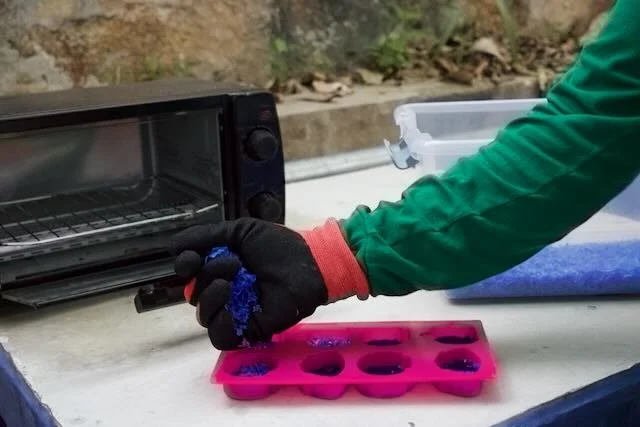
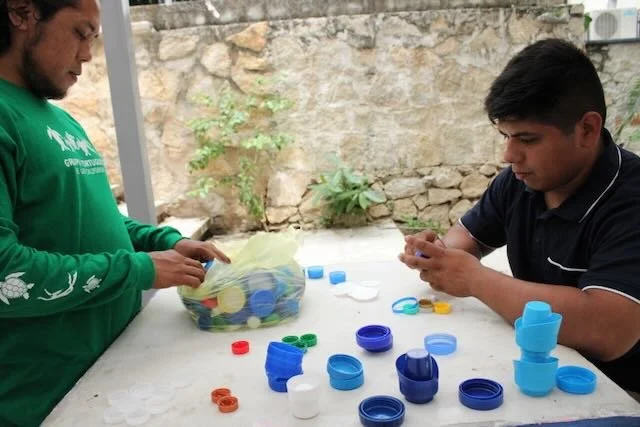
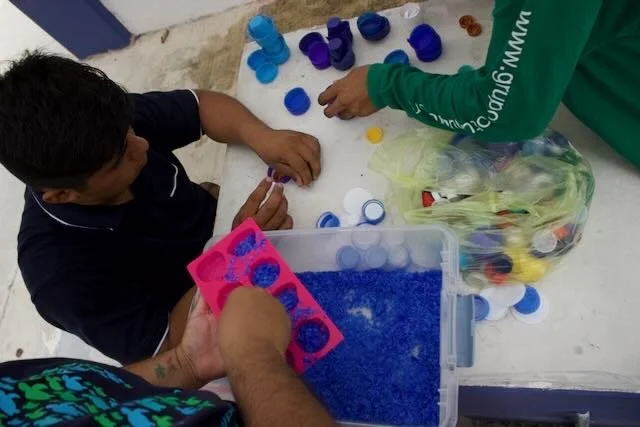
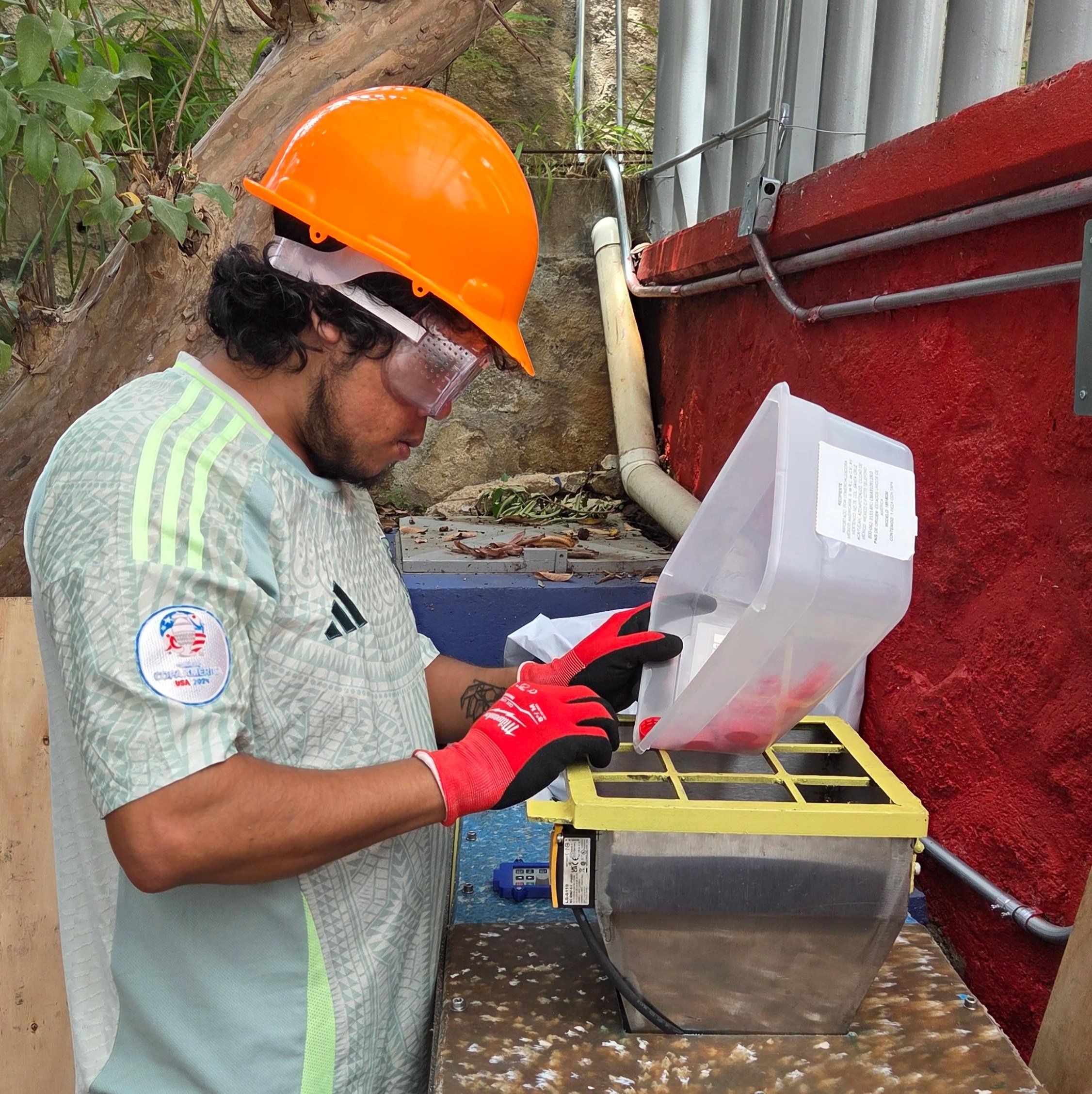
That’s where the SEE Turtles grant comes in. Phase 1 included preparing a space at the Centro de Ciencias de Desarrollo Regional en Acapulco de la Universidad Autónoma de Guerrero. The group purchased a plastic shredder and trained staff and participants to operate and maintain it. This advance sets up the next phases of the project, which will focus on creating a more organized collection and processing system and, eventually, turning some of the recycled plastic into products and crafts. At the same time, the project will document the actual operating costs to determine what is needed to maintain the process as a circular economy initiative.
In Guerrero, the hope is simple: that these new shredders will help turn a problem that communities have been dealing with for years into an opportunity, including cleaner nesting beaches, less plastic entering the ocean, and more resources staying in the communities doing the conservation work.
We’re grateful to the support of the Footprints Fund of World Nomads and BeCause Tees for helping make this grant possible and supporting conservation.